Bio-LNG Availability Expands at Key Bunkering Hubs | Mariner News
The global maritime industry is charting a course towards a more sustainable future, and the increasing availability of Bio-LNG at pivotal bunkering hubs is marking a significant milestone in this journey. Peninsula, a prominent global marine fuel supplier and trading firm, has recently underscored the expanding accessibility of Bio-LNG, presenting it as a compelling and practical pathway for LNG-fuelled ships to substantially reduce their carbon emissions. This development arrives at a critical juncture as ship operators worldwide grapple with stringent environmental regulations and mounting pressure to decarbonize their fleets.
Bio-LNG, or liquefied biomethane, is a renewable energy source derived from certified waste-based feedstocks, such as agricultural waste, municipal waste, and industrial organic waste. Unlike conventional fossil-based marine fuels, Bio-LNG boasts an impressive lifecycle greenhouse gas (GHG) emissions reduction potential of up to 90 percent. This dramatic decrease positions Bio-LNG as one of the most effective immediately available low-carbon options for the shipping sector. Its production process captures methane that would otherwise be released into the atmosphere, contributing to a circular economy model that reuses waste products to create valuable, clean energy. This innovation is not merely about compliance; it represents a commitment to genuine environmental stewardship within an industry vital to global trade.
The Dawn of Sustainable Marine Fuels: Bio-LNG’s Ascent
The maritime sector faces immense pressure to achieve ambitious decarbonization targets set by international bodies like the International Maritime Organization (IMO). With targets to cut annual GHG emissions by at least 50% by 2050 compared to 2008 levels, and more recent discussions aiming for net-zero, the search for viable and scalable alternative marine fuels has intensified. Bio-LNG emerges as a frontrunner due to its unique characteristics: it is a ‘drop-in’ fuel, meaning it can be handled through existing LNG bunkering infrastructure and utilized in LNG dual-fuel engines without requiring major vessel modifications. This inherent compatibility greatly simplifies the transition process for shipowners already invested in LNG propulsion technology, making it an economically attractive and operationally efficient choice for sustainable shipping.
Beyond its environmental credentials, Bio-LNG offers significant operational advantages. The established safety protocols and operational procedures for handling LNG are directly applicable to Bio-LNG, reducing the learning curve and mitigating risks associated with adopting entirely new fuel types. This seamless integration allows for immediate emissions reductions without disrupting current logistics or necessitating extensive retrofits, a critical factor for an industry where operational continuity is paramount. The increasing demand for sustainable fuel solutions has spurred investment in Bio-LNG production capacity and supply chain infrastructure, further cementing its role as a key player in the green maritime transition.
Peninsula Driving Bio-LNG Bunkering Expansion and Accessibility
Peninsula, a recognized leader in the global marine fuel supply market, is at the forefront of this shift, actively working to enhance Bio-LNG availability across key bunkering locations. Their strategic efforts underscore a proactive approach to supporting the shipping industry’s decarbonization journey. By expanding their Bio-LNG supply operations, Peninsula is directly addressing one of the primary hurdles to wider adoption: consistent and reliable access to the fuel at major maritime hubs. This commitment is vital for building confidence among shipowners and operators who require assurance of supply before committing to new fuel strategies. The company’s emphasis on growing accessibility helps transform ambitious decarbonization goals into tangible operational realities for their clients.
Cristina Danes, LNG Supply Trader at Peninsula, articulated the pragmatic appeal of Bio-LNG, stating, “As operators look to balance compliance, cost and operational performance, Bio-LNG offers a practical solution that can be integrated into existing LNG infrastructure today. Increasing availability across key bunkering locations is helping turn decarbonisation ambitions into operational reality.” This statement highlights the triple benefit Bio-LNG offers: meeting environmental regulations, managing fuel costs, and ensuring smooth operations. Peninsula’s role extends beyond mere supply; they are actively shaping the future of marine energy by advocating for and facilitating the adoption of cleaner, more sustainable fuel options.
Recent supply operations serve as concrete evidence of Bio-LNG’s expanding reach. For instance, Peninsula successfully carried out its first Bio-LNG delivery at the Port of Cadiz, supplying a significant quantity of the eco-friendly marine fuel. Such operations are not isolated incidents but rather part of a broader strategy to establish robust Bio-LNG supply chains across critical maritime corridors. These pioneering efforts at bunkering locations like Cadiz demonstrate the operational feasibility and growing market readiness for Bio-LNG, paving the way for more widespread adoption by the global fleet. The expansion of these services across major ports signals a strong industry move towards embracing alternative fuels.
Unlocking Decarbonization: The Practical Advantages of Bio-LNG
The practicality of Bio-LNG as a lower-carbon option cannot be overstated. Its ability to seamlessly integrate into existing LNG bunkering infrastructure means that shipowners do not need to incur significant capital expenditures for new fuel storage, handling, or propulsion systems. This makes it an economically sound investment for ships already equipped with LNG dual-fuel engines, allowing them to immediately reduce their carbon footprint without complex and costly overhauls. The operational flexibility provided by Bio-LNG ensures that vessels can continue their regular routes and schedules, contributing to sustainability targets without compromising efficiency or operational performance.
Furthermore, the economic viability of Bio-LNG is bolstered by its potential to help operators navigate an increasingly complex regulatory landscape. With carbon pricing mechanisms, such as the EU Emissions Trading System (EU ETS), coming into play, vessels burning cleaner fuels like Bio-LNG can benefit from reduced compliance costs or even generate carbon credits. This provides a powerful financial incentive, aligning environmental responsibility with sound business practices. As the maritime industry continues its energy transition, the cost-effectiveness and regulatory advantages of Bio-LNG make it an attractive choice for those seeking both environmental leadership and economic resilience.
The global demand for sustainable shipping practices is not a fleeting trend but a fundamental shift. Bio-LNG offers a credible solution for companies aiming to enhance their environmental, social, and governance (ESG) credentials. By adopting Bio-LNG, shipping companies can demonstrate their commitment to reducing their ecological impact, appealing to environmentally conscious cargo owners and consumers. This focus on green maritime solutions also positions them favorably in a market increasingly prioritizing sustainability and corporate responsibility. The ability to use certified waste-based feedstocks further enhances its sustainable appeal, ensuring a responsible approach to fuel production.
Navigating the Future of Green Shipping: Global Perspectives and Market Trends
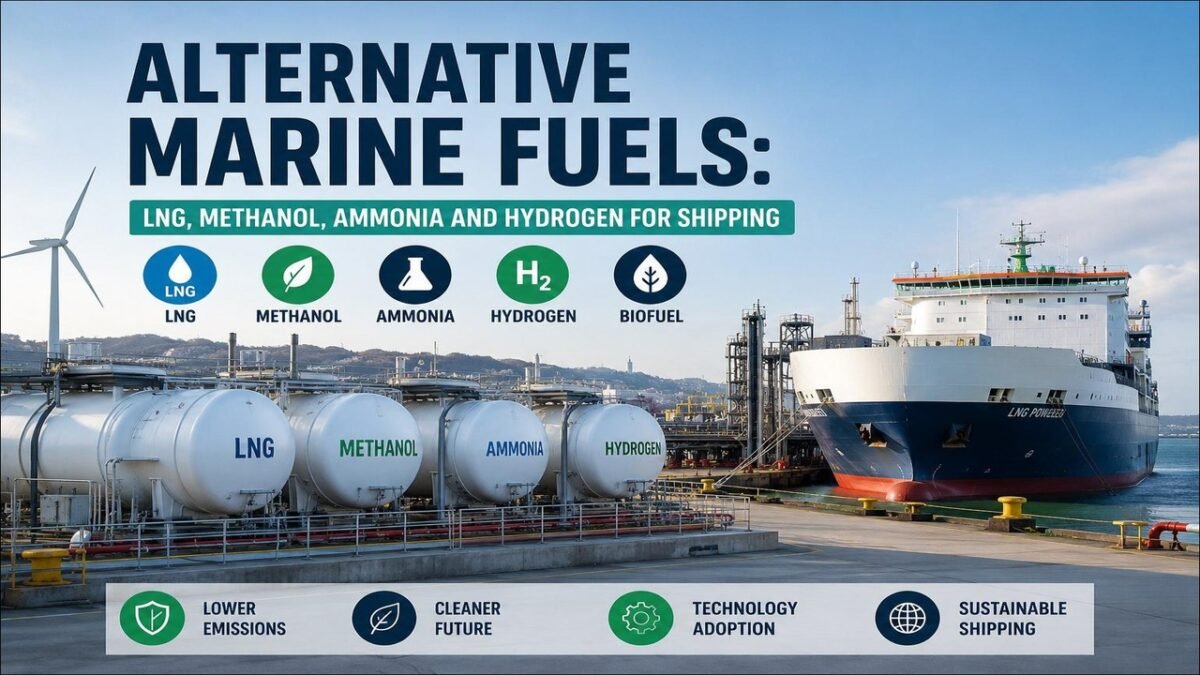
The broader landscape of green shipping is evolving rapidly, with various alternative marine fuels such as ammonia, methanol, and hydrogen vying for market share. While these emerging fuels hold long-term promise, many require significant technological advancements and entirely new bunkering infrastructure. Bio-LNG, by contrast, offers an immediate and proven solution for decarbonization, bridging the gap between current operational capabilities and future net-zero ambitions. Its ready availability and compatibility with existing LNG assets make it a crucial component of a multi-fuel strategy for the industry’s energy transition.
Market trends indicate a growing appetite for Bio-LNG, driven by regulatory mandates, corporate sustainability targets, and technological maturity. Investments in Bio-LNG production facilities are increasing globally, spurred by policy support and incentives aimed at promoting renewable energy sources. This surge in production capacity, coupled with expanded bunkering networks, ensures a more stable and accessible supply for the maritime sector. The collaborative efforts between fuel suppliers, ports, and shipowners are instrumental in accelerating the adoption of this clean energy solution.
The strategic importance of Bio-LNG extends beyond individual vessel emissions. It plays a pivotal role in the wider circular economy, transforming waste into valuable energy and reducing overall environmental impact. As global supply chains become more interconnected and complex, the reliability of green fuel options like Bio-LNG is paramount. Its increasing presence at key bunkering hubs facilitates smoother operations for vessels traversing international waters, ensuring that sustainable choices are not limited by geographical constraints. The future of maritime transport will undoubtedly involve a diverse mix of low-carbon fuels, and Bio-LNG is firmly positioned as a foundational element in this evolving energy landscape.
In conclusion, the growing availability of Bio-LNG at key bunkering hubs, championed by industry leaders like Peninsula, represents a significant leap forward for sustainable shipping. As a practical, immediately available, and highly effective lower-carbon fuel option, Bio-LNG provides a tangible pathway for the maritime industry to meet its ambitious decarbonization goals. By leveraging existing infrastructure and delivering substantial emissions reductions, Bio-LNG is not just an alternative fuel; it is a critical enabler for a greener, more sustainable future for global trade and marine transport.