Rhine Low Water Levels Force Cargo Ships to Lighten Loads | Mariner News
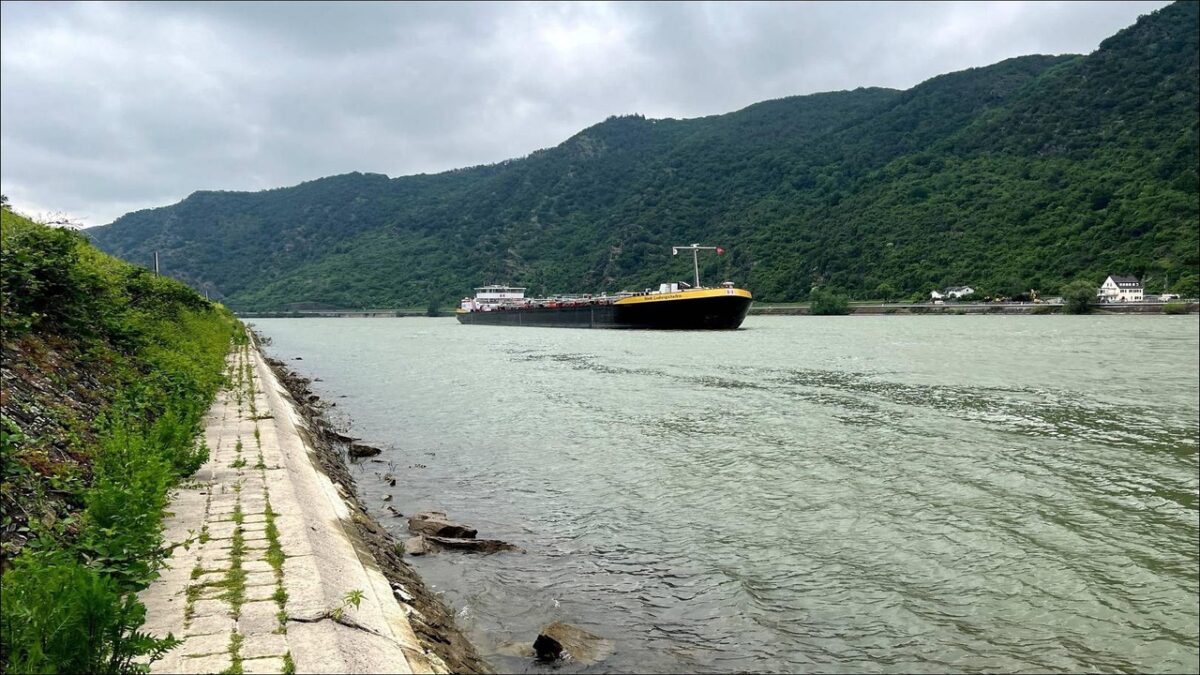
The mighty Rhine River, a crucial artery for European trade, is currently grappling with severely low water levels. This environmental challenge is not merely a scenic observation; it’s a significant operational hurdle forcing cargo ships to lighten loads, thereby instigating a ripple effect across the continent’s intricate supply chains. The direct consequence of these unprecedented Rhine low water levels is a substantial increase in freight rates for goods transported by ship, presenting a formidable test for logistics providers, manufacturers, and consumers alike.
As a vital conduit connecting industrial heartlands to seaports, the Rhine’s capacity directly influences the cost and efficiency of moving essential commodities, raw materials, and finished products throughout central Europe. The necessity for vessels to reduce their cargo weight means fewer goods can be moved per trip, escalating both operational costs and environmental footprints, while simultaneously putting immense pressure on an already strained global supply chain network. This critical situation is demanding immediate attention from the maritime industry and governmental bodies, highlighting the vulnerability of key trade routes to natural phenomena.
The Rhine’s Indispensable Role in European Logistics
For centuries, the Rhine River has served as the backbone of European inland navigation, acting as a critical corridor for trade and industrial supply. Stretching over 1,230 kilometers from the Swiss Alps through Germany and the Netherlands to the North Sea, this historic waterway facilitates the movement of vast quantities of goods, including coal, oil, chemicals, grains, construction materials, and even containerized cargo. It connects major industrial centers like Rotterdam, Duisburg, and Mannheim, linking them to key manufacturing hubs deep within the continent. The economic vitality of nations such as Germany, France, Switzerland, and the Netherlands is intrinsically tied to the reliable flow of commercial traffic on the Rhine.
Its efficiency and cost-effectiveness as a transport mode are unparalleled for bulk commodities and heavy goods, making it an indispensable component of the continent’s infrastructure. Any disruption to Rhine River shipping therefore sends tremors throughout the entire European economic system, impacting production schedules, inventory management, and ultimately, consumer prices. The waterway’s unique geographical position makes it an irreplaceable link in cross-border trade, serving as a natural highway for goods that would otherwise need to be transported by less efficient or more expensive means like rail or road. This deeply embedded reliance means that challenges on the Rhine quickly translate into continental economic challenges.
Direct Impact on Cargo Operations and Escalating Freight Rates
The current spell of low water levels on the Rhine is creating severe operational constraints for the shipping industry. As river depths diminish, cargo vessels, particularly larger bulk carriers and tankers, are compelled to significantly reduce their load capacity to prevent grounding and ensure safe passage. This process, known as “lightening loads,” means that ships can carry only a fraction of their usual cargo, sometimes as little as 30-50% of full capacity, effectively halving the effective freight capacity of the waterway.
The immediate fallout is a dramatic increase in the number of trips required to transport the same volume of goods, leading to higher fuel consumption, increased labor costs, and extended transit times. Consequently, freight rates for Rhine River transport are skyrocketing. Shippers are facing surcharges and premium fees, pushing up the cost of commodities and finished products for everyone down the supply chain. The logistical complexities are compounded by unpredictable waiting times and reduced scheduling reliability, making effective planning a considerable challenge for European freight logistics managers.
Companies reliant on the Rhine for their logistical needs are scrambling to find alternative transport solutions, but the sheer volume of goods typically moved by river makes full substitution by road or rail challenging and often prohibitively expensive. The situation places immense pressure on carriers, who must balance safety with commercial viability, often at the expense of profit margins and scheduled deliveries. This delicate balance is further strained by the need for specialized equipment and personnel to handle diversified transport modes, adding layers of cost and complexity.
Broader Economic and Supply Chain Implications Across Europe
The compounding effect of reduced shipping capacity and escalating freight rates on the Rhine River extends far beyond the immediate transport sector, casting a long shadow over the broader European economy. Industries from petrochemicals and steel to automotive and agriculture, which depend heavily on the timely and cost-effective movement of raw materials and components, are particularly vulnerable. For example, chemical companies along the Rhine rely on barges to transport crucial liquids, and refineries depend on tankers for crude oil deliveries, all now facing unprecedented bottlenecks.
Manufacturers may face delays in receiving essential inputs, leading to production bottlenecks and potential shutdowns. Conversely, finished goods awaiting export might be stranded, impacting delivery schedules and international trade commitments. The added transport costs will inevitably be passed on to consumers, contributing to inflationary pressures across the Eurozone, further complicating the economic landscape already grappling with global uncertainties. This disruption to inland waterway transport highlights the fragility of just-in-time supply chains that have become commonplace in modern manufacturing, forcing a critical re-evaluation of established operational paradigms.
Businesses are now forced to re-evaluate their inventory strategies, potentially increasing buffer stocks, which comes with its own costs in warehousing and capital tied up. The stability of the European economic powerhouse, particularly Germany’s industrial core, is directly linked to the health of its logistical arteries, and the Rhine’s current state poses a formidable challenge to continued growth and stability. The potential for widespread economic disruption from such climate-induced logistical hurdles underscores the interconnectedness of environmental factors and global trade.
Addressing the Challenge: Short-Term Solutions and Long-Term Strategies
In the face of persistent Rhine low water levels, the logistics sector is implementing a range of short-term mitigation strategies while contemplating more robust long-term solutions. Immediate responses include deploying smaller vessels that require less draft, optimizing cargo distribution to reduce overall weight, and increasing the frequency of sailings to compensate for reduced individual load capacities. This tactical shift, while necessary, significantly increases the cost per unit of cargo due to higher operational expenditures and less efficient use of resources.
Some companies are also exploring multimodal transport options, diverting cargo to rail or road networks where feasible, though these alternatives often come with higher costs and limited capacity, especially for bulk goods and large shipments. The existing infrastructure for rail and road is not designed to absorb the entire volume of goods typically moved by the Rhine, leading to potential congestion and further delays. Collaborative efforts among shippers and carriers are also underway to pool resources and optimize vessel utilization, sharing information and coordinating movements to maximize efficiency under constrained conditions.
Looking ahead, the imperative to build greater resilience into European freight logistics is clear. This includes significant investments in dredging projects to maintain deeper navigation channels, although environmental concerns and the natural dynamics of riverbeds present significant challenges to the sustainability and long-term effectiveness of such interventions. Furthermore, developing more robust rail and road infrastructure to serve as viable alternatives during periods of low water is crucial, necessitating cross-border investment and policy coordination. Companies are also examining their supply chain architecture, considering diversification of transport routes and potentially decentralizing some operations to reduce reliance on single critical waterways, thereby enhancing overall supply chain robustness.
Future Outlook for Rhine River Shipping and Climate Adaptation
The recurring issue of low water levels on the Rhine River is increasingly seen not as an anomaly, but as a symptom of broader climate change patterns affecting global waterways. Projections suggest that such extreme weather events, including prolonged droughts and heatwaves, could become more frequent and severe in the coming decades, making consistent river navigation a growing concern for inland navigation throughout Europe. This necessitates a proactive approach to adapt the infrastructure and operational models for Rhine River shipping, moving beyond reactive measures to strategic foresight.
Research into innovative vessel designs that require less draft or are equipped with adaptive propulsion systems could be part of the solution, allowing ships to operate more effectively in varying water conditions. Furthermore, comprehensive water management strategies across the entire Rhine basin, involving international cooperation among riparian states, will be essential to manage water resources more effectively, balancing the needs of shipping with agriculture, energy production, and ecosystem preservation. This integrated approach is vital for ensuring the long-term viability of the waterway as a critical economic asset.
The maritime industry must also consider greening its operations, not only to comply with environmental regulations but also to contribute to climate mitigation efforts that could, in the long run, help stabilize natural water cycles and mitigate the severity of extreme weather events. The future of the Rhine as a reliable transport artery depends on a multi-faceted approach that integrates technological advancements, strategic infrastructure development, and a concerted commitment to climate adaptation and sustainable water management. The ongoing challenges underscore the urgent need for a resilient and adaptable inland navigation system to safeguard Europe’s economic prosperity and environmental health against the backdrop of a changing climate.