Gdańsk Marine Terminal’s First MGO Loading & FAME | Mariner News
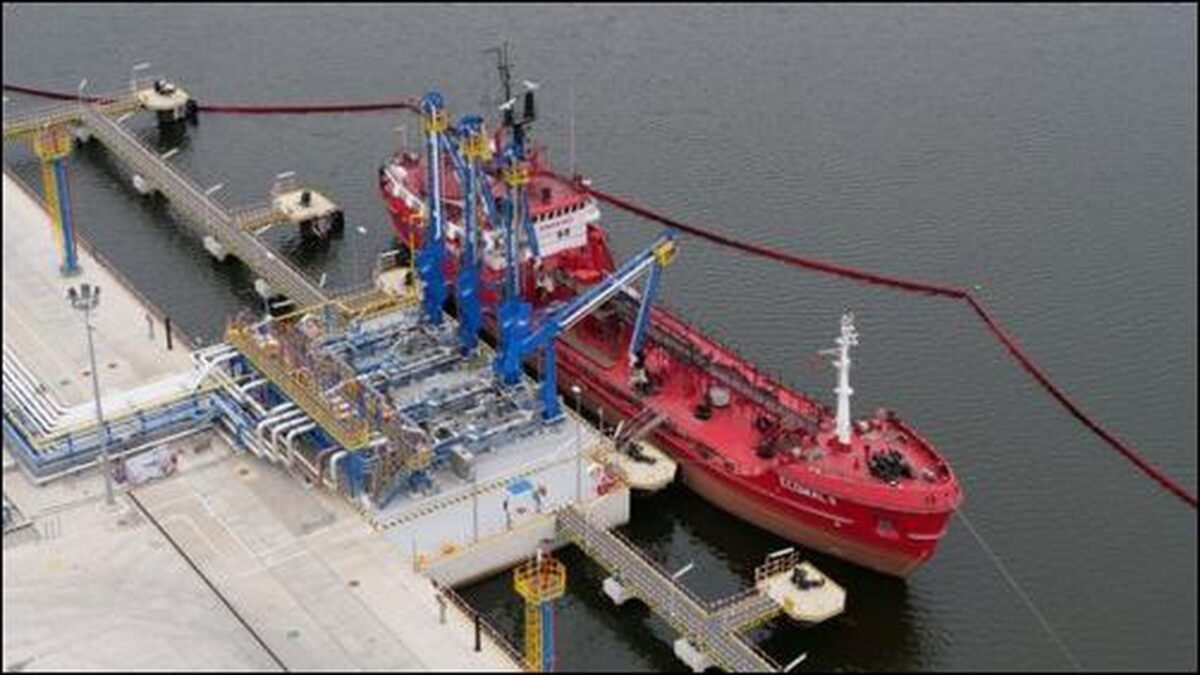
Poland’s energy landscape has achieved a significant milestone with the inauguration of ORLEN’s new marine terminal at its Gdańsk refinery. This state-of-the-art facility has already commenced operations, successfully handling its first MGO loading and FAME delivery. This pivotal event not only marks a new chapter for Polish maritime logistics but also underscores a strategic enhancement to the nation’s energy infrastructure and its commitment to sustainable shipping practices. The terminal’s immediate operational success signals a robust boost for the region’s bunker fuel capabilities and its role in the broader European energy market.
Historically, the movement of refined products and feedstocks often involved complex intermediate transport. However, the new Marine Transshipment Terminal at Gdańsk revolutionizes this process by allowing direct product and feedstock transfer between the refinery and seagoing tankers. This streamlined approach significantly shortens the supply chain, enhancing the operational flexibility of the Gdańsk refinery. The facility’s strategic location on the Martwa Wisła River further solidifies its importance as a critical hub for both inbound raw materials and outbound finished products, including essential marine gas oil and components for biofuel production.
ORLEN’s Strategic Investment in Maritime Infrastructure
ORLEN, a leading Polish energy firm, has demonstrated a forward-thinking vision with its substantial investment in the Gdańsk marine terminal. This strategic move is not merely about expanding capacity; it is about fortifying Poland’s energy independence and optimizing the entire energy value chain. By integrating a direct marine terminal with its refinery operations, ORLEN has created a highly efficient conduit for energy products, directly impacting the cost-effectiveness and speed of fuel bunkering operations in the Baltic Sea region. This hub is designed to handle more than 1.8 million tonnes of cargo annually, indicating its substantial contribution to regional trade and energy flow.
The development of this Polish Marine Terminal is a testament to ORLEN’s commitment to modernizing its infrastructure and adapting to evolving global energy demands. The ability to directly load MGO onto vessels and receive FAME for biofuel production positions Gdańsk as a pivotal point for sustainable shipping fuels. This facility acts as a crucial link, enabling ORLEN to serve both domestic and international markets more effectively, strengthening Poland’s standing as a significant player in European energy logistics. The increased operational flexibility provided by the terminal allows for quicker responses to market fluctuations and enhanced supply reliability for various marine fuel needs.
Furthermore, the terminal underscores ORLEN’s dedication to environmental considerations by facilitating the use of Fatty Acid Methyl Ester in biofuel production. This commitment aligns with broader European Union directives aimed at reducing carbon emissions from maritime transport. The terminal’s robust design and efficient operations are expected to attract a significant volume of vessel traffic, contributing positively to the local economy while simultaneously promoting greener shipping operations.
Unpacking the Inaugural Operations: MGO and FAME Flows
The inaugural operations at the Gdańsk terminal involved the first MGO loading directly from the refinery, a process meticulously executed to ensure efficiency and safety. This marine gas oil is a crucial bunker fuel for a wide range of vessels, and the ability to load it directly at the source streamlines the supply process for shipping companies operating in the Baltic Sea and beyond. The successful completion of this first loading operation confirms the terminal’s readiness and high operational standards, immediately boosting confidence in its capabilities as a reliable fuel supply point.
Parallel to the MGO loading, the terminal also handled its first FAME delivery. FAME, or Fatty Acid Methyl Ester, is a critical component used in biofuel production. Its delivery to the Gdańsk refinery via the new terminal signifies a concerted effort to integrate more sustainable components into Poland’s energy mix. This dual functionality – handling traditional marine fuels alongside biofuel feedstocks – highlights the terminal’s versatility and its strategic role in supporting both conventional and environmentally conscious shipping practices. The efficient handling of FAME is vital for the refinery’s ability to produce blended fuels that meet evolving environmental regulations.
These initial operations are more than just technical successes; they represent a significant step towards optimizing the maritime supply chain for bunker fuels and biofuel components. By eliminating intermediate transport stages, ORLEN reduces logistical complexities, costs, and environmental footprints associated with internal transportation. This direct transfer model enhances the competitiveness of the Gdańsk refinery and solidifies its position as a key energy infrastructure asset for Poland and the wider region, catering to the growing demand for efficient marine fuel logistics.
Advanced Technical Capabilities of the Gdańsk Transshipment Hub
The Polish Marine Terminal at Gdańsk boasts impressive technical specifications designed to maximize efficiency and capacity. The facility features a substantial 380-meter quay, equipped with two berths, allowing it to accommodate two vessels simultaneously. This dual-berth configuration significantly increases the terminal’s throughput and reduces vessel waiting times, a critical factor for competitive shipping operations. Each berth is capable of handling ships up to 10,000 DWT (Deadweight Tonnage), making it suitable for a broad range of tanker vessels involved in bunker fuel deliveries and feedstock imports.
In terms of transfer capacity, the terminal is highly efficient, capable of moving products at a rate of up to 500 cubic meters per hour. This high transfer rate ensures quick turnaround times for vessels, further enhancing the terminal’s overall operational efficiency and attractiveness to shipping lines. ORLEN projects that in its first year of operation, the terminal will handle approximately 100 vessels and manage the transshipment of around 500,000 tonnes of products. This anticipated volume underscores the facility’s immediate impact on regional maritime trade and its role as a burgeoning logistics hub.
The advanced design and infrastructure of this marine terminal are pivotal for the strategic supply chain optimization ORLEN aims to achieve. By facilitating direct vessel-to-refinery interaction, the terminal minimizes the need for road or rail transport of these products over land, thus reducing associated costs and environmental impact. The robust capabilities of the Gdańsk terminal ensure reliable and efficient handling of various liquid cargoes, including crucial marine gas oil and FAME, solidifying its status as a vital component of Poland’s modern energy infrastructure.
Boosting Regional Maritime Trade and Sustainable Shipping Efforts
The successful launch of the Polish Marine Terminal in Gdańsk signifies a considerable boost for regional maritime trade and the broader economy. By streamlining the flow of MGO and FAME, the terminal enhances the Port of Gdańsk’s capabilities as a prominent bunkering port in the Baltic Sea. This increased capacity and efficiency will likely attract more vessel traffic, contributing to economic growth through increased port calls, related services, and employment opportunities within the maritime sector. The facility strengthens Poland’s position as a key player in European maritime logistics.
Moreover, the terminal plays a crucial role in promoting sustainable shipping by facilitating the efficient delivery of FAME for biofuel production. As the global shipping industry moves towards decarbonization, access to reliable sources of biofuel components becomes increasingly important. The Gdańsk terminal provides a critical link in this green transition, enabling the production of cleaner marine fuels and supporting shipping companies in meeting environmental regulations. This initiative reflects a proactive approach to fostering a more sustainable future for marine transport.
This new terminal not only improves the efficiency of fuel bunkering but also strengthens the overall energy security of Poland. By having a robust and modern facility for handling crucial liquid products, the nation can better manage its energy supply chain and reduce vulnerabilities. The terminal’s operations underscore a commitment to developing a diversified and resilient energy sector, capable of adapting to future challenges and opportunities in both conventional and renewable energy domains, further enhancing the reliability of bunker fuel supply for vessel operations.
The Future Landscape of Polish Energy Logistics
The inauguration of the new Polish Marine Terminal at Gdańsk is a clear indicator of ORLEN’s long-term vision for the future of Polish energy logistics. This facility is more than just a terminal; it is an integral part of a comprehensive strategy to create a modern, efficient, and sustainable energy infrastructure. By optimizing the supply chain for marine fuels like MGO and crucial biofuel components such as FAME, ORLEN is setting new standards for operational excellence and environmental stewardship in the region. This terminal’s success will undoubtedly serve as a blueprint for future energy projects and expansions.
Looking ahead, the Gdańsk refinery’s direct access to the sea via this advanced terminal will bolster its competitiveness in the international market, making it an even more attractive partner for global shipping lines and energy traders. The terminal’s capabilities will contribute significantly to a more secure and diversified fuel supply for Poland, underpinning economic stability and growth. As the world transitions towards greener energy sources, the terminal’s role in facilitating biofuel production will become increasingly vital, aligning Poland with global sustainability objectives.
In conclusion, the new Polish Marine Terminal at Gdańsk, with its inaugural MGO loading and FAME delivery, represents a landmark achievement for ORLEN and for Poland’s maritime sector. This strategic asset enhances operational flexibility, optimizes supply chains, and strengthens the nation’s position in sustainable shipping and energy logistics. It is a powerful testament to Poland’s commitment to modernizing its infrastructure and ensuring a resilient, efficient, and environmentally responsible future for its energy industry and its contributions to the Baltic Sea’s bunker fuel market. This terminal is poised to become a cornerstone of Polish and European maritime trade for decades to come.