NYK Biofuel Trial: B100 on Car Carrier for One Year | Mariner News
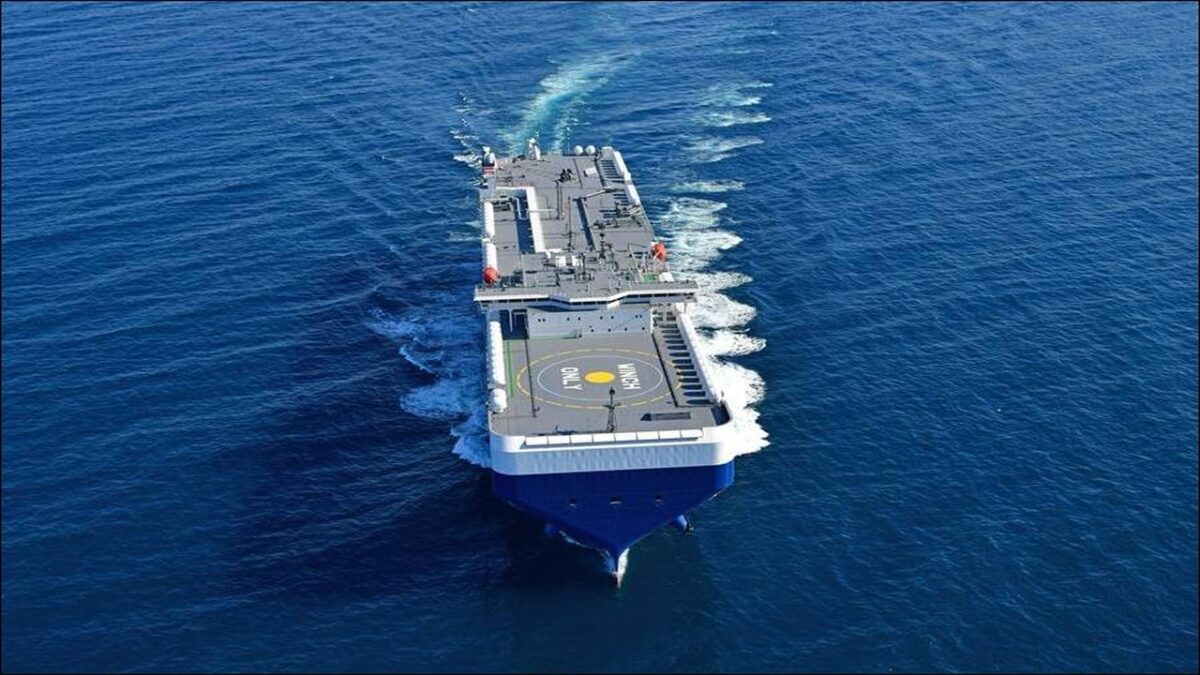
Japanese shipping giant NYK Line has embarked on a groundbreaking NYK B100 biofuel trial, launching a one-year continuous use program of 100% biofuel (B100) on one of its operated car carriers. This ambitious endeavor represents a significant leap forward in the maritime industry’s pursuit of decarbonization and sustainable shipping solutions. By rigorously assessing the long-term effects of this high-purity renewable fuel on vessel engines, fuel supply systems, and other critical equipment, NYK aims to verify operational safety and gather invaluable technical data during regular service. This pioneering initiative is poised to accelerate the adoption of cleaner marine fuels and dramatically reduce greenhouse gas emissions across the global fleet.
Pioneering Sustainable Shipping with B100 Biofuel
The shipping sector faces immense pressure to reduce its environmental footprint, and biofuels have emerged as a highly promising “drop-in” solution. Unlike alternative fuels that often require substantial modifications to existing infrastructure and engines, biofuels can be integrated into current systems with minimal adjustments. NYK’s commitment to exploring these green alternatives is not new; the company has previously conducted successful trials with B24 marine biofuel blends and subsequently expanded its usage to B30 blends. These earlier tests provided crucial insights into the performance and handling of lower-purity biofuels, laying the groundwork for this more extensive and challenging B100 program.
This current year-long biofuel trial on a car carrier is unique in its focus on the continuous, high-purity application of B100. The primary objective is to gain a comprehensive understanding of how 100% biofuel impacts the operational integrity and longevity of a vessel’s core machinery. Engineers and maritime experts will closely monitor engine performance parameters, fuel consumption rates, exhaust emissions, and the overall reliability of fuel delivery systems. The data collected from this real-world operational scenario will be critical in validating B100’s viability as a sustainable fuel for mainstream shipping, ensuring that safety and efficiency are maintained without compromise.
The decision to deploy B100 on a car carrier underscores NYK’s strategic approach to sustainable shipping. Car carriers, or vehicle transport vessels, operate on consistent routes, making them ideal candidates for controlled fuel experiments. The trial seeks to establish best practices for handling and utilizing high-purity biofuels in various operational conditions, from bunkering to propulsion. This practical experience will offer a robust framework for future industry-wide adoption, paving the way for other shipping companies to confidently transition to more environmentally friendly fuel options and accelerate their own decarbonization pathways.
Addressing the Challenges of High-Purity Biofuels
While the potential of B100 is immense, its implementation comes with specific technical challenges that NYK is determined to understand and mitigate. High-purity biofuels, such as B100, are known to be more susceptible to degradation when exposed to elements like oxygen, light, and heat. These environmental factors can affect the fuel’s stability, potentially leading to issues with fuel quality, engine performance, and even operational safety over extended periods of use. The industry currently has limited experience with the long-term continuous application of such highly concentrated biofuels, making this NYK initiative particularly vital for advancing collective knowledge.
During the extensive year-long program, NYK will meticulously monitor the fuel’s impact on various onboard systems and operational practices. This includes regular analysis of fuel samples to detect any signs of degradation, monitoring of fuel filters and injectors for fouling, and continuous assessment of engine component wear. The trial will also involve evaluating the existing fuel storage and delivery infrastructure on the car carrier to identify any necessary modifications or optimal handling procedures unique to B100. Understanding these intricate interactions is paramount to ensuring the reliable and safe operation of vessels powered by high-purity renewable fuels.
The insights gained from this focused investigation into B100’s stability and performance characteristics will be invaluable for the entire maritime supply chain. It will inform fuel producers about the specific requirements for creating more resilient and stable biofuel blends suitable for marine applications. Moreover, it will provide ship operators with the necessary guidelines for fuel management, storage protocols, and maintenance schedules when transitioning to high-purity biofuels. Addressing these technical hurdles proactively is key to unlocking the full potential of biofuels as a cornerstone of maritime decarbonization.
Accelerating Maritime Decarbonization and Emission Reduction
The successful conclusion of NYK’s B100 biofuel trial holds profound implications for accelerating maritime decarbonization globally. The shipping industry is a significant contributor to global greenhouse gas (GHG) emissions, and there is an urgent need for scalable, sustainable alternatives to traditional fossil fuels. Biofuels, derived from biomass such as agricultural waste, vegetable oils, or algae, offer a pathway to substantial carbon footprint reduction, particularly when sourced sustainably and certified. This trial directly supports the ambitious targets set by international regulatory bodies, including the International Maritime Organization (IMO), to drastically cut shipping’s GHG emissions in the coming decades.
By gathering robust technical data and operational experience, NYK is actively contributing to the broader knowledge base that underpins the wider adoption of high-purity biofuels. This data will be instrumental in developing industry standards, refining operational guidelines, and fostering confidence among shipowners and operators to invest in these green solutions. The insights into engine compatibility, maintenance requirements, and overall system reliability will help de-risk the transition process for the entire global fleet, making cleaner energy options more accessible and economically viable.
The shift towards renewable marine fuels is not merely an environmental imperative but also an economic opportunity. Companies that pioneer sustainable practices stand to gain a competitive advantage in a world increasingly focused on green logistics and supply chain transparency. This NYK biofuel trial showcases a tangible commitment to environmental stewardship, enhancing the company’s reputation as a leader in sustainable maritime transport. Furthermore, widespread adoption of biofuels could stimulate growth in the sustainable biomass sector, creating new green jobs and fostering innovation throughout the entire value chain. The reduction of direct GHG emissions from vessels is a critical step towards achieving a carbon-neutral shipping future.
The Future of Eco-Friendly Maritime Operations
NYK’s forward-thinking approach to its B100 biofuel trial firmly positions the company at the forefront of the movement towards eco-friendly maritime operations. This year-long program is more than just a test; it represents a vision for a future where global trade can continue to thrive without compromising planetary health. The success of this initiative could unlock significant potential for other vessel types, extending beyond car carriers to tankers, bulk carriers, and container ships, driving a systemic change across the entire commercial fleet. It demonstrates that with persistent research and development, even the most challenging aspects of maritime fuel transition can be addressed effectively.
The findings from this groundbreaking trial will not only benefit NYK but will be shared to advance collective industry knowledge. This collaborative spirit is essential for accelerating the pace of change required to meet urgent climate goals. As more data becomes available, the development of optimized engine technologies and fuel handling systems specifically tailored for high-purity biofuels will naturally follow. This continuous cycle of innovation, testing, and refinement is crucial for establishing biofuels as a reliable and widespread solution for marine propulsion.
Looking ahead, the integration of B100 and other advanced biofuels is part of a multi-faceted strategy for sustainable shipping. While hydrogen, ammonia, and methanol are also promising zero-emission fuels for the long term, biofuels offer an immediate, practical “drop-in” solution that can be deployed today using existing infrastructure. NYK’s trial helps bridge the gap, providing a tangible pathway to immediate carbon reduction while cleaner, more complex technologies continue to mature. The commitment demonstrated by NYK sets a precedent for the maritime industry, encouraging widespread adoption of innovative, greener alternatives and shaping a truly sustainable future for global trade. The success of this initiative will undoubtedly serve as a blueprint for others in the sector, marking a pivotal moment in the quest for a more environmentally responsible shipping industry.