Hybrid-Electric LNG Carrier Designs Advance with Industry Trio | Mariner News
In a significant stride towards maritime sustainability, three industry titans – Lloyd’s Register (LR), HD Korea Shipbuilding & Offshore Engineering (KSOE), and HD Hyundai Heavy Industries (HHI) – have united their expertise to spearhead the development of cutting-edge hybrid-electric LNG carrier designs. This pivotal joint development project (JDP) signifies a robust commitment to decarbonizing global shipping, aiming to revolutionize the operational efficiency and environmental footprint of these crucial gas carriers. The initiative, officially launched at Posidonia 2026, focuses on engineering innovative propulsion systems that promise substantial reductions in emissions and fuel consumption, marking a new chapter for the future of maritime transport.
The collaboration brings together a unique blend of classification society oversight, advanced shipbuilding prowess, and innovative engineering capabilities. By combining their strengths, the trio is set to define new standards for the next generation of LNG vessels. This strategic partnership is not merely about incremental improvements but rather about a transformative shift in marine propulsion technology, addressing the pressing global demand for greener shipping solutions. The integration of hybrid-electric systems into large-scale LNG carriers represents a bold leap forward, positioning these designs as a blueprint for the industry’s sustainable evolution.
A New Era for LNG Carrier Propulsion
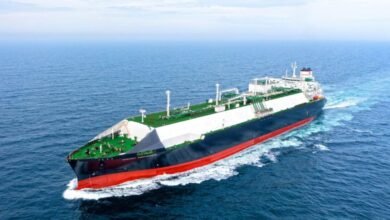
The signing of this ambitious joint development project agreement at Posidonia 2026 in Athens underscored the partners’ shared vision for a more sustainable maritime future. The immediate focus of this groundbreaking collaboration is the advancement of an 185,000 m3 LNG carrier design, meticulously equipped with a state-of-the-art hybrid-electric propulsion system. This specific vessel class, vital for global energy supply chains, presents both a challenge and an immense opportunity for applying advanced green technologies at a substantial scale.
Lloyd’s Register, a global leader in marine classification and safety assurance, brings its unparalleled expertise in risk assessment and technical guidance to the forefront. Their role is crucial in ensuring the safety, reliability, and regulatory compliance of these sophisticated new LNG carrier designs. HD Korea Shipbuilding & Offshore Engineering, alongside HD Hyundai Heavy Industries, contributes their extensive experience in naval architecture, ship design, and advanced construction techniques. This synergistic partnership allows for a comprehensive approach, from conceptualization and design to the practical implementation and verification of the propulsion system.
The project encompasses several critical areas, including the meticulous development and rigorous safety verification of the propulsion system itself. This involves intricate aspects such as optimal battery integration, robust system architecture, and comprehensive redundancy arrangements to ensure operational resilience and safety at sea. As Sung-Gu Park, President – North East Asia at LR, emphasized, “Hybrid electric propulsion has clear potential to support efficiency gains and emissions reduction, but its application at this scale requires a robust approach to design and safety.” This statement highlights the intricate balance between innovation and the imperative for stringent safety protocols, a cornerstone of this collaborative endeavor to advance hybrid-electric LNG carrier designs.
The Technology Behind Hybrid-Electric Systems
The core of this innovation lies in the sophisticated hybrid-electric propulsion system. Unlike traditional direct-drive mechanical systems, hybrid-electric setups combine internal combustion engines with electric motors and energy storage solutions, typically advanced battery banks. This configuration offers unparalleled flexibility and efficiency, allowing vessels to operate in various modes, from pure electric for maneuvering or port operations to hybrid mode for optimized transit, ensuring peak engine efficiency and reduced wear and tear.
Battery integration is a paramount aspect of these LNG carrier designs. Modern marine battery systems are designed for high power density, rapid charging, and long cycle life, making them ideal for peak shaving – providing power during transient load demands and absorbing excess energy during low-demand periods. This not only smooths out power fluctuations but also allows internal combustion engines to operate closer to their optimal load points, significantly reducing fuel consumption and associated emissions, including greenhouse gases, nitrogen oxides (NOx), and sulfur oxides (SOx).
Furthermore, the project focuses intensely on the system architecture and redundancy arrangements. A robust and intelligent power management system (PMS) is essential to seamlessly integrate all power sources – engines, generators, batteries, and propellers – ensuring continuous and reliable operation. Redundancy is built into the design, meaning critical systems have backup components or parallel pathways, preventing single points of failure and enhancing safety. This meticulous approach to design and engineering is critical for the widespread adoption and successful deployment of these advanced hybrid propulsion systems on large LNG carriers.
Driving Sustainability and Regulatory Compliance
The development of hybrid-electric LNG carrier designs is intrinsically linked to the global push for maritime decarbonization and increasingly stringent environmental regulations. The International Maritime Organization (IMO) has set ambitious targets, including a 50% reduction in greenhouse gas emissions by 2050 compared to 2008 levels, alongside new measures like the Energy Efficiency Existing Ship Index (EEXI) and Carbon Intensity Indicator (CII). Hybrid propulsion systems offer a powerful tool for shipping companies to meet and exceed these regulatory requirements.
By enabling engines to operate more efficiently and incorporating zero-emission electric modes, these sustainable LNG carriers can dramatically lower their carbon footprint. The ability to perform silent, zero-emission operations in sensitive coastal areas and ports also reduces local air and noise pollution, contributing to healthier marine environments and port communities. This technological leap provides a pathway for the industry to achieve its environmental obligations while maintaining economic viability, showcasing the commitment to green shipping solutions.
Beyond environmental compliance, the economic benefits of hybrid technology are significant. Optimized fuel consumption translates directly into operational cost savings over the vessel’s lifespan. Furthermore, improved engine performance and reduced running hours for auxiliary machinery lead to lower maintenance costs and extended component life. These factors make hybrid-electric LNG carrier designs an attractive investment for shipowners seeking long-term operational efficiency and a competitive edge in a rapidly evolving, environmentally conscious market. The project also aims to establish crucial technical guidance and requirements, paving the way for wider industry adoption of this pioneering technology.
Paving the Way for Future Maritime Innovations
The impact of this collaborative project extends beyond current hybrid-electric LNG carrier designs. The partners explicitly stated that this endeavor could also support future developments involving fuel cells and other advanced vessel technologies. The foundational work in integrating complex power management systems, battery technology, and robust safety protocols for hybrid systems creates a versatile platform for the integration of next-generation alternative fuels and power sources.
For instance, the expertise gained in electric power distribution and energy storage through this project will be invaluable for the future deployment of hydrogen or ammonia fuel cells, which produce electricity directly through chemical reactions. These advanced vessel technologies promise even greater emissions reductions and could represent the ultimate solution for zero-emission shipping. By laying the groundwork with hybrid systems, the industry is building the necessary infrastructure and knowledge base to seamlessly transition to these future fuels.
Lloyd’s Register’s involvement in establishing technical guidance and requirements is particularly crucial here. Their work ensures that the safety and performance standards developed for hybrid-electric systems can be adapted and expanded to accommodate emerging technologies. This forward-looking approach ensures that the solutions developed today are future-proof and scalable, allowing the maritime sector to continuously evolve its environmental performance. The collaboration acts as an innovation hub, driving not just the immediate advancement of sustainable LNG carriers but also fostering a fertile ground for continuous technological evolution across the broader maritime landscape.
Global Impact and Collaborative Leadership
This joint development project between LR, HD Korea Shipbuilding & Offshore Engineering, and HD Hyundai Heavy Industries represents more than just a technological advancement; it signifies a powerful statement of collaborative leadership within the global maritime industry. By pooling resources and expertise, these organizations are addressing complex engineering challenges that individual entities might struggle to overcome alone. The success of these hybrid-electric LNG carrier designs will not only benefit the immediate partners but also serve as a beacon for the entire shipbuilding and shipping community.
The widespread adoption of such advanced propulsion systems could accelerate the energy transition in maritime transport, inspire similar projects across different vessel types, and ultimately contribute significantly to meeting global climate goals. The leadership demonstrated by this trio in pursuing sophisticated, eco-friendly LNG carriers will set new benchmarks for innovation and responsible environmental stewardship within the industry. It underlines the critical role that international cooperation and multi-stakeholder engagement play in driving meaningful progress towards a sustainable future for global trade.
In conclusion, the concerted efforts to develop hybrid-electric LNG carrier designs are a testament to the maritime industry’s unwavering commitment to innovation and environmental responsibility. Through the visionary collaboration of Lloyd’s Register, HD Korea Shipbuilding & Offshore Engineering, and HD Hyundai Heavy Industries, the shipping world is moving closer to a future defined by operational efficiency, reduced environmental impact, and technological excellence. This project is not merely designing ships; it is charting a course for a greener, more sustainable era of global maritime transport, promising a profound impact on the industry for decades to come.