TFG Marine & ZeroNorth Complete First E-BDN Trial in Mauritius | Mariner News
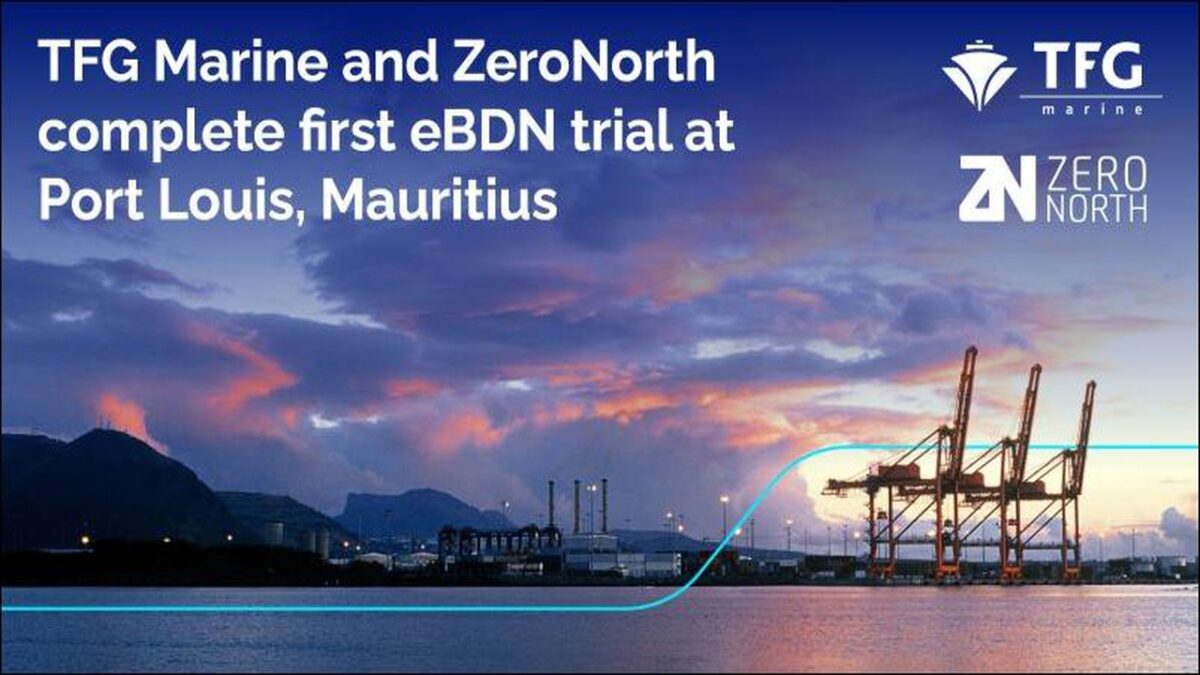
The global maritime industry is rapidly embracing digitalization, notably propelled by TFG Marine and ZeroNorth. These entities have successfully completed the first e-BDN trial in Mauritius, marking a pivotal advancement for digital bunker delivery operations. Conducted at Port Louis, this innovative trial underscores a strong commitment to enhancing efficiency, transparency, and compliance within marine fuel transactions. The successful implementation of an electronic bunker delivery note (e-BDN) system is a strategic step, poised to fundamentally reshape how bunker fuel is delivered and documented, improving the entire maritime supply chain through advanced maritime technology.
Pioneering Digital Bunker Delivery Notes (e-BDNs) for Global Shipping
An electronic bunker delivery note (e-BDN) significantly upgrades traditional paper systems, offering a digital, streamlined approach for marine fuel deliveries. This transformation ensures greater accuracy, reduces human error, and provides secure, verifiable transaction records. For TFG Marine, a global bunker supplier, and ZeroNorth, a maritime technology expert, integrating e-BDN technology is central to their vision for an efficient, sustainable future. Digital nature facilitates quicker data processing, real-time information access, and enhanced data integrity, crucial for bunker fuel logistics excellence.
The e-BDN program, a collaboration between TFG Marine and ZeroNorth, has seen systematic rollout across key maritime hubs globally. Its initial success in Singapore, a global bunkering superpower now mandating e-BDN use, showcased effectiveness and scalability in high-volume environments. The program then expanded to the Middle East with a trial at Oman’s Port of Sohar. These deployments provided valuable insights, refining the e-BDN solution for broader international adoption and proving its robustness in diverse operational settings.
Such meticulous planning laid the groundwork for the successful Mauritius trial, reinforcing the technology’s adaptability and immense potential to transform global bunker delivery processes. This collaborative innovation extends beyond digital conversion, creating an ecosystem that supports seamless digital operations and accelerates digitalization in shipping, promising tangible benefits for all stakeholders, from marine fuel suppliers to vessel operators.
Mauritius: A Strategic Hub for Maritime Digital Transformation
The selection of Port Louis, Mauritius, for the first e-BDN trial holds significant strategic importance for regional and international maritime trade. Mauritius, a key island nation in the Indian Ocean, plays a vital role in connecting shipping lanes between Asia, Africa, and the Americas. Port Louis acts as a critical bunkering hub and a growing center for maritime services. Introducing advanced maritime technology like the e-BDN here not only enhances local operations but also sets a powerful precedent for other emerging maritime economies to embrace digital transformation.
This forward-thinking approach actively positions Mauritius as an attractive location for innovative shipping solutions and a modern maritime center in the Indian Ocean region. TFG Marine’s strong presence in Mauritius is bolstered by its long-standing joint venture with Groupe Roland Maurel, operating locally as TFG-GRM. This deep-rooted local partnership provides invaluable market understanding, crucial for the successful implementation of new technologies.
The existing infrastructure and established relationships offered fertile ground for piloting the e-BDN solution, ensuring a smoother transition and immediate operational feedback. Kenneth Dam, Executive Director of TFG Marine, affirmed the solution’s scalability: ‘TFG Marine has been at the forefront of eBDN adoption… this trial in Mauritius demonstrates the scalability of the solution across our global network.’ This underscores the e-BDN system’s global applicability and adaptability in diverse bunker operations worldwide.
Driving Compliance and Operational Excellence with e-BDNs
E-BDN technology adoption is primarily driven by its compelling benefits in compliance and enhanced operational efficiency. In an increasingly regulated maritime industry, meticulous documentation is paramount to avoid penalties and ensure accountability. Ports like Singapore, for instance, have mandated e-BDN usage for all bunker deliveries since April 2025, setting a clear global precedent for industry best practices.
The e-BDN solution provides a standardized, tamper-proof digital record, significantly reducing risks of fraud, minimizing disputes, and ensuring all transactions rigorously adhere to stringent international and local regulations. This commitment to robust compliance is a cornerstone of responsible bunker fuel supply operations and vital for maintaining shipping compliance standards across the board.
Operationally, electronic bunker delivery notes offer transformative advantages for all involved stakeholders. Traditional paper systems are notoriously prone to errors, involve time-consuming manual processes, and often lead to delays in data reconciliation. The e-BDN fundamentally streamlines these operations by digitizing the entire process from order to delivery. This enables faster processing, immediate access to accurate data for both suppliers and receiving vessels, and enhanced transparency throughout the entire bunker delivery process. Real-time data access facilitates better inventory management, improved scheduling, and more efficient resource allocation, ultimately leading to significant cost savings and optimized workflows for all parties in the maritime supply chain. This marks a crucial leap for overall operational efficiency.
A Sustainable and Digital Future for Maritime Bunkering
The successful e-BDN trial in Mauritius signifies a major stride towards a fully digitalized and sustainable shipping industry. The sustained momentum from earlier trials in Singapore and Oman, coupled with this success in Mauritius, clearly indicates a global shift where electronic bunker delivery notes will become standard practice across major bunkering hubs. As more ports and maritime authorities recognize the undeniable benefits – including improved efficiency, heightened transparency, and significantly reduced administrative burdens – widespread e-BDN adoption is becoming increasingly inevitable.
Beyond immediate operational enhancements, e-BDN technology plays a crucial role in advancing the broader sustainability agenda within the maritime sector. By largely eliminating paper documentation, the industry takes a tangible step towards reducing its environmental footprint and conserving natural resources. Moreover, the accurate, real-time data generated by electronic bunker delivery notes can be powerfully leveraged for better tracking and reporting of fuel consumption and emissions. This enhanced data visibility is invaluable for companies striving to meet increasingly stringent environmental regulations and achieve ambitious decarbonization goals. Thus, process digitalization is intrinsically linked to fostering a greener, more environmentally responsible shipping industry, contributing significantly to global sustainability efforts.
In conclusion, the successful e-BDN trial in Mauritius by TFG Marine and ZeroNorth marks a truly momentous occasion for the global maritime industry. This significant achievement demonstrates the proven scalability and effectiveness of advanced electronic bunker delivery note technology, reinforcing the accelerating pace of digital transformation across global bunker delivery operations. By substantially enhancing compliance, boosting operational efficiency, and laying crucial groundwork for greater sustainability initiatives, this collaborative effort sets a new benchmark for maritime innovation. As the shipping industry navigates towards a future defined by smart solutions, this pioneering work in Mauritius stands as a shining example of progress and unwavering commitment to a more efficient, transparent, and environmentally conscious maritime ecosystem.