OOCL Orders 12 LNG Dual-Fuel Container Ships | Mariner News
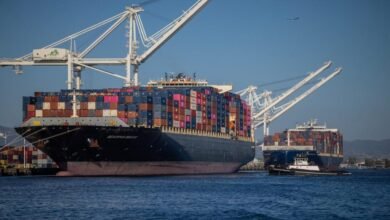
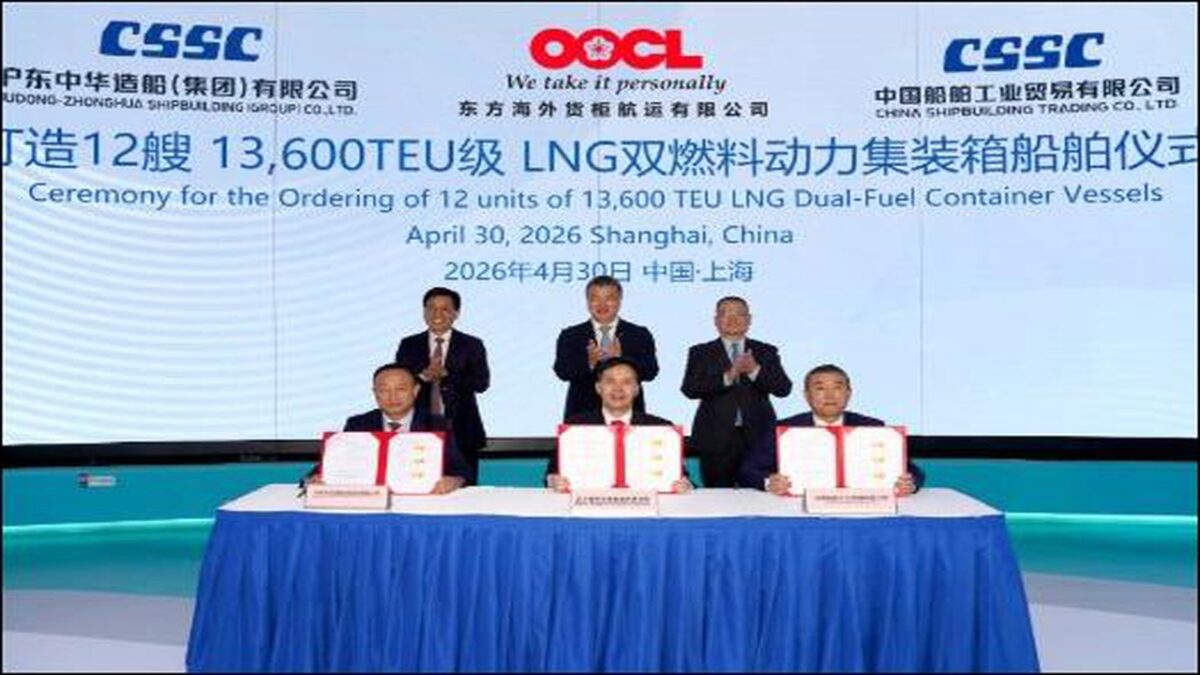
In a landmark move set to significantly bolster its fleet and underscore a profound commitment to environmental stewardship, Hong Kong-based shipping giant Orient Overseas Container Line (OOCL) has officially placed orders for an impressive twelve dual-fuel LNG container ships. This substantial investment marks a pivotal moment for OOCL, signaling a robust stride towards modernizing its operations and embracing cleaner energy solutions within the global maritime industry. The order for these advanced vessels, each boasting a formidable 13,600 TEU capacity, highlights OOCL’s strategic vision for sustainable shipping and its dedication to navigating the evolving landscape of international environmental regulations. These new dual-fuel LNG boxships represent a critical step in OOCL’s decarbonization pathway, ensuring future readiness and operational efficiency. The ordering ceremony, a significant event for the shipping sector, was successfully held in Shanghai on April 30, formalizing agreements with Hudong-Zhonghua Shipbuilding, a prominent name in naval construction.
OOCL’s Strategic Imperative for Sustainable Shipping
OOCL’s decision to invest in these twelve state-of-the-art LNG-powered container vessels is not merely an operational upgrade; it’s a strategic imperative driven by a comprehensive assessment of global environmental regulations, the viability of alternative fuel pathways, and the long-term feasibility of fuel supply. As the maritime industry faces increasing pressure to reduce its carbon footprint and mitigate greenhouse gas emissions, OOCL is proactively responding to these challenges. This substantial order aligns perfectly with the company’s ambitious environmental goals, demonstrating a clear commitment to fostering sustainable practices across its vast shipping network. These next-generation dual-fuel container ships will initially operate on liquefied natural gas (LNG) and conventional marine fuels, providing the operational flexibility necessary during this transitional period for the shipping sector.
The integration of LNG as a primary fuel source for such a significant portion of its expanding fleet underscores OOCL’s forward-thinking approach to environmental compliance and its leadership in adopting greener maritime technologies. The move is expected to yield substantial reductions in sulfur oxides (SOx), nitrogen oxides (NOx), particulate matter, and greenhouse gas emissions compared to traditional heavy fuel oil. By making this substantial commitment, OOCL is not only enhancing its own fleet’s environmental performance but also setting a precedent for other players within the fiercely competitive container shipping market. This investment represents a proactive strategy to secure a competitive edge in a world increasingly prioritizing ecological responsibility and stringent emission standards.
The Ascendancy of LNG as a Marine Fuel Solution
Liquefied natural gas (LNG) has rapidly emerged as a leading alternative marine fuel, gaining significant traction across various segments of the global shipping industry, including the container sector. Its widespread adoption is primarily attributed to its proven ability to deliver immediate and substantial reductions in air pollutant emissions. Unlike other nascent alternative fuels such as methanol or ammonia, LNG boasts a more established supply infrastructure and a longer track record of safe and efficient use in marine propulsion. This maturity and accessibility make LNG an attractive and pragmatic choice for shipping companies like OOCL seeking to transition away from higher-carbon traditional bunker fuels.
However, it’s crucial to acknowledge that while LNG offers significant environmental benefits today, it is widely considered a transitional fuel. The long-term trajectory for maritime decarbonization will likely necessitate a shift towards lower-carbon or carbon-neutral alternatives. For these new OOCL vessels, this could mean a future transition to bio-LNG or synthetic LNG as emissions regulations become even more stringent in the coming decades. The dual-fuel capability of these container ships provides the necessary flexibility, allowing OOCL to adapt to future fuel developments and regulatory mandates without requiring extensive retrofitting. This adaptability is a key advantage, ensuring the longevity and continued environmental compliance of these significant investments.
Advanced Technical Specifications and Fleet Enhancement
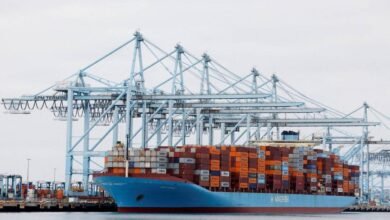
These twelve new OOCL dual-fuel LNG container ships are designed to optimize both capacity and environmental performance. Each vessel will have an impressive capacity of 13,600 TEU (Twenty-foot Equivalent Units), enabling OOCL to efficiently transport vast volumes of cargo across major global trade lanes. The shipbuilding contracts were signed with Hudong-Zhonghua Shipbuilding, a testament to the yard’s expertise in constructing sophisticated, large-capacity vessels that meet rigorous international standards. This collaboration ensures that OOCL’s new boxships will incorporate cutting-edge maritime engineering and propulsion systems.
Crucially, these vessels will be the very first LNG-fueled ships to join OOCL’s distinguished fleet. This represents a significant milestone for the Hong Kong-based carrier, marking a new chapter in its operational history and environmental strategy. The integration of these advanced container ships will not only enhance OOCL’s overall carrying capacity and operational flexibility but also significantly lower the average emissions intensity of its fleet. This strategic fleet enhancement positions OOCL at the forefront of the industry’s green transformation, ready to meet the evolving demands of both customers and regulators for more sustainable maritime transport solutions. The operational efficiency gains from modern designs, combined with the environmental benefits of LNG, promise a compelling blend of performance and responsibility.
Shaping the Future of Global Container Shipping
OOCL’s substantial order for dual-fuel LNG boxships is a powerful indicator of the broader trends shaping the global container shipping industry. Major carriers are increasingly recognizing the necessity of investing in greener technologies to remain competitive and compliant in an era of tightening environmental regulations. This strategic move by OOCL is likely to inspire further investments in alternative fuel vessels across the sector, accelerating the industry’s transition towards decarbonization. Such large-scale orders influence not only the fleets of individual companies but also the development of global bunkering infrastructure for LNG and other alternative fuels.
The deployment of these advanced container ships will allow OOCL to offer more environmentally friendly shipping options to its clientele, which is increasingly demanding sustainable supply chain solutions. This could potentially translate into competitive advantages, attracting environmentally conscious shippers and potentially impacting freight rates and market share within key trade routes. As more shipping lines adopt similar strategies, the collective impact on reducing the carbon footprint of international trade will be substantial. OOCL’s investment is a testament to the shifting paradigms within maritime transport, where ecological responsibility is becoming as crucial as economic efficiency.
Navigating Evolving Environmental Regulations and Fuel Pathways
The maritime industry operates under a complex and continuously evolving framework of environmental regulations, primarily spearheaded by the International Maritime Organization (IMO). These regulations, such as the Energy Efficiency Existing Ship Index (EEXI) and the Carbon Intensity Indicator (CII), are designed to push the shipping sector towards a net-zero future. OOCL’s decision to acquire dual-fuel LNG vessels is a direct response to these regulatory pressures and a proactive measure to ensure long-term compliance and operational resilience.
The company’s assessment of various alternative fuel pathways underscores a prudent approach to future-proofing its fleet. While LNG is currently a leading solution, OOCL acknowledges the need for continuous evaluation of emerging fuels like methanol, ammonia, and hydrogen. The dual-fuel capability offers a vital bridge, allowing for a seamless transition as cleaner, more scalable fuel options become commercially viable and globally available. This adaptability is critical for navigating the uncertainties of future fuel landscapes and ensures that OOCL remains at the vanguard of sustainable maritime operations, prepared for the next phases of industry decarbonization.
In conclusion, OOCL’s significant order for twelve dual-fuel LNG container ships represents a momentous investment in the future of sustainable maritime transport. This strategic move not only enhances OOCL’s operational capabilities and fleet modernity but also firmly establishes its position as a leader in environmental stewardship within the fiercely competitive container shipping industry. By embracing LNG as a transitional fuel, OOCL is taking decisive action to reduce emissions, comply with evolving regulations, and contribute to a greener global supply chain. This commitment ensures that OOCL’s boxships will continue to connect the world, but now with a significantly reduced environmental impact, paving the way for a more sustainable and efficient future for maritime logistics.