LNG Gains as Green Shipping Fuel | Maritime Decarbonization | Mariner News
The global maritime industry is experiencing a profound transformation, with Liquefied Natural Gas (LNG) shipping rapidly emerging as a leading alternative fuel choice for commercial vessels. As regulatory pressures intensify and the urgent need for emissions reduction becomes undeniable, shipowners and operators are increasingly turning to LNG to power their fleets, marking a significant stride towards a greener and more sustainable future for ocean transport.
For decades, the shipping sector has predominantly relied on heavy fuel oil, a significant contributor to air pollution and greenhouse gas emissions. However, with the International Maritime Organization (IMO) setting ambitious targets for decarbonisation, including a 40% reduction in carbon intensity by 2030 and a 50% cut in total annual GHG emissions by 2050 compared to 2008 levels, the quest for viable, cleaner fuels has become paramount. While a complete regulatory consensus on a definitive decarbonisation pathway remains elusive, the maritime industry, operating in real time, has proactively invested in innovative solutions. This includes not only conventionally fuelled vessels equipped with state-of-the-art technologies that slash fuel consumption by over 40% compared to five years ago but, more significantly, in dual-fuel engines capable of operating efficiently on LNG.
The Compelling Case for LNG as a Marine Fuel
LNG presents a multitude of compelling advantages that position it as a formidable alternative marine fuel. From an environmental standpoint, its benefits are substantial and immediate. When combusted, LNG produces virtually no sulfur oxides (SOx) or particulate matter, eliminating concerns about acid rain and respiratory issues. It also reduces nitrogen oxide (NOx) emissions by up to 85% compared to conventional marine fuels, allowing vessels to easily meet stringent Tier III NOx regulations in Emission Control Areas (ECAs) worldwide. Furthermore, LNG combustion results in approximately 20-25% lower carbon dioxide (CO2) emissions on a tank-to-wake basis, offering a significant improvement in carbon footprint.
Beyond its environmental credentials, LNG offers significant operational and economic benefits. Its clean-burning nature reduces engine wear and tear, leading to lower maintenance costs and extended engine life. The abundance of natural gas reserves globally also contributes to more stable and often more competitive fuel prices compared to the volatile oil market, providing a degree of cost predictability for ship operators. This stability, coupled with the potential for future carbon pricing mechanisms, makes LNG a financially attractive long-term investment for forward-thinking shipping companies.
The regulatory landscape further bolsters LNG’s appeal. As international and regional environmental regulations become increasingly stringent, vessels powered by conventional fuels face the prospect of costly abatement technologies or being excluded from certain trade routes. LNG-fuelled vessels, by contrast, are inherently compliant with current and anticipated emissions standards, future-proofing investments and ensuring uninterrupted global operations. This proactive compliance strategy reduces operational risks and potential penalties, offering peace of mind to stakeholders.
Moreover, the infrastructure for LNG bunkering, though still developing in some regions, is considerably more established than for other nascent alternative fuels like ammonia or hydrogen. Major ports worldwide are increasingly offering LNG bunkering services, creating a reliable supply chain. This growing network, combined with the proven safety record and technological maturity of LNG systems, makes it a pragmatic and scalable solution for immediate emissions reductions in the maritime sector, addressing both environmental concerns and operational demands effectively.
Surging Growth in the LNG Dual-Fuel Fleet
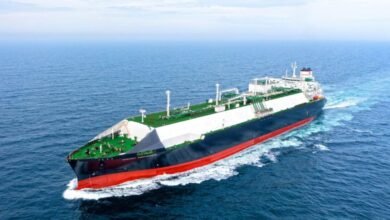
The maritime industry’s commitment to LNG as a viable pathway to decarbonisation is clearly reflected in the rapid expansion of the LNG dual-fuel fleet. According to the latest Lloyd’s Register (LR) report, by March 2026, the global fleet capable of operating on gas as a marine fuel had reached an impressive 1,665 vessels, with an additional 982 ships on order. This represents a significant and sustained increase, demonstrating a strong market confidence in LNG as a crucial transitional fuel for sustainable shipping operations worldwide.
This growth is not uniform across all segments of maritime transport but is particularly pronounced within the container shipping segment. Major container lines are heavily investing in large, newbuild LNG-powered container ships, driven by their long operational lifespans, fixed trade routes, and the scale required for global supply chains. The decision by these industry giants to adopt LNG sends a powerful signal to the broader market, encouraging further adoption and investment across other vessel types and operators. This leadership in container shipping is setting a precedent for environmental stewardship.
The concept of ‘dual-fuel’ technology is central to this widespread adoption. These advanced engines offer shipowners the flexibility to switch between LNG and conventional marine diesel oil (MDO) or heavy fuel oil (HFO), providing operational resilience and fuel security. This flexibility is vital in a global industry where bunkering infrastructure for alternative fuels is still evolving in some remote locations. It allows vessels to operate on cleaner LNG wherever available, while retaining the option for conventional fuels when necessary, bridging the gap during the energy transition.
Furthermore, the long-term strategic decisions made by shipowners to invest in LNG-fuelled vessels underscore a belief in LNG’s enduring role. This is not merely a short-term trend but a calculated move to future-proof assets against tightening environmental regulations and fluctuating fuel prices. The substantial capital outlay required for these advanced vessels signifies a profound commitment from industry leaders towards sustainable maritime practices, acknowledging the environmental imperative while seeking operational efficiency and economic viability.
Navigating Challenges and Future Prospects for Green Shipping
Despite its numerous advantages, the widespread adoption of LNG as a marine fuel is not without its challenges. One of the primary concerns is methane slip, where uncombusted methane – a potent greenhouse gas – can escape into the atmosphere during engine operation. While LNG offers significant CO2 reductions, methane’s higher global warming potential means that mitigating methane slip is crucial for maximizing LNG’s environmental benefits. Continuous research and development in engine technology are focused on minimizing these emissions to ensure LNG’s role in maritime decarbonization is as effective as possible.
Another significant hurdle is the initial capital investment required for LNG-powered vessels and the associated bunkering infrastructure. Building new LNG-ready ships or converting existing ones can be more expensive than conventional vessels, and the expansion of bunkering facilities, particularly in smaller ports or less-frequented trade lanes, requires substantial financial commitment and strategic planning. Overcoming these economic barriers necessitates collaboration between shipowners, energy providers, port authorities, and financial institutions to create a supportive ecosystem for greener shipping.
Moreover, the regulatory landscape, while pushing for change, also presents complexities. The IMO’s efforts to reach a global consensus on a definitive decarbonisation pathway, balancing emissions reduction with operational demands, highlight the intricate nature of international policymaking. Different regional policies and standards can create fragmented requirements for vessels, adding layers of complexity for global operators. Harmonization of regulations is key to fostering seamless adoption of alternative fuels across the diverse global fleet.
Looking ahead, LNG is widely viewed as a crucial bridge fuel in the broader maritime energy transition. While it offers immediate and significant reductions in conventional pollutants and CO2, the industry is also exploring other zero-carbon fuels like green ammonia, methanol, and hydrogen for the longer term. Research and development continue to advance, not only in exploring these future fuels but also in enhancing the efficiency of LNG combustion, utilizing bio-LNG and synthetic LNG (e-LNG) produced from renewable sources. These advancements promise to further reduce the carbon intensity of LNG, keeping it relevant in a multi-fuel future.
Economic and Strategic Advantages for Maritime Stakeholders
Investing in LNG-powered vessels offers a significant competitive edge in an increasingly environmentally conscious global market. Companies that demonstrate a commitment to sustainable shipping practices often attract a growing segment of clients who prioritize green logistics and supply chain transparency. This proactive stance on environmental, social, and governance (ESG) criteria enhances corporate reputation, builds stronger stakeholder relationships, and can open doors to new business opportunities with sustainability-focused partners and consumers.
The operational efficiencies derived from modern LNG engines also contribute to a healthier bottom line. Beyond reduced maintenance, advancements in engine design lead to improved fuel efficiency, meaning less fuel consumed for the same operational output. This translates directly into lower operational costs over the vessel’s lifespan, providing a tangible return on the initial investment. Furthermore, the ability to comply with current and future emissions regulations without expensive retrofits or penalties ensures uninterrupted global trade, a critical factor for competitive advantage.
From a risk mitigation perspective, adopting LNG technology helps shipowners hedge against the uncertainties of future carbon pricing and increasingly strict environmental zones. As carbon taxes become more prevalent and Emission Control Areas expand, vessels reliant solely on high-carbon fuels will face higher operational costs or even restrictions. LNG-fuelled vessels, by contrast, are better positioned to navigate these evolving regulatory frameworks, ensuring long-term operability and predictable compliance costs, thus safeguarding asset value and market access.
Ultimately, the strategic move towards LNG positions maritime companies as leaders in innovation and environmental stewardship. This forward-thinking approach not only contributes to global climate goals but also reinforces market perception, demonstrating a commitment to responsible business practices. In a sector under intense scrutiny to decarbonize, early adopters of LNG are setting industry benchmarks, fostering a culture of innovation, and shaping the future trajectory of the maritime industry towards a truly sustainable and economically resilient paradigm.
Conclusion
LNG’s ascent as a leading alternative marine fuel marks a pivotal moment in the maritime industry’s journey towards decarbonisation. While the road ahead involves continued innovation, infrastructure development, and regulatory alignment, the substantial growth of the LNG dual-fuel fleet underscores its immediate viability and long-term potential. By significantly reducing harmful emissions and offering a pragmatic pathway to cleaner operations, LNG is not just a fuel choice; it is a strategic investment in a more sustainable and resilient future for global shipping. As the industry continues to evolve, LNG will undoubtedly play a critical role, paving the way for further advancements in green maritime energy and ensuring a healthier planet for generations to come.