Osaka Gas Pioneers Sustainable LNG Bunkering in Japan | Mariner News
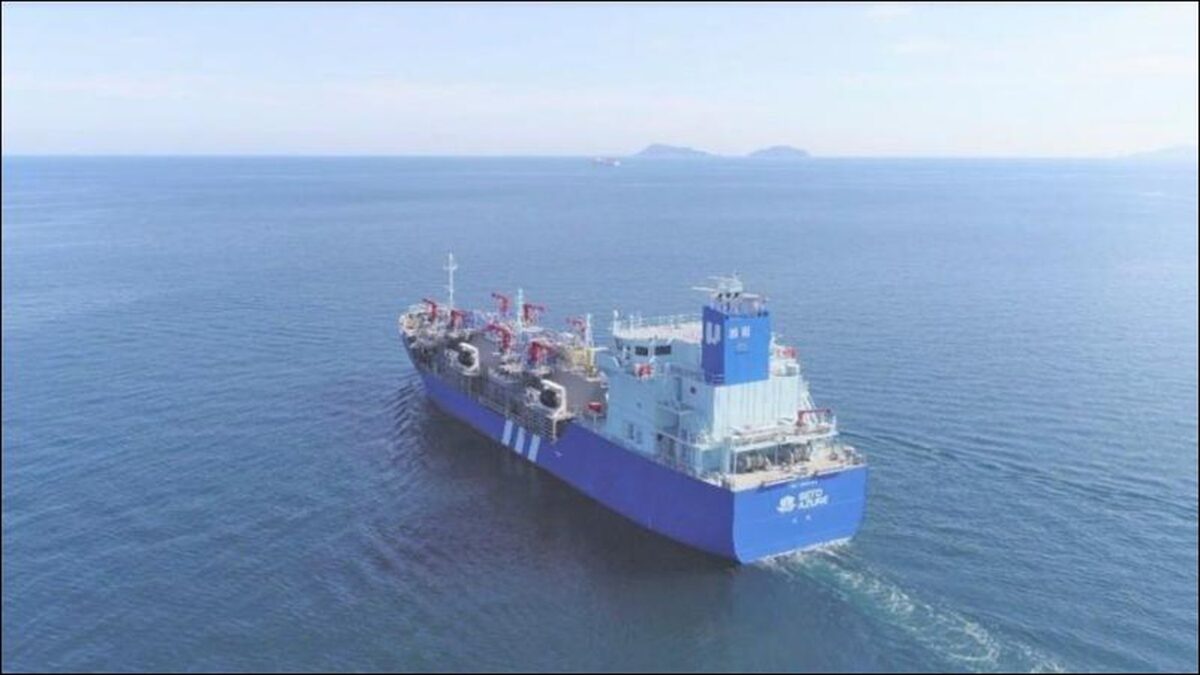
The maritime industry is undergoing a transformative shift towards cleaner energy solutions, and a significant milestone has just been achieved in Japan. Osaka Gas has proudly announced the commencement of its innovative ship-to-ship (STS) LNG bunkering operations, marking a pivotal moment for sustainable shipping in the region. This new service, utilizing the state-of-the-art LNG bunkering vessel Seto Azure, significantly enhances the accessibility and flexibility of liquefied natural gas (LNG) as a marine fuel, supporting global efforts towards decarbonization and environmental compliance. This strategic move by Osaka Gas positions Japan at the forefront of adopting advanced, eco-friendly bunkering technologies, providing a robust infrastructure for vessels transitioning to cleaner fuels. The implications for the Asian maritime sector, and indeed the global shipping community, are substantial, promising a greener future for marine transport and reinforcing the commitment to reducing carbon footprints across the oceans.
Pioneering Ship-to-Ship LNG Bunkering in Japan
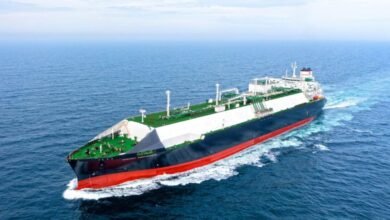
Osaka Gas initiated its groundbreaking ship-to-ship LNG bunkering service on April 21, with the first successful operation conducted at JFE Steel’s Fukuyama site in Hiroshima. During this inaugural bunkering event, the specialized LNG bunkering vessel, Seto Azure, efficiently supplied LNG to a dual-fuel bulk carrier. This operation demonstrates Osaka Gas’s capability to provide flexible and resilient LNG supply options to a diverse range of vessels, augmenting its existing truck-to-ship and port-to-ship bunkering services. The Seto Azure, a vessel designed for optimal efficiency and safety in LNG transfer, is slated to primarily operate within the strategically important maritime routes of Osaka Bay and the Setouchi region. This geographical focus ensures that key shipping lanes and major ports in Japan will have reliable access to LNG fuel, catering to the increasing demand from vessels equipped with dual-fuel engines. The introduction of STS bunkering not only streamlines the refueling process but also minimizes port stay times, thereby improving the operational efficiency for fleet operators and reducing overall logistics costs.
The adoption of ship-to-ship transfer technology represents a significant leap forward compared to traditional bunkering methods. It allows for the simultaneous loading and unloading of cargo while refueling, which is a critical advantage for busy ports and high-traffic shipping routes. This advanced method ensures that vessels can maintain their operational schedules without significant delays, making LNG a more attractive and viable fuel option for shipowners. Osaka Gas’s investment in the Seto Azure underscores its commitment to developing a comprehensive LNG supply chain that supports the evolving needs of the global maritime industry. By expanding its service offerings, Osaka Gas is not merely providing a fuel; it is offering a complete, integrated solution that facilitates the transition to more sustainable shipping practices, thereby contributing to a cleaner marine environment and setting new standards for maritime fuel logistics in Asia.
The Growing Importance of LNG as a Marine Fuel
Liquefied natural gas (LNG) is rapidly gaining traction as a preferred alternative marine fuel across the global shipping landscape. Its appeal stems from its superior environmental performance compared to conventional heavy fuel oil (HFO) and marine gas oil (MGO). Vessels powered by LNG significantly reduce emissions of sulfur oxides (SOx) and particulate matter to virtually zero, comfortably meeting stringent international regulations such as the IMO 2020 sulfur cap. Furthermore, LNG combustion results in a substantial reduction of nitrogen oxides (NOx) and greenhouse gas (GHG) emissions, including carbon dioxide, by up to 25% compared to traditional fuels. These environmental benefits are crucial for the shipping industry, which is under increasing pressure to decarbonize and comply with stricter environmental mandates from regulatory bodies and public demand for sustainable practices.
The global fleet of LNG-fueled vessels is expanding, with new orders for dual-fuel ships continuing to rise. This growing interest is driven by a combination of factors, including regulatory pressures, corporate sustainability targets, and the long-term economic viability of LNG as a stable and cleaner energy source. Moreover, LNG offers a clear pathway to further decarbonization through the potential future use of synthetic fuels like bio-LNG and synthetic LNG (e-LNG). Bio-LNG, produced from sustainable biomass, and e-LNG, created using renewable electricity, can offer near-zero or even negative carbon emissions over their lifecycle, providing a crucial bridge fuel solution towards the maritime industry’s ambitious net-zero targets. Osaka Gas’s commitment to facilitating LNG bunkering in Japan directly supports this global trend, ensuring that vessels operating in Japanese waters have access to this vital clean energy supply and can embrace a more sustainable operational model.
Osaka Gas’s Strategic Vision and Role in Sustainable Shipping
Osaka Gas, a leading energy utility firm in Japan, is demonstrating a robust strategic vision aligned with global sustainability objectives. The launch of ship-to-ship LNG bunkering is a testament to its commitment to providing comprehensive energy solutions that are both efficient and environmentally responsible. The company’s long-standing expertise in gas infrastructure and supply chain management provides a strong foundation for its expansion into the marine bunkering sector. By leveraging its extensive experience, Osaka Gas is not only diversifying its service portfolio but also actively contributing to the decarbonization of the international maritime industry, a sector critical for global trade and economic development. This initiative highlights Osaka Gas’s role not just as an energy provider, but as an innovator and a key enabler of green maritime logistics in the Asia-Pacific region.
The company’s investment in advanced bunkering infrastructure, such as the Seto Azure, reflects a forward-thinking approach to meet future energy demands. This strategic investment is vital for building a resilient and sustainable LNG supply network that can support the increasing number of LNG-powered vessels. Osaka Gas is also actively exploring opportunities for collaboration with other industry stakeholders, including shipowners, port authorities, and technology providers, to further enhance the efficiency and reach of its LNG bunkering services. Such collaborations are essential for fostering a robust ecosystem that supports the widespread adoption of cleaner marine fuels and accelerates the transition towards a low-carbon shipping future. Through these efforts, Osaka Gas is solidifying its position as a proactive leader in the energy transition, driving significant positive change within Japan’s dynamic maritime sector.
Environmental Benefits and Decarbonization Pathways
The environmental advantages of LNG as a marine fuel are multifaceted and align perfectly with the ambitious decarbonization goals set by international bodies like the International Maritime Organization (IMO). Beyond the immediate reductions in SOx, NOx, and particulate matter, LNG offers a significant pathway for the maritime industry to lower its overall carbon footprint. The ability to achieve up to a 25% reduction in CO2 emissions with conventional LNG combustion already positions it as a superior alternative to heavy fuel oil. This makes LNG an essential ‘bridge fuel’ as the industry works towards developing and scaling up zero-emission technologies such as hydrogen and ammonia fuel cells.
Furthermore, the long-term potential for bio-LNG and synthetic LNG offers an even more compelling environmental narrative. By gradually blending or fully transitioning to these renewable forms of LNG, vessels can achieve near-zero or even carbon-neutral operations. This flexibility provides shipowners with a clear and actionable strategy for compliance with progressively stricter environmental regulations and future carbon pricing mechanisms. Osaka Gas’s infrastructure for LNG bunkering directly supports this transition, enabling ship operators to make incremental improvements in their environmental performance today, while preparing for a fully decarbonized future. This proactive approach by Osaka Gas helps ensure that Japan’s maritime sector remains competitive and environmentally responsible on the global stage, contributing meaningfully to the fight against climate change and promoting cleaner air and healthier marine ecosystems.
Economic and Operational Advantages of Flexible Bunkering
Beyond the environmental imperative, the new ship-to-ship LNG bunkering service by Osaka Gas offers considerable economic and operational advantages for shipping companies. The ability to refuel vessels while they are simultaneously loading or unloading cargo in port significantly reduces vessel downtime. This translates directly into improved operational efficiency, shorter turnaround times, and ultimately, enhanced profitability for shipowners and operators. Minimizing the time spent in port is a critical factor in the highly competitive global shipping market, where every hour saved contributes to better fleet utilization and reduced operating costs. The Seto Azure’s strategic deployment in key Japanese waterways like Osaka Bay and the Setouchi region ensures that vessels can access LNG bunkering services with minimal deviation from their routes, further optimizing their journey plans.
The flexibility offered by Osaka Gas’s expanded bunkering options—combining STS with existing truck-to-ship and port-to-ship services—provides shipowners with tailored solutions to meet diverse operational requirements. This adaptability is crucial for various vessel types, from bulk carriers to container ships, allowing them to optimize their fuel supply strategies based on their specific trade routes and schedules. Moreover, a robust and reliable LNG supply chain, as established by Osaka Gas, helps mitigate fuel price volatility and ensures consistent availability of a cleaner fuel. This stability provides a predictable cost structure for shipping companies, enabling better long-term financial planning and investment decisions in LNG-powered vessels. By offering a comprehensive and flexible bunkering network, Osaka Gas is not only supporting environmental goals but also contributing significantly to the economic sustainability and operational resilience of the maritime industry in Japan and beyond, making LNG an increasingly attractive and practical choice for modern fleets.
The launch of Osaka Gas’s ship-to-ship LNG bunkering operations in Japan marks a significant leap forward for the nation’s maritime sector and global sustainable shipping efforts. By providing flexible, efficient, and environmentally superior fuel options, Osaka Gas is playing a crucial role in enabling vessels to transition towards a cleaner, more sustainable future. This initiative not only reinforces Japan’s commitment to reducing emissions but also sets a precedent for advanced bunkering solutions in the Asia-Pacific region. As the global maritime industry continues its journey towards decarbonization, the strategic investments and innovative services provided by companies like Osaka Gas will be instrumental in achieving a cleaner, more resilient, and environmentally responsible shipping ecosystem for generations to come.