Gulf States Increase Unmarked Oil Shipping Via Hormuz | Mariner News
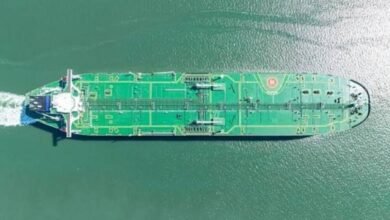
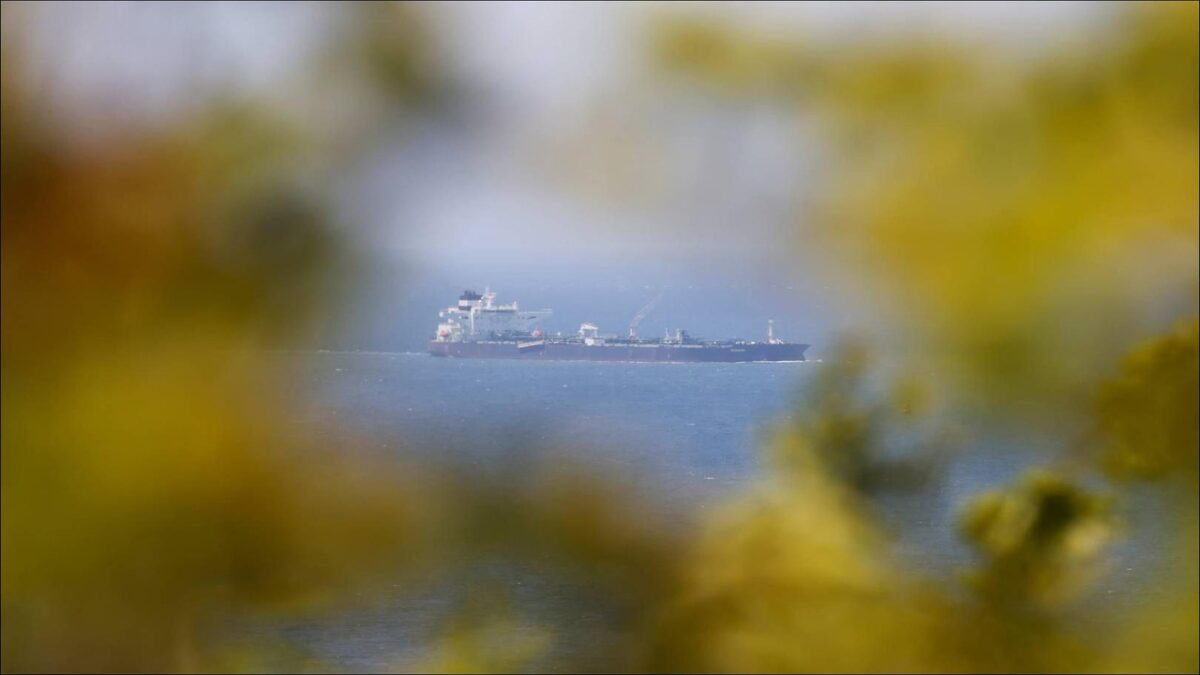
In a significant development reshaping global energy trade, Gulf states are increasingly shipping oil through Hormuz on unmarked tankers, employing covert tactics to navigate the critical waterway. Recent reports from Bloomberg indicate a surge in such clandestine maritime operations, where several Middle Eastern oil producers are dispatching state-owned tankers through the Strait of Hormuz with their transponders deactivated and navigation lights extinguished. These vessels then rendezvous with other ships on the high seas, often off the coast of Oman, to transfer their crude oil cargoes. This practice, shrouded in discreet maneuvering, has become a notable feature of regional oil exports, raising questions about maritime security, market transparency, and geopolitical strategies in one of the world’s most vital shipping arteries. The shift underscores a complex interplay of economic imperatives and regional tensions, influencing the global flow of crude oil. The number of large non-Iranian tankers observed in the Gulf has reportedly decreased from approximately 160 in early April to around 90 by the end of May, suggesting a significant adaptation in regional shipping patterns and a growing reliance on less conspicuous transport methods for their valuable energy shipments.
The Strategic Pivot: Unmarked Tankers and Covert Exports
The decision by Gulf states to utilize unmarked tankers for oil exports from the Persian Gulf signifies a calculated strategic pivot in their maritime operations. This involves vessels, predominantly state-owned, traversing the Strait of Hormuz with their Automatic Identification System (AIS) transponders intentionally switched off. This renders them invisible to standard tracking systems, effectively turning them into ‘dark’ ships. The oil is subsequently transferred to other vessels in ship-to-ship (STS) operations conducted in international waters, often with reported assistance from the US Navy, as Bloomberg suggests. This methodology allows producers to maintain significant export volumes while potentially sidestepping heightened scrutiny or mitigating perceived risks associated with overt transit through a region often fraught with geopolitical tensions. Such covert shipping practices introduce a new layer of complexity to the already intricate dynamics of Middle Eastern energy supplies.
The implications of such a strategy are multifaceted, affecting everything from maritime insurance premiums to international surveillance efforts. By operating without conventional identification, these unmarked oil tankers present a unique challenge to global maritime governance and transparency initiatives. While the immediate motivation appears to be maintaining consistent crude oil transport levels and potentially avoiding specific sanctions or political pressures, the long-term ramifications for shipping safety and regulatory compliance are considerable. The increase in these stealth voyages highlights a broader trend of nations adapting their trade practices in response to evolving geopolitical landscapes and security concerns within crucial maritime choke points. This approach could redefine standard operating procedures for energy shipments within the Strait of Hormuz corridor.
Navigating the Strait: Security and Geopolitical Tensions
The Strait of Hormuz, a narrow passage between the Persian Gulf and the Arabian Sea, remains an indispensable conduit for approximately one-fifth of the world’s total petroleum consumption. Its strategic importance makes any alteration in shipping practices, especially those involving invisibility, a subject of intense international interest and concern for maritime security. The deployment of unmarked vessels, while potentially offering immediate tactical advantages to exporting nations, inherently complicates efforts to monitor and ensure the safety of this vital waterway. Incidents involving unidentified ships could lead to misinterpretations, escalate regional tensions, or even result in accidents, posing significant risks to personnel, cargo, and the marine environment.
Moreover, the reported involvement of the US Navy in facilitating some of these transfers adds another intriguing dimension to these covert operations. While the precise nature and extent of this assistance remain subject to interpretation, it suggests a level of tacit, or perhaps explicit, international understanding or accommodation for these extraordinary measures. Such arrangements could be perceived as efforts to stabilize global oil supplies amidst regional instability, yet they also underscore the fragility of conventional maritime norms when confronted with strategic geopolitical imperatives. The ongoing reliance on covert shipping methodologies in such a sensitive region points to a continued landscape of uncertainty and the need for adaptable and robust maritime operations frameworks.
Economic Impact and Market Transparency Challenges
From an economic perspective, the increased use of unmarked tankers for Gulf states shipping oil could have a profound impact on global energy markets. While the immediate effect might be to ensure a stable supply of crude oil, thus potentially mitigating price spikes, the lack of transparency in these maritime exports introduces considerable market opacity. Tracking the true volume and origin of oil entering the market becomes significantly more challenging, complicating analyses for traders, investors, and policymakers alike. This lack of clear data can lead to increased volatility and uncertainty, making it harder to predict supply-side shifts or respond effectively to market disruptions.
Furthermore, the practice could influence pricing mechanisms and insurance costs for all vessels transiting the Persian Gulf trade routes. As risks associated with unidentified ships potentially rise, insurance premiums for conventional, fully compliant tankers might also increase, adding to the overall cost of crude oil transport. This creates an uneven playing field and could put legitimate shipping companies at a disadvantage. The motivations behind these stealth shipments are likely a mix of economic necessity, such as maintaining revenue streams, and geopolitical strategy, perhaps aimed at circumventing certain restrictions or projecting a specific image of resilience in the face of external pressures. Understanding these complex motivations is key to deciphering the future of energy trade in this region.
Future Outlook: Adapting to a New Normal in Oil Shipping
The sustained use of unmarked tankers by Gulf states for shipping oil through Hormuz could signal a new normal for energy transport in the region. This evolving landscape will necessitate significant adaptations from international regulatory bodies, maritime security forces, and market participants. Enhanced surveillance technologies, including satellite imagery and advanced radar systems, may become even more critical for monitoring vessel movements and ensuring compliance with international law. Discussions around the legality and ethical implications of operating ‘dark’ ships, even when perceived as a national necessity, are likely to intensify on global platforms.
Looking ahead, the long-term implications of these dark voyages extend beyond immediate oil supply and demand. They challenge the very principles of transparency and cooperation that underpin global maritime commerce. Stakeholders will need to explore solutions that balance national security interests with the imperative for safe, secure, and transparent shipping routes. Whether through multilateral agreements, technological innovations in vessel tracking, or revised international maritime codes, the global community must adapt to these new, covert practices. The future of Gulf states shipping oil will undoubtedly remain a focal point for international relations and energy markets, demanding continuous monitoring and strategic responses to ensure stability in this vital artery of global trade and energy shipments.