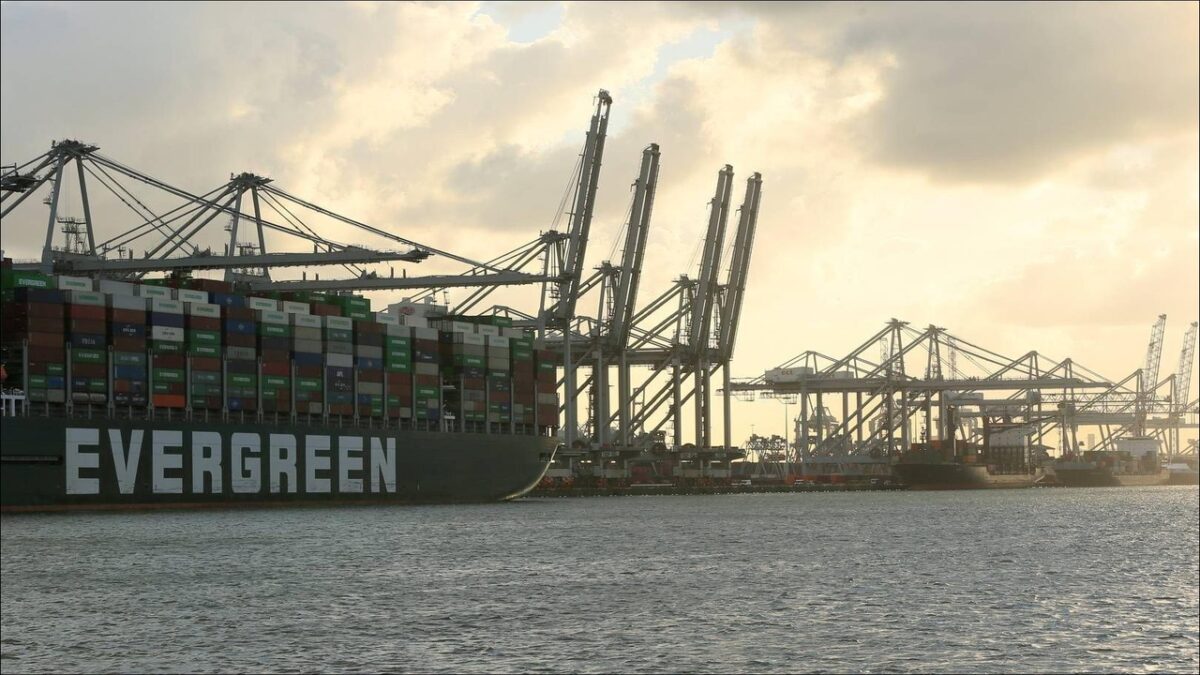
Port of Rotterdam Expands Reefer & Frozen Logistics | Mariner News
The Port of Rotterdam, Europe’s largest port, is significantly bolstering its capacity for temperature-controlled cargo with a massive expansion dedicated to reefer and frozen logistics. This strategic move, announced by the Port of Rotterdam Authority in collaboration with Necron Group and PTP Group, involves the development of 38 hectares of new logistics infrastructure within the Europoort area. This ambitious project is poised to solidify Rotterdam’s pivotal role as a primary gateway for Europe’s vast agrifood market, ensuring efficient handling and distribution of chilled and frozen products across the continent and beyond.
The increasing global demand for fresh and frozen foodstuffs, coupled with the complexities of international supply chains, underscores the critical importance of such an investment. The new facilities will primarily focus on the storage and transshipment of diverse chilled and frozen agrifood products, ranging from fresh produce and meats to processed foods and pharmaceuticals requiring stringent temperature control. This expansion is not merely about adding space; it represents a forward-thinking commitment to enhancing the efficiency, reliability, and sustainability of the cold chain, a vital component of modern trade.
This development comes at a time when ports worldwide are striving to adapt to evolving trade patterns and consumer expectations. By proactively expanding its reefer and frozen logistics capabilities, the Port of Rotterdam is positioning itself at the forefront of the global cold chain industry, ready to meet the future demands of a rapidly changing world. The investment reinforces the port’s reputation as an innovation leader and a crucial hub for international maritime trade, especially for perishable goods that require specialized handling and swift transit.
A Strategic Leap in Temperature-Controlled Logistics
The 38-hectare development in Europoort marks a significant strategic leap for the Port of Rotterdam. This expansive site will be transformed into a state-of-the-art logistics park, purpose-built for the intricate demands of reefer and frozen cargo. The collaboration between the Port of Rotterdam Authority, Necron Group, a real estate developer, and PTP Group, a specialist in port logistics, brings together essential expertise to ensure the project’s success and its long-term viability. This partnership is designed to create a comprehensive ecosystem for temperature-sensitive goods, from advanced warehousing to efficient multimodal transport connections.
Europoort, already a critical industrial and logistics zone within the port complex, offers excellent connectivity to major European distribution networks by road, rail, and inland waterways. This strategic location minimizes transit times and optimizes supply chain efficiency, directly benefiting importers and exporters of perishable items. The new infrastructure will feature highly automated cold storage facilities, precise temperature monitoring systems, and advanced material handling equipment to ensure product integrity from arrival to departure. This dedicated focus will enable faster turnaround times and reduced spoilage, key factors in the competitive agrifood sector.
Furthermore, the design and implementation of these new facilities will incorporate cutting-edge technologies to maximize operational efficiency and minimize environmental impact. This commitment to innovation ensures that the Port of Rotterdam not only meets but exceeds current industry standards for cold chain logistics. The integrated approach to development, encompassing planning, construction, and future operations, aims to create a resilient and adaptable logistics hub capable of serving a diverse range of clients and product types within the reefer and frozen segments. This concerted effort underscores Rotterdam’s ambition to remain Europe’s leading port for specialized cargo.
Enhancing Europe’s Agrifood Gateway Capabilities
Rotterdam’s expansion in reefer logistics is set to significantly enhance its capabilities as Europe’s premier agrifood gateway. For years, the Port of Rotterdam has served as a vital entry point for fresh produce, meats, fish, and other food products destined for European markets. This new development will consolidate and amplify that role, providing unparalleled capacity and efficiency for the ever-growing volume of international food trade. The ability to handle larger quantities of chilled and frozen goods more swiftly and reliably is crucial for maintaining a stable and secure food supply across Europe.
Efficient cold chain logistics are paramount for the agrifood sector, where product quality and safety are directly linked to precise temperature control. Any disruption or inefficiency in the cold chain can lead to significant economic losses and potential health risks. The Port of Rotterdam’s investment ensures a robust and seamless transition of perishable goods from vessel to consumer, reducing transit times and improving overall supply chain resilience. This proactive measure strengthens Europe’s ability to import and export high-quality food products, supporting both producers and consumers.
Beyond just handling capacity, the expansion also fosters an environment for value-added services such as customs clearance, quality inspections, packaging, and distribution tailored specifically for agrifood products. By centralizing these services at Europoort, the port offers a comprehensive solution for companies involved in the food industry, simplifying complex logistics processes. This integrated approach not only makes Rotterdam more attractive to global food traders but also reinforces its position as a strategic partner in the global food supply chain, directly impacting food security and market stability across the continent.
The Growing Demand for Chilled and Frozen Cargo
The global market for chilled and frozen cargo has been experiencing consistent growth, driven by several interconnected factors. Rising populations, evolving consumer preferences for diverse and year-round availability of fresh produce, and the expansion of international trade agreements have all contributed to an increased demand for specialized cold chain solutions. Furthermore, the burgeoning e-commerce sector for groceries and meal kits, alongside a growing need for temperature-controlled pharmaceutical logistics, adds further impetus to this trend. This expansion at the Port of Rotterdam directly addresses these market dynamics.
Handling temperature-sensitive cargo presents unique challenges, including the need for specialized equipment, stringent regulatory compliance, and robust energy infrastructure. The new facilities in Europoort are designed to tackle these complexities head-on, offering advanced technological solutions for precise temperature management and optimized cargo flow. From ultra-low temperature freezers to multi-temperature storage zones, the infrastructure will be versatile enough to accommodate a wide array of products, ensuring their quality and extending their shelf life during transit and storage. This versatility is key to catering to a diverse global client base.
Moreover, the pandemic highlighted the vulnerabilities of global supply chains and underscored the critical importance of resilient logistics networks for essential goods, including food and medicine. Investments in robust cold chain infrastructure, like the one in Rotterdam, are vital for future-proofing trade flows against unforeseen disruptions. By increasing its capacity for frozen and reefer logistics, the port is not only responding to current demand but also proactively building a more secure and efficient pathway for vital supplies, cementing its role as a crucial node in international trade routes for temperature-sensitive commodities.
State-of-the-Art Infrastructure and Sustainability Focus
The development plan for the 38-hectare site in Europoort emphasizes state-of-the-art infrastructure combined with a strong focus on sustainability. The new logistics park will feature highly energy-efficient cold storage warehouses utilizing advanced insulation techniques and environmentally friendly refrigeration systems. Plans likely include the integration of renewable energy sources, such as solar panels, to power parts of the facility, significantly reducing its carbon footprint. This commitment aligns with global efforts to decarbonize the shipping and logistics industries, making the Port of Rotterdam a leader in sustainable port development.
Modern handling equipment, including electric forklifts and automated guided vehicles (AGVs), will be deployed to optimize operational efficiency while minimizing emissions and noise pollution. The layout of the logistics park will also prioritize seamless intermodal connections, allowing for efficient transfer of goods between sea, rail, and road transport. This multimodal approach not only reduces road congestion but also lowers overall transportation emissions, contributing to a greener supply chain. The integration of digital technologies, such as IoT sensors and real-time tracking systems, will further enhance operational transparency and responsiveness.
Beyond the physical infrastructure, the project is expected to implement best practices in waste management, water conservation, and biodiversity protection. The Port of Rotterdam Authority is renowned for its commitment to environmental stewardship, and this expansion will undoubtedly reflect those values. By investing in green technologies and sustainable operational models, the new reefer and frozen logistics hub will serve as a benchmark for future port developments, demonstrating that economic growth and environmental responsibility can go hand in hand, benefiting both the local community and the global environment.
Economic Impact and Future Outlook for Maritime Trade
This significant expansion of reefer and frozen logistics at the Port of Rotterdam is projected to have a substantial positive economic impact on the region and the broader European economy. The construction phase alone will generate numerous jobs, from skilled laborers to project managers. Once operational, the new logistics park will create a considerable number of permanent positions in warehousing, cold chain management, transportation, and administrative support, providing valuable employment opportunities and stimulating local economic growth. The increased cargo volumes will also benefit a wide array of ancillary services, from customs brokerage to security.
In the competitive landscape of European ports, this expansion further solidifies Rotterdam’s competitive edge. While other major ports like Hamburg and Antwerp also handle significant volumes of temperature-controlled cargo, Rotterdam’s dedicated 38-hectare development represents a concentrated and future-oriented investment that sets it apart. This strategic move is expected to attract new shipping lines and logistics providers, further increasing trade flows and enhancing the port’s overall economic vibrancy. It underscores Rotterdam’s ambition to not just maintain its position but to actively grow its market share in specialized cargo segments.
The long-term outlook for maritime trade, particularly in temperature-controlled goods, remains robust. Factors such as continued globalization, population growth, and the increasing complexity of international food supply chains suggest sustained demand for sophisticated reefer and frozen logistics infrastructure. The Port of Rotterdam’s investment is a forward-looking response to these trends, ensuring it remains a vital artery in the global trade network. This expansion is not merely an upgrade; it is a fundamental enhancement of Europe’s critical cold chain infrastructure, promising greater efficiency, resilience, and sustainability for years to come.