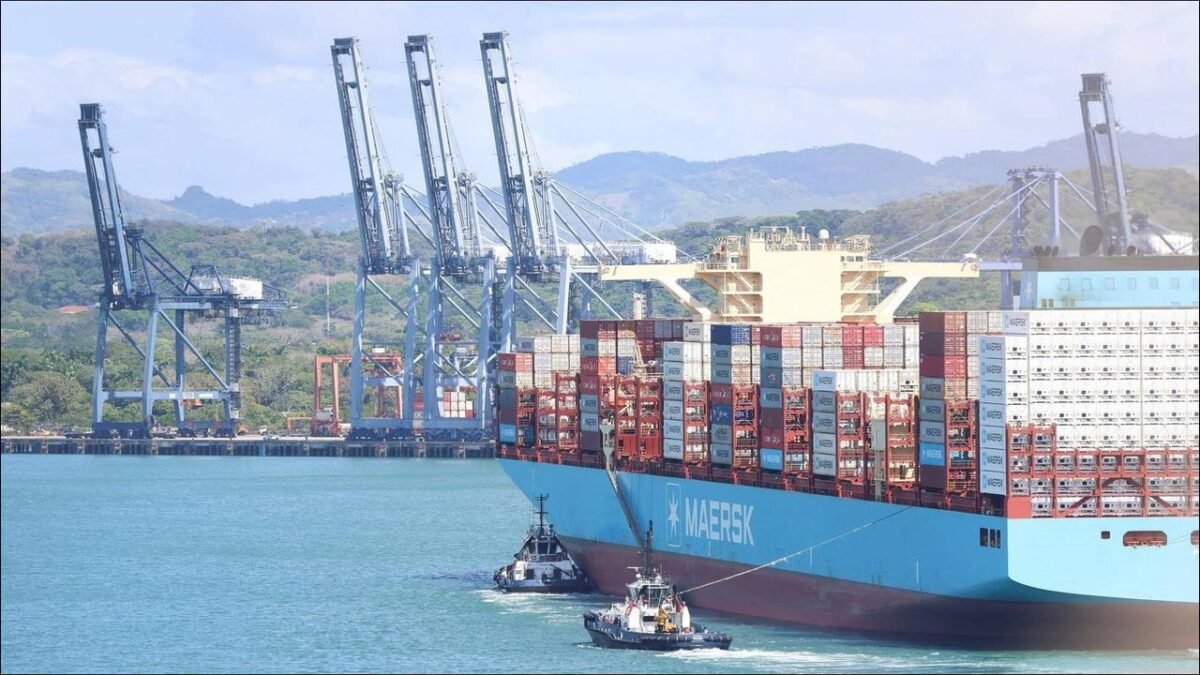
Panama Canal Ship Draft Restrictions Due to El Niño | Mariner News
Panama Canal Imposes Critical Ship Draft Restrictions Amid El Niño
The Panama Canal, a vital artery for global maritime trade, is once again facing significant operational challenges as it imposes severe restrictions on ship draft. This critical development stems from the persistent El Niño weather phenomenon, which has led to unusually low water levels within the canal’s intricate lock system. The impact of these Panama Canal restrictions on ship draft reverberates across the entire shipping industry, affecting everything from container vessels to bulk carriers and tankers, causing widespread disruptions, increased transit times, and mounting operational costs for shipping lines worldwide. This situation underscores the delicate balance between natural climate patterns and the resilience of essential global infrastructure.
The Panama Canal Authority (ACP) has been closely monitoring the situation, implementing progressive draft restrictions to manage the dwindling water reserves in Gatun Lake, the artificial reservoir crucial for canal operations. El Niño typically brings warmer ocean temperatures and altered weather patterns, often resulting in reduced rainfall in Central America. This scarcity of precipitation directly impacts the Chagres River, which feeds Gatun Lake, causing water levels to drop significantly below seasonal averages. Consequently, vessels must reduce the amount of cargo they carry, lighten their load, or face potential delays and rerouting, fundamentally altering established shipping schedules and supply chain logistics.
The El Niño Phenomenon and its Hydrological Impact
El Niño, a recurring climate pattern originating in the Pacific Ocean, is the primary antagonist in the current Panama Canal crisis. Characterized by the warming of ocean surface temperatures in the central and eastern tropical Pacific, El Niño events significantly alter global weather systems. For the Panama region, this often translates into prolonged dry seasons and a substantial reduction in rainfall. The canal relies heavily on freshwater from Gatun Lake, which is replenished by rainfall, to operate its locks. Each transit through the canal consumes massive volumes of freshwater, roughly 50 million gallons per vessel, which are then discharged into the sea.
The diminishing rainfall associated with El Niño means that the natural replenishment of Gatun Lake is severely hampered. This creates a critical hydrological deficit, pushing the lake’s water levels to unprecedented lows. The lake not only facilitates the movement of ships but also supplies drinking water for Panama City and Colón. The dual demand places immense pressure on this finite resource, forcing the ACP to prioritize and implement conservation measures. The long-term implications of these recurring climate events highlight the vulnerability of crucial global infrastructure to environmental shifts.
Understanding Ship Draft and Operational Limitations
Ship draft refers to the vertical distance between the waterline and the bottom of the hull, indicating how deep a vessel sits in the water. It is a critical parameter for safe navigation, especially in channels with limited depth like the Panama Canal. When draft restrictions are imposed, it means ships are required to reduce their draft, typically by offloading cargo or fuel, to safely traverse the shallower sections of the canal and its lock chambers.
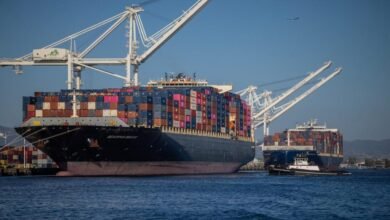
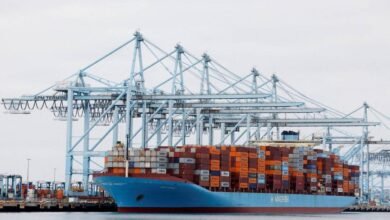
These restrictions directly limit the maximum weight a vessel can carry, thereby reducing its cargo capacity. For a large container ship, for example, a reduction of even a few feet in permissible draft can translate into thousands of fewer containers being transported. This has immediate financial ramifications for shipping companies, which either incur costs for transshipment or lightering operations (transferring cargo to smaller vessels), or opt for longer, more expensive alternative routes. The operational bottlenecks caused by these draft limitations create a domino effect throughout the maritime industry, leading to increased pressure on existing vessel capacity and ultimately impacting global trade flows.
Widespread Consequences for Global Shipping and Supply Chains
The ripple effects of the Panama Canal restrictions are far-reaching, extending across continents and impacting various segments of global shipping. For container shipping, which relies heavily on the canal for efficient East-West trade routes, the delays and capacity reductions lead to schedule disruptions and potential port congestion at either end. Companies are forced to make difficult decisions: pay premium transit fees, wait in lengthy queues, or divert vessels around South America via the Cape of Good Hope, adding thousands of nautical miles and weeks to transit times.
Bulk carriers and tanker vessels, also frequent users of the canal, face similar dilemmas. Agricultural commodities, minerals, and petroleum products that typically traverse the canal now encounter significant hurdles. The increased transit times and higher fuel consumption from rerouting directly translate into elevated operational costs for carriers, which are often passed on to consumers through higher freight rates. This exacerbates inflationary pressures in various economies and disrupts the just-in-time supply chains that have become the bedrock of modern manufacturing and retail.
Economic Repercussions and Freight Market Volatility
The economic fallout from the Panama Canal’s reduced capacity is substantial. Higher freight costs are an immediate consequence, impacting importers and exporters globally. Businesses that rely on the canal for cost-effective and timely delivery of goods find their margins squeezed and their competitiveness challenged. For sectors like agriculture, where perishable goods need prompt delivery, delays can lead to spoilage and significant financial losses. The unpredictability introduced by these restrictions also makes long-term planning difficult for logistics managers and supply chain professionals.
Moreover, the diversion of vessels to alternative routes, particularly the Suez Canal or the longer route around Africa, places additional strain on those maritime corridors. This can lead to increased traffic and potential congestion elsewhere, further disrupting global maritime trade networks. The volatility in freight markets, already sensitive to geopolitical events and economic shifts, is amplified by the uncertainty surrounding the canal’s operational capacity, leading to price spikes and market instability.
Operational Adjustments and Industry Responses
In response to the Panama Canal restrictions, shipping companies are implementing a range of operational adjustments. Some vessels are resorting to ‘lightering,’ where a portion of their cargo is offloaded onto smaller ships either before or after canal transit, to meet draft requirements. This process is time-consuming and adds significant logistical complexity and cost. Others are opting for alternative intermodal routes, utilizing land bridges or rail services across Central America to move cargo, though these options are limited in capacity and suitability for all types of goods.
Major shipping lines are also actively rerouting vessels, primarily directing them around the southern tip of Africa, a journey that can add 10-14 days to transit times. This not only increases fuel consumption and carbon emissions but also pushes vessels further off their planned schedules, creating a backlog that affects subsequent port calls and overall network efficiency. The maritime industry is demonstrating remarkable adaptability, yet these workarounds come at a considerable price, impacting both profitability and environmental sustainability goals.
Long-Term Outlook and Sustainability Considerations
Given the recurring nature of El Niño and the increasing frequency of extreme weather events, the long-term outlook for the Panama Canal and global shipping remains a significant concern. The current situation serves as a stark reminder of how climate change and environmental factors can directly impinge upon critical trade infrastructure. The ACP has invested in water-saving basins for the newer Neopanamax locks, but even these innovations struggle against prolonged droughts.
Future solutions may involve significant infrastructure investments, such as new reservoir projects or advanced water management systems, to enhance the canal’s resilience. However, these are complex and costly endeavors. Furthermore, the reliance on freshwater for canal operations highlights the broader need for global industries to integrate climate resilience into their strategic planning. The maritime sector, in particular, must continue to explore more sustainable practices and diversify its logistical strategies to mitigate the impacts of such environmental challenges, ensuring the continued flow of goods and stability of global supply chains for decades to come.
The ongoing Panama Canal restrictions are more than just a temporary inconvenience; they represent a significant litmus test for the adaptability and foresight of the global shipping industry. As El Niño continues to influence weather patterns, the maritime world must remain agile, innovate, and collaborate to navigate these turbulent waters and safeguard the arteries of international trade. The lessons learned from these disruptions will undoubtedly shape future strategies for logistics, infrastructure development, and environmental stewardship within the vital sector of global shipping.