PSA Singapore Capacity Struggles: Addressing Port Congestion | Mariner News
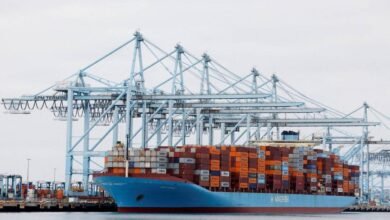
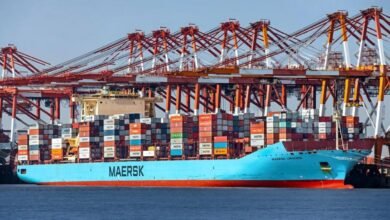
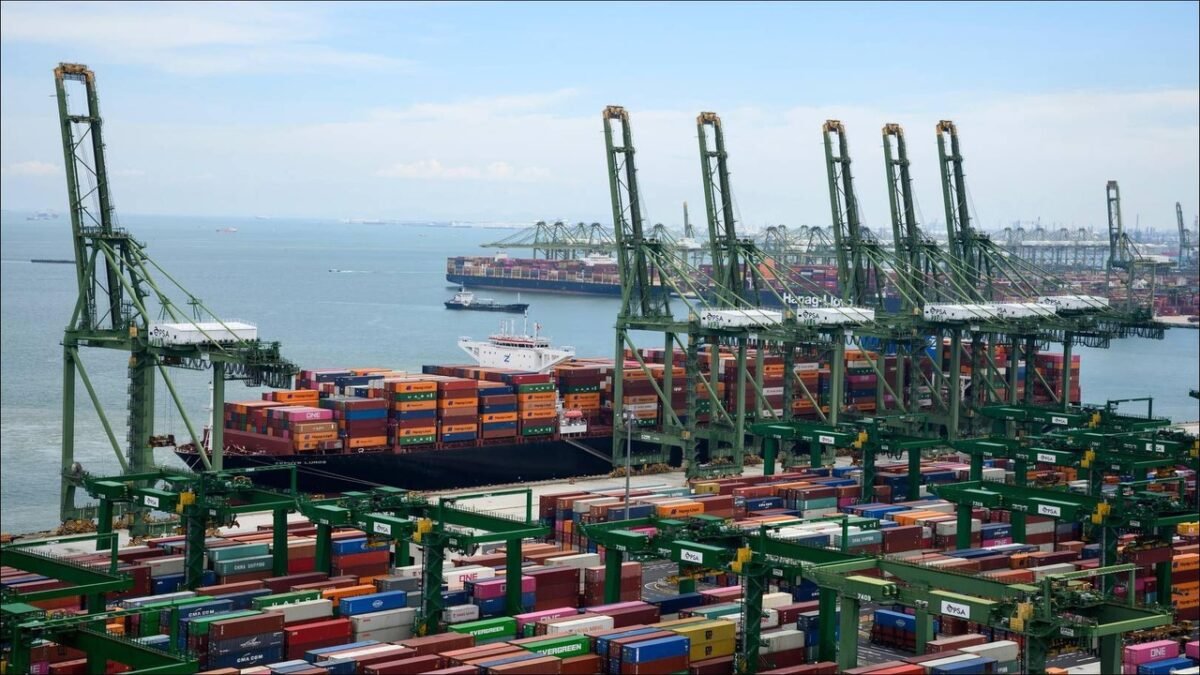
PSA Singapore, a cornerstone of global maritime trade, faces unprecedented challenges as its current capacity struggles to keep pace with soaring demand. Today, the sentiment among many customers is that the available capacity is far from enough to guarantee the smooth, efficient flow of goods they have come to expect. This critical hub, known for its strategic location and operational excellence, is grappling with a surge in container volumes, leading to significant port congestion and extended waiting times that ripple across international supply chains. Understanding the complexities behind this issue, from demand-side pressures to infrastructural limitations and operational dynamics, is crucial for anyone involved in global shipping and logistics. The current situation demands innovative solutions and strategic foresight to maintain Singapore’s pivotal role as a leading transshipment hub.
The Unprecedented Surge: What’s Driving PSA Singapore Capacity Strain?
The strain on PSA Singapore capacity is not an isolated phenomenon but rather a confluence of global and regional factors. Following the initial disruptions of the pandemic, a robust rebound in consumer demand, particularly from Western economies, led to an immense surge in containerized cargo. This ‘bullwhip effect’ meant that shipping lines faced extraordinary pressure to transport goods, resulting in larger vessels and increased frequencies. However, this surge has been met with a system still recovering from various disruptions, including labor shortages at ports worldwide, equipment imbalances, and unforeseen geopolitical events that have altered traditional shipping routes. The sheer volume of vessels arriving at Singapore’s berths often exceeds the port’s immediate handling capabilities, creating bottlenecks that manifest as longer dwell times for ships and cargo. Furthermore, the global shipping industry has seen a trend towards ‘vessel bunching,’ where ships arrive in clusters rather than a steady flow, further exacerbating the port congestion problem and putting immense pressure on terminal operations.
Compounding these demand-side pressures are challenges related to the intricate dance of maritime logistics. The turnaround time for vessels at anchorage has increased, directly impacting schedule reliability and leading to a cascading effect across the entire network. When ships are delayed at one port, their subsequent arrival times at downline ports are also affected, perpetuating cycles of congestion. This lack of predictability makes planning incredibly difficult for shipping lines, forwarders, and ultimately, the cargo owners. While PSA Singapore prides itself on its high efficiency, even world-class operations can be overwhelmed when the volume of incoming traffic consistently surpasses the optimal processing rate. Addressing this capacity strain requires not just more space, but smarter operational strategies and robust digital integration to optimize every facet of the container handling process.
Ripple Effects: How Port Congestion Impacts Global Supply Chains
The implications of strained PSA Singapore capacity extend far beyond the immediate confines of the port. As one of the world’s busiest transshipment hubs, delays in Singapore send shockwaves through the entire global supply chain. For businesses, this translates directly into increased freight costs due to surcharges, longer lead times for products, and reduced inventory predictability. Manufacturers awaiting critical components face production delays, while retailers struggle to keep shelves stocked, ultimately affecting consumer prices and satisfaction. The reliability of the global supply chain, a cornerstone of modern commerce, is significantly undermined when a key node like Singapore experiences persistent container shipping delays.
Moreover, the pressure on PSA Singapore capacity can force shipping lines to make difficult decisions, such as omitting calls or diverting vessels to less congested, but potentially less efficient, alternative ports. While this might temporarily alleviate pressure at Singapore, it often creates new bottlenecks elsewhere, leading to additional costs and longer transit times for cargo. Such diversions disrupt established logistics networks, adding complexity and uncertainty for shippers who rely on consistent service. The cumulative effect is a loss of efficiency and increased operational expenditure across the board, pushing up the price of goods and contributing to inflationary pressures. Businesses that depend heavily on timely deliveries, from e-commerce giants to automotive manufacturers, find their carefully constructed logistics strategies severely tested by these unpredictable delays and increased maritime logistics costs. The need for enhanced port efficiency and resilience has never been more apparent.
PSA Singapore’s Strategic Response: Expanding Capacity and Embracing Innovation
Recognizing the critical importance of addressing the current PSA Singapore capacity challenges, the port authority and PSA International have embarked on an ambitious program of expansion and technological innovation. The centerpiece of this strategy is the Tuas Port development, a mega-port project designed to consolidate PSA’s operations and significantly boost its container handling capabilities. Tuas Port, envisioned as the world’s largest fully automated port, is being developed in several phases, with each phase progressively adding substantial capacity. Once completed, Tuas Port will boast an annual handling capacity of 65 million TEUs (Twenty-foot Equivalent Units), a significant increase from current levels, and is designed to handle the largest container vessels currently in operation and those expected in the future.
Beyond physical expansion, PSA Singapore is heavily investing in cutting-edge technology to enhance operational efficiency and future-proof its facilities. Automation is a key pillar, with automated guided vehicles (AGVs), automated rail-mounted gantry cranes (ARMGs), and intelligent process automation being deployed across terminals. These technologies reduce reliance on manual labor, improve turnaround times, and allow for 24/7 operations with greater precision and safety. Furthermore, the port is leveraging data analytics and artificial intelligence to optimize berth allocation, yard planning, and vessel scheduling, aiming to anticipate and mitigate potential bottlenecks before they occur. These smart port initiatives are crucial for improving overall port efficiency and ensuring that future increases in container shipping volumes can be managed seamlessly. The integration of digital platforms also facilitates better information exchange between stakeholders, from shipping lines to cargo owners, providing greater transparency and predictability in the supply chain.
Looking Ahead: Building a Resilient and Sustainable Maritime Future
The challenges currently facing PSA Singapore capacity underscore a broader need for resilience and sustainability in the global maritime industry. As trade volumes continue to grow and supply chains become increasingly complex, ports must not only expand but also evolve to adapt to new demands and unforeseen disruptions. For Singapore, this means not just physical expansion at Tuas Port, but also a commitment to developing greener port operations. The integration of renewable energy sources, the use of electric vehicles and equipment, and the exploration of alternative fuels for bunkering are all part of Singapore’s vision for a sustainable maritime future. These initiatives not only reduce the environmental footprint of port operations but also align with global efforts to decarbonize the shipping sector.
Furthermore, fostering greater collaboration across the maritime ecosystem is paramount. This includes closer partnerships between port authorities, shipping lines, logistics providers, and technology developers to create more integrated and responsive supply chain solutions. The lessons learned from the current capacity crunch will undoubtedly inform future planning, emphasizing the importance of diversified logistics strategies and flexible operational models. As PSA Singapore continues its journey towards full automation and enhanced capacity at Tuas Port, its ability to integrate these technological advancements with sustainable practices and collaborative frameworks will be key to maintaining its competitive edge and ensuring it can consistently meet and exceed customer expectations in an ever-changing global trade landscape. The continuous evolution of PSA Singapore capacity and operational excellence remains vital for global commerce and Singapore’s economic prosperity.