Samsung Heavy Secures $726M Multi-Vessel Order | Mariner News
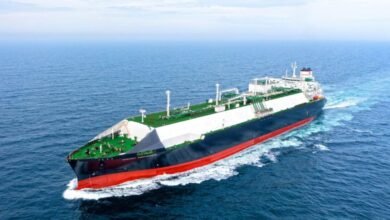
Samsung Heavy Industries (SHI) has once again demonstrated its formidable capabilities in the global shipbuilding arena, securing a significant five-vessel order worth approximately 1 trillion 1.8 billion won, or about $726 million. This substantial shipbuilding contract, announced by SHI on May 27, involves a diverse package of vessels destined for a single, Bermuda-based shipping company. The order includes one state-of-the-art LNG carrier, two very large gas carriers (VLGCs), and two crude oil tankers, showcasing the South Korean shipyard’s versatility and expertise across various high-value vessel segments. This strategic procurement not only reinforces SHI’s strong market position but also highlights the ongoing demand for specialized and efficient maritime transport solutions globally.
The securing of this five-vessel order package is particularly noteworthy because it is uncommon for a shipowner to simultaneously place orders for multiple, distinct vessel types with a single shipyard. An official from Samsung Heavy Industries emphasized this unique aspect, stating the company’s intent to “maximize profitability in high-value vessel types and production stability and efficiency in standardized vessel types.” This approach underscores SHI’s strategic vision to leverage its technological superiority in complex builds like LNG carriers and VLGCs, while also maintaining consistent workflow and efficiency in more conventional tanker constructions. The diverse nature of this order reflects a broader trend in the maritime industry where shipping companies seek to optimize their fleets for varying cargo demands and market conditions, relying on trusted shipbuilders like SHI to deliver across multiple categories.
A Strategic Diversification in Shipbuilding Contracts
The details of this multi-vessel contract reveal a carefully calculated strategy by both the shipowner and Samsung Heavy Industries. The inclusion of an LNG carrier, two VLGCs, and two crude oil tankers within a single agreement speaks volumes about the diverse needs of modern global shipping. LNG carriers are at the forefront of the energy transition, facilitating the transport of liquefied natural gas to power generation facilities worldwide, a critical component of global energy security. VLGCs, on the other hand, are crucial for the efficient transport of liquefied petroleum gas (LPG), serving various industrial and residential needs across continents. Meanwhile, crude oil tankers remain indispensable for the global movement of crude petroleum, forming the backbone of traditional energy supply chains.
This blend of specialized gas carriers and conventional crude oil tankers allows the Bermuda-based client to expand and modernize its fleet across key energy shipping segments simultaneously. For SHI, it represents an opportunity to showcase its comprehensive shipbuilding prowess, from the intricate engineering required for cryogenic cargo containment in LNG and VLGC vessels to the robust construction standards necessary for large crude oil carriers. This diversification in shipbuilding contracts is a testament to SHI’s adaptive manufacturing processes and its ability to meet stringent technical and operational requirements for a wide array of maritime assets. The strategic significance of this order extends beyond its monetary value, solidifying SHI’s reputation as a reliable and versatile partner for complex fleet renewal and expansion projects in the highly competitive maritime market.
Samsung Heavy Industries’ Strong Order Intake Momentum
This latest vessel order significantly boosts Samsung Heavy Industries’ already impressive cumulative order intake for the year. As of May 27, SHI’s orderbook for the current year stands at a remarkable 27 vessels, totaling an approximate value of $5.4 billion. This robust performance demonstrates a strong recovery and sustained demand in the global shipbuilding sector, particularly for high-specification vessels. The breakdown of these orders further illustrates SHI’s diversified portfolio and market leadership: 13 LNG carriers (including one LNG-FSRU), two ethane carriers, four gas carriers (which would include VLGCs), two container carriers, and six crude oil tankers.
Such a consistent flow of orders, especially for advanced LNG carrier and VLGC types, underscores SHI’s technological edge and its ability to attract high-value contracts. The global demand for gas carriers, fueled by increasing energy consumption and the shift towards cleaner fuels, continues to drive new build orders. Similarly, the ongoing need for efficient crude oil transportation ensures a steady market for tankers. SHI’s ability to capture significant market share across these segments points to its operational efficiency, advanced shipyard facilities, and a reputation for delivering quality vessels on time and within budget. This momentum not only secures future revenue streams for SHI but also contributes significantly to the economic vitality of South Korea’s shipbuilding industry.
Maximizing Profitability and Operational Efficiency
Samsung Heavy Industries’ strategic approach, as articulated by their official, focuses on maximizing profitability from high-value vessel types while ensuring production stability and efficiency in standardized constructions. High-value vessels like LNG carriers and VLGCs typically command higher prices due to their complex design, specialized cargo containment systems, and advanced propulsion technologies, often including dual-fuel or alternative fuel capabilities. These projects require significant R&D investment and highly skilled labor, offering better profit margins. By consistently winning orders for these sophisticated newbuilds, SHI solidifies its position as a technological leader and a preferred partner for complex maritime projects.
Conversely, the inclusion of standardized vessel types such as crude oil tankers allows SHI to optimize its production lines, ensuring consistent workload for its workforce and maximizing resource utilization. The experience gained from building numerous crude oil tankers enables SHI to achieve economies of scale and streamline construction processes, leading to enhanced efficiency and cost-effectiveness. This dual strategy – pursuing high-margin, technologically advanced projects alongside more standardized, volume-driven contracts – provides a balanced and resilient business model. It allows SHI to navigate market fluctuations, maintain a competitive edge in the maritime industry, and ensure sustainable growth in a dynamic global environment.
Impact on the Global Shipping and Energy Sectors
The securing of this substantial five-vessel order by Samsung Heavy Industries carries significant implications for both the global shipping and energy sectors. The addition of new LNG carriers and VLGCs to the world fleet directly supports the increasing demand for natural gas and LPG, vital energy sources that play a crucial role in global energy security and the transition towards cleaner fuels. As countries worldwide seek to reduce carbon emissions, natural gas is often seen as a bridge fuel, driving the need for more efficient and environmentally compliant gas transport vessels. Similarly, the new crude oil tankers will contribute to the reliable supply of petroleum, underpinning global industrial activity and consumer markets.
This influx of modern newbuilds also signals ongoing confidence in long-term global trade patterns and energy demand. For the broader shipbuilding market, SHI’s success reinforces the competitive landscape, particularly among South Korean shipyards which continue to dominate segments requiring advanced technology and precision engineering. The investment by a Bermuda-based shipping company in such a diverse fleet indicates a strategic move to capitalize on anticipated shifts in commodity flows and trade routes. Ultimately, these new vessels will enhance the efficiency, safety, and environmental performance of the global merchant fleet, contributing to more sustainable and robust supply chains across the world’s oceans. The order is a clear indicator of the robust health and forward momentum within key segments of the international shipping community, driven by the expertise of industry leaders like Samsung Heavy Industries.