Safe Bulkers Takes Delivery of Methanol Dual-Fuel Kamsarmax
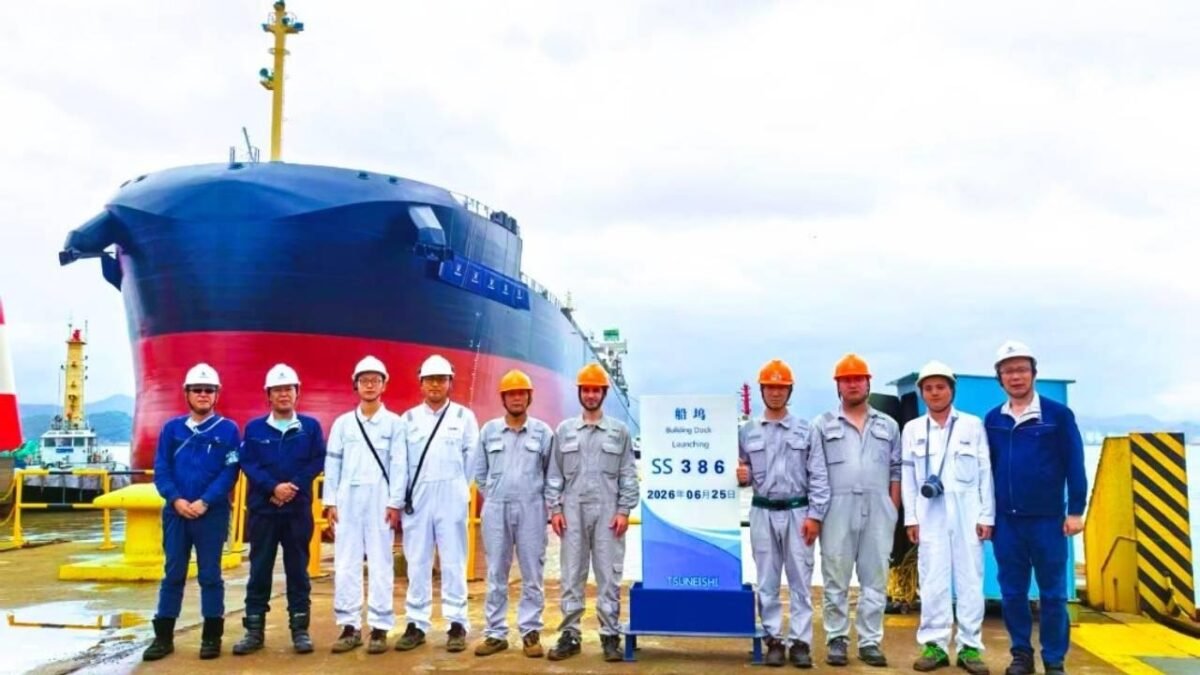
Safe Bulkers has officially taken delivery of the Kypros Island, marking the debut of a methanol dual-fuel Kamsarmax bulk carrier within its fleet. Built by Tsuneishi Shipbuilding at its Zhoushan yard, the 81,200 DWT vessel represents a significant shift for the dry bulk sector, which has historically lagged behind the container and tanker segments in the adoption of alternative-fuel propulsion.
Registry Significance
The vessel’s entry into the Cyprus Registry as the first methanol dual-fuel bulker provides a notable boost for the flag state’s push toward maritime decarbonization. By securing this delivery, Cyprus establishes a regulatory benchmark for methanol bunkering and operations within its fleet, potentially facilitating smoother certification and compliance processes for future dual-fuel tonnage registered in the jurisdiction.
Strategic Fleet Positioning
While the methanol-fueled fleet remains heavily concentrated in liner trades—with 94 container ships and 43 oil/chemical tankers currently in operation according to DNV data—the arrival of the Kypros Island signals a strategic attempt by Safe Bulkers to insulate its operational profile against tightening emissions regulations. The move to deploy methanol propulsion in the Kamsarmax segment is particularly telling; unlike container vessels operating on fixed loops with predictable bunkering infrastructure, the tramp-heavy bulk sector faces greater logistical hurdles in securing green methanol supply at key global trade nodes.
Operational Outlook
Safe Bulkers has confirmed plans to expand its methanol-capable capacity with a second dual-fuel vessel scheduled for delivery next year. For charterers, the deployment of the Kypros Island creates a new test case for the commercial viability of methanol-fueled bulk transport. The vessel’s performance will likely serve as a proxy for the wider dry bulk industry’s ability to absorb the higher capital expenditure and fuel costs associated with methanol, provided there is a commensurate demand from cargo owners for lower-carbon logistics chains.