Bulk Carrier Sinks After Hormuz Strike, Container Ship Also Lost | Mariner News
Two vessels, a bulk carrier and a container ship, have reportedly sunk near the Strait of Hormuz in the past 24 hours, maritime officials confirmed on Wednesday. The sinkings follow projectile strikes amidst a significant escalation of attacks in the crucial waterway, which Iran attributes to US sanctions and a port blockade.
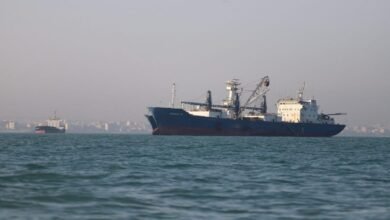
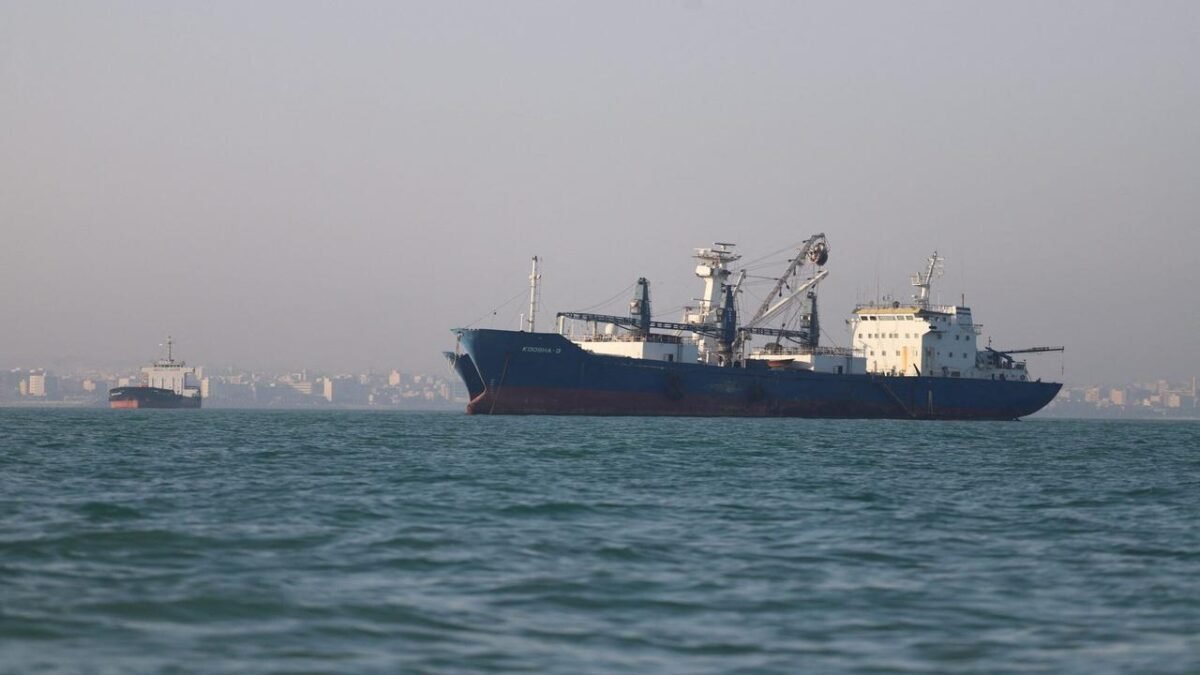
The Antigua and Barbuda-flagged Cape Dao, a dry bulk carrier, sank close to the Strait, weeks after sustaining a projectile strike on September 23. This delayed sinking resulted in one crew fatality, according to data from the UN shipping agency, the International Maritime Organization (IMO).
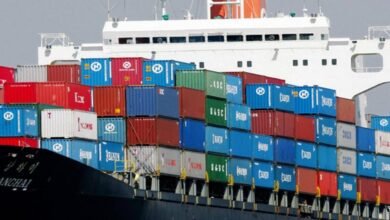
In a separate incident, the Singapore-flagged GFS Pride, a small container vessel with a capacity of 2,824 TEU, sank while transiting the Strait on Tuesday. The Maritime and Port Authority of Singapore (MPA) confirmed that the vessel sustained damage and fire before sinking. All 21 crew members were safely evacuated, with no injuries reported.
The fact that the Cape Dao sank weeks after its initial strike introduces a critical implication for post-incident vessel assessment and long-term risk. Unlike the immediate sinking of the GFS Pride, the bulk carrier’s delayed loss suggests the potential for latent damage to evolve into catastrophic failure, challenging initial assumptions about vessel integrity and stability after a strike. This necessitates a re-evaluation of survey protocols and risk management for vessels operating in volatile areas, as the immediate aftermath may not fully reflect the true extent of structural compromise.
The dual sinkings, particularly the loss of a bulk carrier, underscore a heightened and evolving threat landscape in the Strait of Hormuz. This escalation, linked by Iran to intensified US sanctions introduced last month, will likely have significant repercussions for war risk insurance premiums, potentially leading to higher operating costs and rerouting considerations for commercial shipping across all segments—dry bulk, container, and tanker—further impacting global supply chains and freight markets.