Port Hedland Iron Ore Exports Decline in May | Mariner News
Port Hedland iron ore exports, a critical barometer for global commodity markets and Australia’s mining prowess, experienced a notable decline in May 2026. This dip underscores the intricate interplay of market dynamics, operational challenges, and environmental conditions that continuously shape maritime trade. As one of the world’s largest iron ore export hubs, any fluctuation in Port Hedland’s shipping volumes sends ripples across the international supply chain, affecting everything from global steel production to dry bulk freight rates. The latest figures from Pilbara Ports reveal a broader trend, prompting closer examination of the underlying causes and potential implications for the future of Australian resource exports.
Analyzing the May 2026 Export Data from Port Hedland
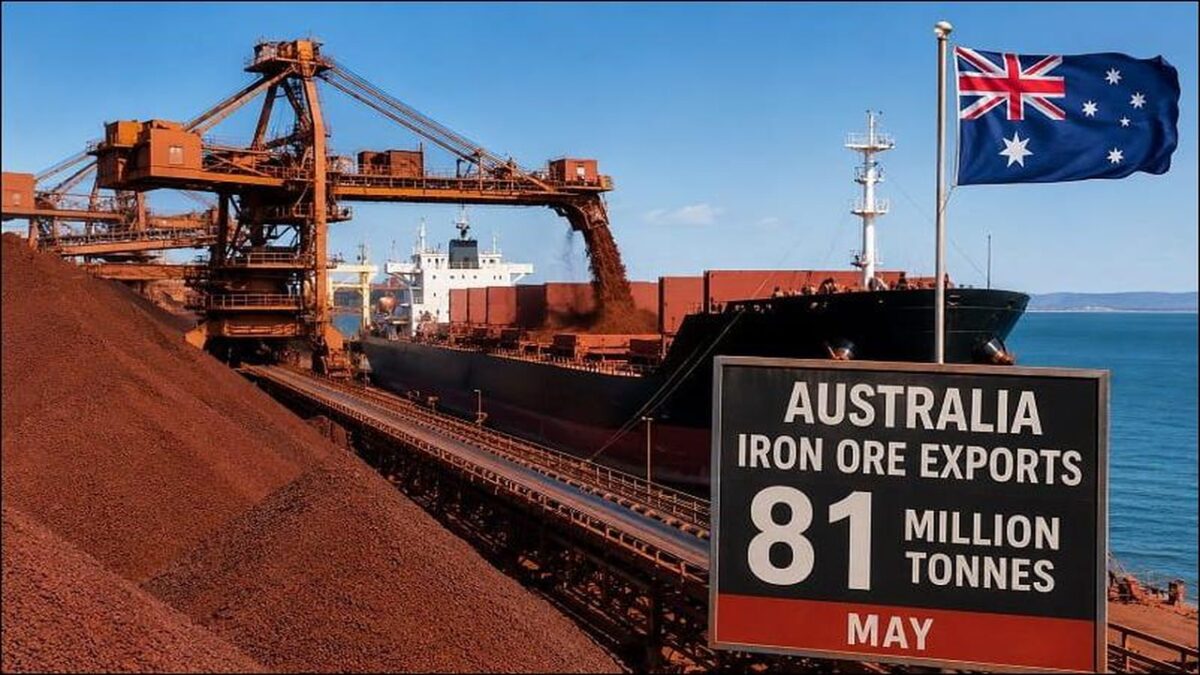
The most recent data released by Pilbara Ports indicates a total monthly throughput of 69.4 million tonnes (Mt) during May 2026 across all its facilities. This figure represents a one percent decrease when compared to the corresponding period in May 2025, signaling a slight but measurable contraction in overall port activity. Focusing specifically on the Port of Port Hedland, its individual monthly throughput reached 51.6 Mt. Of this substantial volume, a significant 51 Mt was attributed to Port Hedland iron ore exports, firmly establishing its dominance in this vital commodity. However, even this powerhouse port was not immune to the downturn, as its iron ore export volume marked a three percent decrease compared to May 2025.
While exports saw a reduction, the import figures presented a contrasting picture. Imports through the Port of Port Hedland totaled 195,000 tonnes in May 2026, registering a robust increase of 35 percent over May 2025. This surge in incoming cargo could reflect increased demand for equipment, supplies, or consumer goods, potentially offsetting some of the export-related economic adjustments. Meanwhile, the Port of Dampier, another key facility within the Pilbara Ports network, also reported a total throughput of 13.6 Mt. This represented a three percent decrease from May 2025, mirroring the trend seen at Port Hedland. Interestingly, imports through the Port of Dampier remained stable at 124,000 tonnes, showing no increase or decrease compared to the previous year. These detailed statistics provide a granular view of the performance across Australia’s critical iron ore shipping arteries.
Factors Influencing Pilbara Iron Ore Shipments
The fluctuations in Port Hedland iron ore shipments are rarely attributable to a single cause; rather, they are a complex interplay of several interconnected factors. One primary driver is global market conditions, particularly demand from key importing nations like China, which heavily relies on Australian iron ore for its vast steel industry. A slowdown in China’s industrial output, property development, or infrastructure projects can directly translate into reduced demand for raw materials, subsequently impacting export volumes from the Pilbara region. Global economic uncertainties, shifts in commodity prices, and currency exchange rates also play a significant role, influencing purchasing decisions and overall trade flows. Mining companies continuously adjust their production and export strategies based on these prevailing market signals, impacting the overall tonnage moved through the ports.
Weather conditions in the remote Pilbara region are another perennial factor that significantly influences port operations. The area is prone to tropical cyclones and heavy rainfall, especially during certain seasons. Such severe weather events can lead to port closures, restricted vessel movements, and disruptions to mining and rail operations that transport iron ore from mines to the port. Even strong winds, common in coastal areas, can necessitate temporary halts in loading activities for safety reasons, creating backlogs and delaying shipments. These weather-related delays, while often temporary, can accumulate and contribute to noticeable dips in monthly export figures, affecting Port Hedland iron ore volumes and overall throughput.
Furthermore, port maintenance operations and specific customer needs also contribute to the ebb and flow of cargo. Regular maintenance, dredging, or infrastructure upgrades at the Port of Port Hedland are essential for ensuring long-term operational efficiency and safety. While necessary, these scheduled activities can temporarily reduce the port’s capacity or restrict access for certain vessels, leading to a temporary reduction in export volumes. Additionally, changes in customer requirements, shifts in contractual agreements, or even operational issues at the mines themselves – such as equipment breakdowns or labor disputes – can directly impact the volume of iron ore available for shipment. For instance, recent reports of potential worker strikes at key Australian iron ore export hubs highlight how internal operational dynamics can directly affect export performance, creating challenges for the efficient movement of commodities.
The Broader Impact on Global Commodity Markets and Shipping
Port Hedland’s significance extends far beyond Australian shores. As a cornerstone of the global iron ore trade, its export performance has tangible effects on international commodity markets and the shipping industry. A decline in Port Hedland iron ore exports can influence global iron ore prices, potentially affecting steel manufacturers worldwide who rely on a steady and affordable supply of the raw material. Any sustained reduction could prompt buyers to seek alternative sources, even if at a higher cost, or lead to adjustments in production schedules. This interconnectedness underscores the port’s vital role in maintaining the equilibrium of the global industrial supply chain, particularly for steelmaking.
The dry bulk shipping sector, especially the Capesize vessel segment which primarily transports iron ore and coal, is directly sensitive to changes in volumes from major ports like Port Hedland. Reduced iron ore shipments can lead to a surplus of available vessels, subsequently driving down freight rates. Shipowners and operators closely monitor these export figures as they directly impact their profitability and strategic planning. Australia, as the world’s largest iron ore exporter, plays a dominant role in shaping the supply side of the global market. Therefore, any notable deviation in its export volumes, particularly from its busiest port, can create ripple effects across the entire maritime trade network, influencing everything from charter rates to new shipbuilding orders. The implications are global, affecting not just mining giants like BHP and Rio Tinto, but also countless ancillary industries.
Future Outlook for Australian Iron Ore Exports
The future outlook for Port Hedland iron ore exports, while subject to ongoing market volatility, remains fundamentally strong due to persistent global demand for steel and Australia’s vast, high-quality reserves. However, the sector is also navigating significant shifts and emerging challenges. The global push for decarbonization is accelerating the development of green steel technologies, which may alter the demand profile for traditional iron ore in the long term. Mining companies and port authorities are investing heavily in new technologies, automation, and infrastructure upgrades to enhance efficiency, reduce environmental impact, and build resilience against future disruptions. These investments aim to ensure that Australia remains a competitive and reliable supplier in an evolving global landscape.
Long-term growth will also be influenced by the trajectory of global industrialization, particularly in developing economies, and the pace of urban development. While China remains a pivotal market, diversification into other rapidly industrializing nations is a strategic imperative for Australian iron ore producers. Furthermore, ongoing geopolitical factors and international trade relations will continue to shape the dynamics of resource exports. Maintaining strong trade partnerships and ensuring secure supply chains are paramount for the stability and growth of the Australian mining sector. Continuous innovation in mining techniques, logistics, and port management will be key to optimizing export volumes and adapting to new market demands, securing the future of iron ore as a cornerstone of the Australian economy.
In conclusion, the dip in Port Hedland iron ore exports during May 2026, while statistically noteworthy, is a multifaceted issue influenced by a range of factors from global economic conditions to localized weather patterns and operational necessities. Despite these fluctuations, Port Hedland and the broader Pilbara region remain indispensable arteries for the global supply of iron ore, underscoring Australia’s critical role in the international commodity market. As the industry continues to evolve, adapting to new demands and challenges, monitoring these key export figures will provide crucial insights into the health and direction of global trade and resource sector performance.