Oil Prices Steady Amid US-Iran Tensions & Trump Threats | Mariner News
Global oil prices recently showed remarkable stability, holding steady despite dramatic geopolitical tensions between the United States and Iran. The world watched as Iran vowed revenge, prompting a stark warning from former U.S. President Donald Trump, who threatened to “finish the job” by dismantling Iran’s infrastructure. This precarious balance between escalating rhetoric and a seemingly unperturbed crude market presents a complex puzzle for analysts and investors. Despite threats historically sending shockwaves, benchmark crude prices saw only minor fluctuations. This unusual market resilience, amidst explicit geopolitical volatility, invites a deeper examination into factors shaping global oil prices and the broader energy security landscape.
Geopolitical Crossroads: US-Iran Standoff and its Global Repercussions
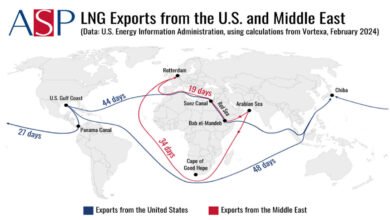
The long-standing rivalry between the United States and Iran consistently casts a shadow over the Middle East and global energy supplies. Iran’s recent pledge for vengeance signals dangerous escalation, a potent reminder of historical flashpoints that have seen crude oil prices surge. Threats to supply lines, particularly the Strait of Hormuz—a critical chokepoint for global maritime oil trade—are paramount. These shipping routes are vital arteries for the global economy; any disruption raises concerns about supply continuity and tanker operations.
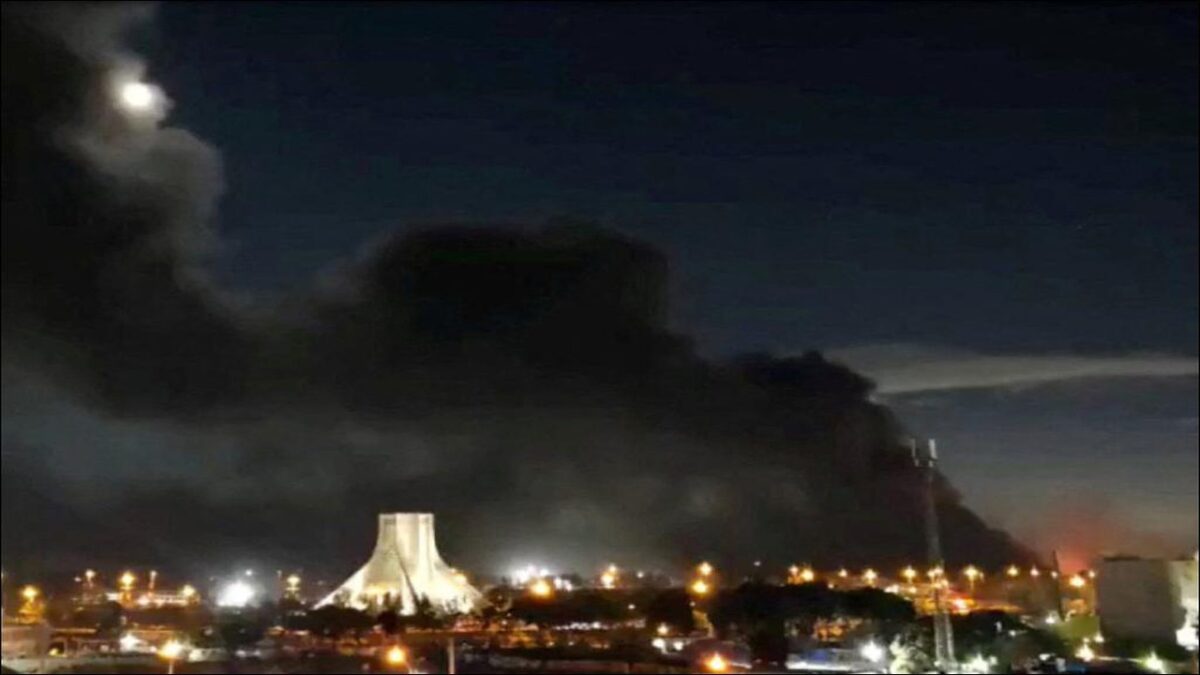
Former President Trump’s threat to “finish the job” and dismantle Iran’s infrastructure “in a small part of an afternoon” injects greater uncertainty. Such declarations, if acted upon, could trigger widespread destabilization, leading to severe disruptions in global oil production and distribution. Potential military conflict directly impacts petroleum exports, influencing investor confidence and exacerbating fears around future energy security. Past incidents, like attacks on oil facilities or tankers in the Gulf, underscore the fragility of the supply chain when confronted with intense geopolitical risk.
These geopolitical tremors affect not only immediate crude flow but also long-term investment decisions in the energy sector. Companies must factor in heightened risk premiums, potentially impacting exploration, production, and refining capacities. The intricate network of international relations, economic dependencies, and military capabilities forms a complex tapestry where actions from one major player can have ripple effects across the globe, particularly concerning energy market stability and Middle Eastern petroleum reserves.
Decoding Market Resilience: Why Oil Prices Remain Steady
Despite the alarming geopolitical narrative, the global crude market exhibited unexpected composure. Several factors contribute to this perplexing stability, defying traditional market reactions to intense geopolitical volatility. One significant element, cited by analysts like Giovanni Staunovo from UBS, is the increasing amount of “oil on water.” This refers to previously stranded tankers that have exited the Persian Gulf, effectively increasing available supply. This surge in readily available crude helps mitigate immediate supply shock fears, buffering against speculative price hikes often accompanying geopolitical flare-ups.
Furthermore, the broader global crude recovery has grown quicker than many predicted. Robust production from various oil-producing nations, combined with strategic reserves, has collectively built a supply-side strength absorbing much of the current geopolitical risk. While a full-blown supply glut might not be imminent, the sheer volume of global oil production lessens the impact of potential disruptions from a single region. The market appears to be pricing in a degree of resilience, perhaps anticipating that, despite rhetoric, actual military engagements severe enough to cripple significant oil infrastructure might be averted.
Expert opinions, such as Fereidun Fesharaki of FGE NexantECA, who ominously predicted “more conflict, more trouble,” highlight underlying anxiety. Yet, this apprehension has not translated into widespread panic buying or sustained price surges. This indicates a sophisticated interplay where immediate supply-demand dynamics, including robust production and existing inventories, currently outweigh speculative fears driven by geopolitical tensions. Investors and traders are carefully weighing the likelihood of actual supply disruptions against current market abundance, leading to a cautious but steady outlook for benchmark crude like Brent and West Texas Intermediate (WTI).
The Tangled Web of Global Crude Supply and Demand
The stability of oil prices cannot be understood in isolation from the intricate dynamics of global crude supply and demand. On the supply side, the world has seen significant recovery and expansion in production from various regions. Non-OPEC+ producers, including the United States with its shale oil boom, have contributed substantially to this robust supply picture. Additionally, strategic decisions of OPEC+ nations, aimed at balancing market stability with revenue generation, play a crucial role. Their ability to adjust output quotas can either exacerbate or alleviate supply concerns, acting as a crucial lever in maintaining equilibrium within the petroleum market. This global distribution enhances overall energy security.
On the demand side, the global economic outlook remains a primary driver. While certain sectors have rebounded strongly, the overall pace of recovery following recent global challenges continues to influence consumption patterns. Industrial activity, particularly in major consuming nations like China and India, dictates a significant portion of crude demand. The transportation sector, encompassing automotive fuel to marine bunkers for the shipping industry, is another critical component. Fluctuations in air travel, freight logistics, and daily commuting directly impact global petroleum consumption, creating a delicate balance that informs market sentiment and future crude oil price forecasts.
This interplay creates a complex environment where geopolitical shocks, while significant, are filtered through existing market fundamentals. A robust supply-side, characterized by high production and ample inventory, provides a cushion against sudden disruptions. Conversely, a sluggish demand recovery can suppress prices even in the face of supply threats. No single factor dictates crude price trajectory for long. Instead, the ongoing negotiation between perceived risks, actual supply availability, and global consumption trends ultimately determines daily fluctuations and broader trends in the energy market, affecting everything from shipping costs to consumer fuel prices.
Future Outlook: Navigating Volatility in the Energy Market
Looking ahead, the global energy market remains perched on a knife-edge. The potential for further escalation of US-Iran tensions or diplomatic de-escalation could re-shape regional stability. Should conflict materialize into direct military action impacting critical oil infrastructure or maritime trade routes like the Strait of Hormuz, the current market resilience could quickly unravel. Such a scenario would undoubtedly lead to sharp increases in oil prices, triggering inflationary pressures globally and posing significant challenges to the global economy. Ripple effects would be felt across industries, including the tanker industry, facing heightened operational risks and potentially higher insurance premiums, impacting crude oil transportation costs.
Conversely, a diplomatic resolution or sustained de-escalation, however unlikely, could foster greater stability. This would allow the market to focus more squarely on fundamental supply and demand dynamics, potentially leading to more predictable price movements. However, the long-term trajectory of global energy markets is profoundly influenced by the accelerating shift towards renewable energy sources and the global push for decarbonization. While oil remains a dominant energy source, increasing investment in sustainable alternatives and stricter environmental regulations will gradually reshape demand patterns and investment priorities within the energy sector.
The future of global oil prices will thus be a confluence of immediate geopolitical realities, evolving supply-demand fundamentals, and the inexorable march towards a greener energy future. Market participants, from investors to large-scale energy corporations and shipping conglomerates, must remain agile, adapting to rapid shifts in the political landscape while also planning for a long-term energy transition. The current period of steady oil prices, despite significant geopolitical threats, serves as a powerful reminder of the complex, multi-faceted nature of the modern energy market, where resilience can be found in unexpected corners, even as profound risks linger. Staying informed is paramount for navigating the inherent volatility of the world’s energy complex.