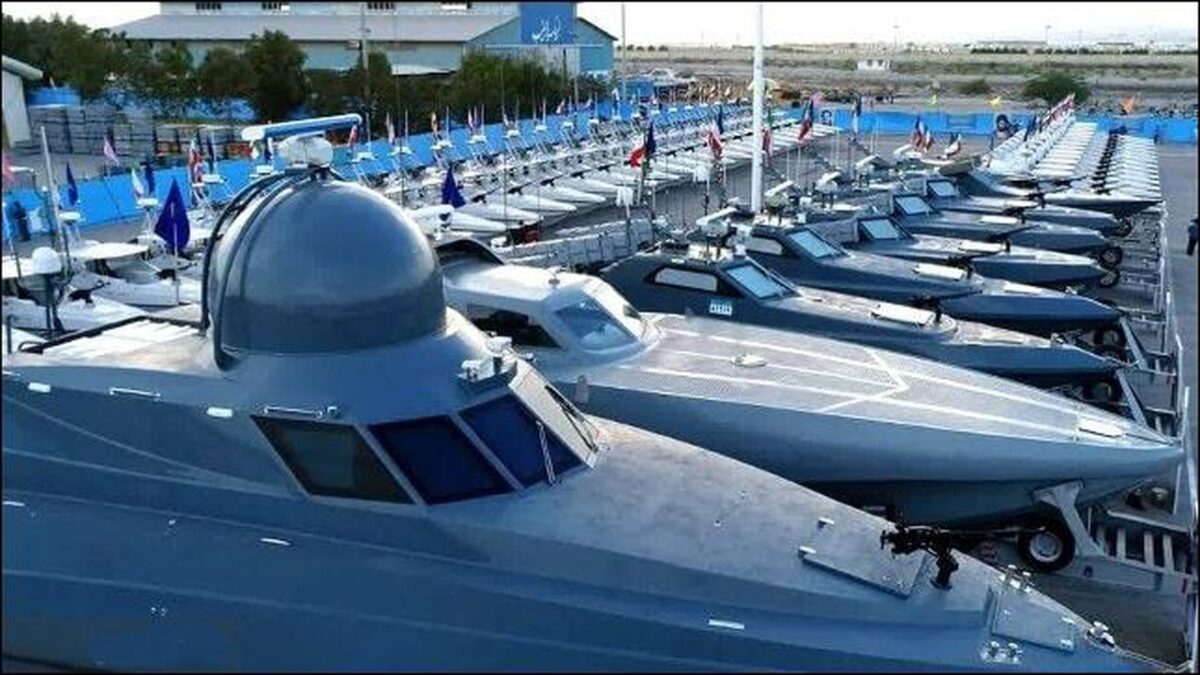
Iran Threatens Ships on Non-Iranian Hormuz Routes | Mariner News
The recent declaration that Iran threatens to attack ships choosing non-Iranian routes through the Strait of Hormuz marks a significant escalation in regional tensions, sending reverberations across the global maritime industry. This aggressive posture, articulated by the Khatam al-Anbiya Central Headquarters, underscores Iran’s persistent ambition to exert greater control over this critical waterway. Such a move challenges established international maritime law and freedom of navigation principles, raising profound concerns for global trade, particularly for the vast volume of oil tankers and cargo vessels that transit the strait daily, impacting maritime security worldwide.
The Strait of Hormuz: A Lifeline for Global Maritime Trade
The Strait of Hormuz is undeniably the world’s most vital oil chokepoint, facilitating the passage of a substantial portion of the world’s seaborne crude oil and liquefied natural gas (LNG) from the Persian Gulf to international markets. Its strategic importance extends beyond energy, as it also serves as a crucial artery for diverse commercial cargo, including container ships and bulk carriers, connecting the Middle East with Asia, Europe, and the Americas. Any disruption or perceived threat to shipping routes here has immediate and severe economic consequences, potentially impacting global energy prices, supply chain stability, and the financial health of economies worldwide.
Traditionally, maritime navigation in the Strait has been governed by international conventions, ensuring safe and unobstructed passage for all vessels. However, Iran’s recent declarations challenge these long-standing norms by seeking to impose its own navigation protocols and designated shipping routes. This unilateral stance has sparked alarm among international maritime bodies, shipping companies, and governments who rely on predictable and secure transit through what are universally recognized as international waters. The pre-existing Traffic Separation Scheme (TSS), while complex, has historically guided vessels, although concerns about its integrity due to past mining incidents have occasionally surfaced.
Currently, there are three primary routes through the Strait: the northern route, largely within Iranian control; the long-standing Traffic Separation Scheme; and a southern route along the Omani coastline, endorsed by the International Maritime Organization (IMO) and frequently patrolled by international naval forces, including the U.S. military. Iran’s insistence on vessels adhering exclusively to its approved pathways, backed by threats of military force, directly contradicts the principles of innocent passage and freedom of navigation, fundamental tenets of international maritime law. This geopolitical maneuver risks transforming a shared international waterway into a highly contested zone, potentially forcing ships to make difficult choices between compliance with unilateral demands and adherence to global maritime regulations, further complicating global shipping routes.
Iran’s Assertive Stance on Shipping Routes and Sovereignty
The explicit threat from the Khatam al-Anbiya Central Headquarters, Iran’s highest military command, reveals a strategic imperative to solidify Iranian control over the Strait of Hormuz. This directive surfaces amidst reports of internal disagreements within Iran’s leadership, where a faction appears to prioritize direct command over the Strait’s maritime traffic over resolving issues related to frozen bank accounts abroad. This preference underscores the profound strategic value Iran places on dominating this vital maritime chokepoint, viewing it as a significant point of leverage in broader international negotiations and regional influence, impacting global shipping routes and oil tankers.
As reported by state broadcaster IRIB, the statement unequivocally warned shipowners: “Any failure to comply, deviation from the designated route, or disregard for the navigation protocols of the Islamic Republic of Iran in the Strait of Hormuz will be met with an immediate and forceful response from the armed forces.” This unambiguous declaration signals Iran’s intent to enforce its interpretation of maritime sovereignty with military might, thereby creating an environment of heightened risk for international shipping. Such a hardline stance aims to establish a permanent Iranian control system for the waterway, fundamentally reshaping regional maritime governance and international shipping protocols.
This aggressive posture is also closely linked to ongoing diplomatic endeavors. During a reported 60-day negotiation period with the U.S., Iran had supposedly agreed to arrangements for unobstructed passage, contingent upon the fulfillment of broader agreement terms, including the potential unfreezing of Iranian assets. However, the military command’s latest threats indicate a clear desire to ensure that any future “unobstructed passages” occur strictly under Iranian supervision and within waters it claims as its own. This strategy aims to facilitate a post-Memorandum of Understanding (MOU) transition to a permanent system where all transit in the Strait of Hormuz is dictated solely by Tehran, thereby solidifying its regional influence and control over critical global shipping lanes.
International Reactions and Maritime Security Implications
The international community, particularly major shipping nations and naval powers, views Iran’s threats to maritime security with grave concern. The U.S. government, which maintains a substantial naval presence in the region to safeguard freedom of navigation and maritime stability, has consistently championed international maritime law and the right of all vessels to transit international waters without impediment. Any attempt by Iran to unilaterally dictate shipping routes or enforce its will through military action would be a direct challenge to these fundamental principles, potentially provoking a stronger and unified international response.
Global shipping companies and maritime insurers are already incorporating heightened geopolitical risks into their operational planning for routes through the Middle East. Increased tensions in the Strait of Hormuz could lead to substantial increases in insurance premiums, mandatory rerouting of vessels, and significantly longer transit times, all of which translate to higher operational costs for cargo ships, oil tankers, and gas carriers. This financial burden would ultimately be passed on to consumers worldwide through elevated prices for goods and energy. The unpredictability introduced by such threats makes effective risk management particularly challenging for the entire global maritime supply chain.
The strategic deployment of naval assets by powers like the U.S. to protect vessels transiting the IMO-approved southern corridor underscores a firm commitment to maintaining secure shipping routes and ensuring freedom of navigation. However, the potential for miscalculation or accidental escalation in such a congested and geopolitically charged area remains a significant concern. The focus for international bodies such as the IMO and diplomatic channels will be on de-escalating tensions, reiterating the critical importance of adhering to international maritime law, and finding a peaceful resolution that guarantees the continued free flow of trade through this indispensable waterway, thereby averting any armed confrontation and safeguarding maritime security for all vessels.
Economic Fallout and Global Supply Chain Vulnerabilities
The economic fallout from sustained threats to Strait of Hormuz shipping routes is profound and far-reaching. With a significant percentage of the world’s crude oil, refined petroleum products, and natural gas transiting this narrow channel, any disruption directly threatens global energy security. Major oil-importing nations, particularly in Asia and Europe, are highly dependent on this chokepoint. Heightened risk premiums on insurance for vessels traversing the region would immediately translate into higher fuel costs, impacting every sector from transportation to manufacturing across the globe, creating a domino effect on global supply chains and commodity prices.
Beyond energy, the Strait serves as a vital artery for diverse commercial cargo. Container ships carrying consumer goods, bulk carriers transporting raw materials, and specialized gas carriers all rely on secure and predictable passage. An escalation of threats could compel these vessels to undertake longer, more expensive alternative routes, such as circumnavigating the Arabian Peninsula, adding days or even weeks to transit times. This would exacerbate existing vulnerabilities in global supply chains, leading to widespread delays, increased freight costs, and potential shortages of essential goods, thereby contributing to inflationary pressures in numerous economies worldwide.
In the long term, such instability could deter future investment in the region and compel nations to seek more diverse, albeit often more expensive, energy supply alternatives. While diversification is a strategic goal for many countries, the immediate economic shock waves from a threatened Strait of Hormuz would be significant and swiftly felt across global markets. Businesses engaged in international trade, from small enterprises to multinational corporations, must closely monitor these geopolitical developments, as they directly influence operational costs, market access, and overall business continuity planning. The stability of these shipping lanes is not merely a regional issue but a fundamental cornerstone of global economic health and maritime security.
Diplomatic Pathways and the Quest for Maritime Stability
Amidst the military posturing and escalating rhetoric, diplomatic efforts remain absolutely crucial to de-escalate tensions and secure the shipping lanes of Hormuz. The ongoing negotiations, which include discussions about unfreezing Iranian funds in exchange for certain commitments, represent a critical avenue for dialogue. While Iran’s military leadership appears focused on asserting control over maritime navigation, the broader Iranian government may still perceive significant value in diplomatic resolutions that could alleviate the severe economic pressures currently facing the country. International mediators and powers like the European Union play an indispensable role in fostering these delicate and complex discussions.
For international diplomacy, the primary objective must be to reinforce the fundamental principles of freedom of navigation and the unwavering rule of international maritime law. Any resolution reached must unequivocally ensure that all vessels, including commercial tankers and cargo ships, can transit the Strait of Hormuz safely, securely, and without undue interference or arbitrary restrictions. This necessitates establishing clear communication channels, a firm commitment from all parties to avoiding provocative actions, and a shared understanding of international waters and their governance. Unilateral declarations that directly contradict established global norms only serve to heighten risks and severely complicate efforts towards achieving lasting peace and stability in this inherently volatile and strategically critical region.
For the global maritime industry, a stable, predictable, and secure Strait of Hormuz is non-negotiable. Shipping operators, P&I Clubs, and classification societies are advocating strongly for clear guidelines and consistent adherence to international maritime protocols. The collective efforts of nations, through sustained diplomatic pressure and the maintenance of a credible deterrent presence, are essential to prevent the situation from spiraling into a broader regional conflict. Protecting the vital flow of global trade through this strategic chokepoint requires a delicate balance of firmness, open dialogue, and a shared, unwavering commitment to upholding the international legal frameworks that govern all maritime activities worldwide, thereby preserving global maritime security.
The latest Iran Strait of Hormuz threat to attack ships for not using its designated routes marks a dangerous and destabilizing escalation in maritime tensions. It starkly underscores Iran’s persistent ambition to exert greater control over one of the world’s most critical shipping chokepoints, directly challenging international maritime law and potentially destabilizing global energy markets and intricate supply chains. While diplomatic avenues are being explored and remain vital, the clear and present danger posed by such declarations necessitates constant vigilance from the international community and robust measures to ensure the safety and freedom of navigation for all vessels. The future of global trade, energy security, and regional stability hinges significantly on how these complex challenges in the Strait of Hormuz are addressed and ultimately resolved through a combination of diplomatic resolve and a steadfast commitment to international norms and security.