La Guaira Port Operations Suspended After Venezuela Quake | Mariner News
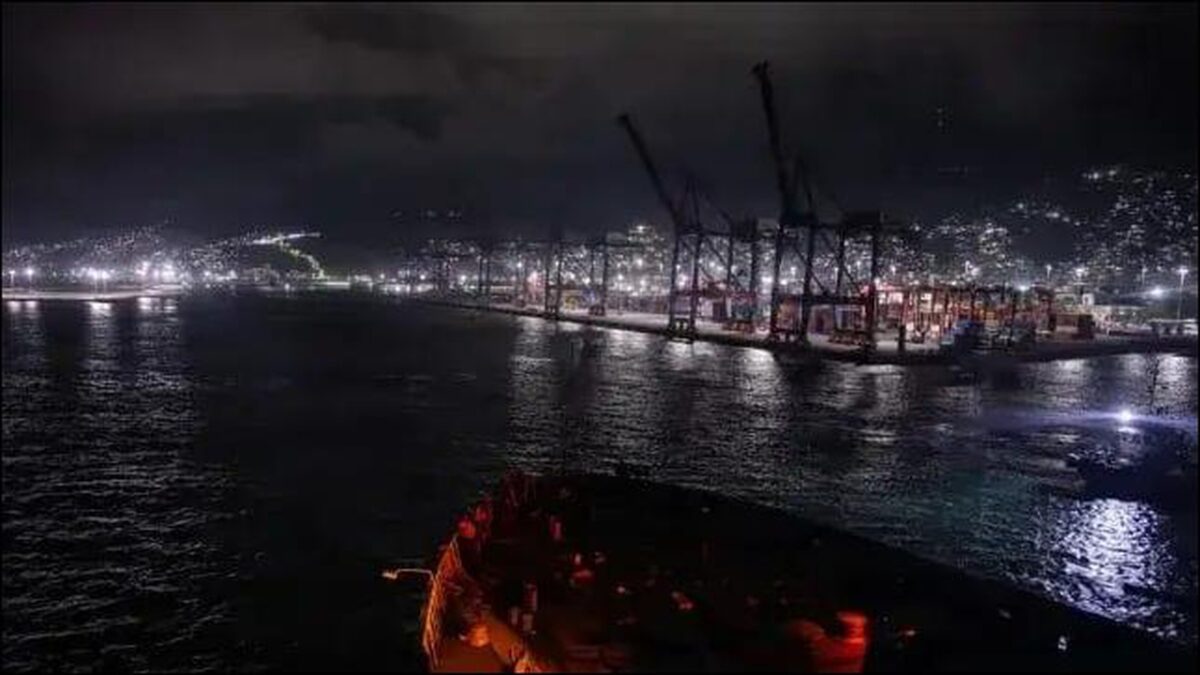
The aftermath of massive seismic activity along Venezuela’s central coastline continues to severely impact maritime logistics, with La Guaira port operations remaining suspended indefinitely. This critical Venezuelan port, a linchpin for the nation’s import and export activities, has been transformed from a bustling commercial hub into a central command for humanitarian relief efforts. The devastating quakes, which leveled thousands of structures, have rendered the port’s commercial facilities inoperable, forcing major shipping lines to reroute or halt services. The suspension highlights the fragility of global supply chains in the face of natural disasters and underscores the immediate priority given to life-saving aid and infrastructure recovery.
While the harbor itself remains accessible, a testament to its fundamental structural integrity, the surrounding infrastructure critical for loading and unloading commercial cargo has sustained significant damage. This distinction is crucial, as it allows for the entry of vessels like the U.S. Navy’s amphib USS Fort Lauderdale, which moored in La Guaira on June 28, acting as a crucial conduit for humanitarian goods and emergency services. The imminent arrival of an emergency supply vessel from the Mexican Navy further emphasizes the international community’s concerted efforts to deliver aid. However, despite these vital humanitarian operations, the commercial aspect of the port remains entirely on hold, creating considerable challenges for businesses reliant on this key entry point.
The Devastating Impact on La Guaira Port Infrastructure
The catastrophic earthquakes left a trail of destruction across Venezuela’s central coastline, directly impacting the operational capacity of La Guaira, one of the nation’s most vital maritime gateways. Initial assessments from state-owned port operator Bolipuertos, echoed by shipping giants like CMA CGM, indicate that the La Guaira Container Terminal has sustained structural damage rendering it inoperable for commercial activities. This damage extends beyond superficial cracks, affecting quay infrastructure, container handling equipment, and storage areas, all essential components for the efficient movement of goods.
Repairing and reactivating such specialized port infrastructure is a complex and time-consuming undertaking. It requires meticulous engineering assessments, substantial financial investment, and the availability of specialized equipment and skilled labor. The immediate focus remains on humanitarian response, meaning that significant resources for commercial port reconstruction may not be available for some time. This prolonged closure poses a substantial logistical challenge for importers and exporters, disrupting the flow of essential commodities and manufactured goods into and out of Venezuela.
Container Shipping Lines Adapt to Port Closure
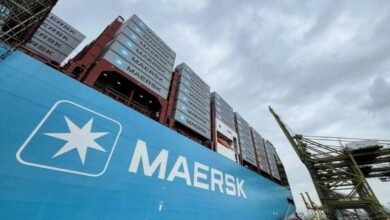
In the wake of the La Guaira port closure, major international container shipping lines have been compelled to swiftly adapt their services, illustrating the dynamic and often vulnerable nature of global maritime trade routes. Maersk, a leading player in container shipping, promptly issued a statement confirming the suspension of commercial operations and halting bookings to La Guaira from other ports in the Americas. This decision, while necessary, signifies a major disruption for countless businesses and supply chains that rely on the Venezuelan port for regional distribution.
However, Maersk’s strategy also demonstrates flexibility, as they continue to accept new bookings from overseas destinations. These shipments are scheduled to arrive at a later date, anticipating the eventual reactivation of the port and providing a lifeline for future trade. Furthermore, the company has redirected operations for empty container returns to its Puerto Cabello location, effectively decentralizing some services to maintain operational continuity elsewhere in Venezuela. Similarly, CMA CGM has cited reports from Bolipuertos regarding the extensive structural damage, leading to their decision to suspend services to the La Guaira Container Terminal, further highlighting the widespread impact on shipping networks.
The ripple effects of this disruption extend beyond direct port calls. Shippers are now forced to explore alternative logistical solutions, including rerouting cargo to other Venezuelan ports like Puerto Cabello, or even to neighboring countries, which then necessitates costly and time-consuming overland transport. This adjustment inevitably leads to increased transit times, higher freight costs, and potential delays in the delivery of goods, impacting consumer markets and industrial operations across the region. The sudden shift underscores the critical role La Guaira plays in the broader Latin American shipping ecosystem and the challenges carriers face in maintaining service integrity during unforeseen crises.
La Guaira Transforms into a Humanitarian Hub
With commercial activities suspended, the quayside at La Guaira has been rapidly repurposed, transforming into a pivotal disaster-response hub. This strategic shift underscores the immediate humanitarian imperative following the catastrophic earthquakes. The accessible nature of the harbor, despite the damage to commercial facilities, has allowed for the critical influx of international aid, making the port an essential artery for relief efforts. The arrival of the USS Fort Lauderdale, an amphibian vessel from the United States Marine Corps, marked a significant milestone in this transformation. The ship’s presence facilitates the rapid offloading of humanitarian supplies, medical equipment, and personnel, demonstrating critical international cooperation in times of crisis.
Complementing these efforts, an emergency supply vessel from the Mexican Navy is also en route, further bolstering the capacity for aid distribution. These naval assets provide crucial logistical support, enabling the swift and organized delivery of life-saving provisions. Beyond the direct aid deliveries, the port area has also become a staging ground for various relief organizations. Notably, the international charity Samaritan’s Purse has established a temporary field hospital, providing immediate medical care to those injured or displaced by the quakes. These coordinated efforts at the port highlight its indispensable role not just in trade, but as a nexus for international humanitarian assistance, facilitating a concentrated and effective response to the disaster.
Navigating the Complexities of Disaster Recovery and Maritime Reopening
The path to full recovery for La Guaira port operations is fraught with significant complexities, extending far beyond immediate structural repairs. The long-term outlook for the Venezuelan port involves a delicate balance between continuing crucial humanitarian aid efforts and initiating the extensive reconstruction required to restore commercial viability. This dual mandate presents logistical, financial, and political challenges that will require sustained commitment and international collaboration. Assessments of the structural integrity of quays, warehouses, and container handling facilities must be thorough and scientifically sound to ensure future safety and operational efficiency.
Economic implications for Venezuela and regional trade are profound. As a primary gateway for imports and exports, the prolonged closure disrupts supply chains for essential goods, affects industries reliant on foreign components, and curtails export opportunities. The diversion of cargo to other ports, while a temporary solution, introduces additional costs and logistical bottlenecks that can strain an already fragile economy. The role of government entities, such as Bolipuertos, and international bodies will be paramount in coordinating funding, expertise, and resources for a comprehensive reconstruction plan that adheres to modern safety standards and potentially incorporates resilience improvements against future seismic events.
Restoring commercial maritime traffic also necessitates a robust recovery of land-side infrastructure, including roads and railway connections that link the port to inland destinations. Without reliable transportation networks, even a fully repaired port cannot function effectively. This integrated approach to disaster recovery, encompassing both port facilities and the broader logistical ecosystem, will be critical for a sustainable reopening. The challenges faced by La Guaira serve as a stark reminder of the intricate interdependencies within global trade and the profound societal and economic ramifications when critical infrastructure is compromised by natural catastrophes.
Future Outlook for Venezuelan Maritime Trade and Port Resilience
The future of La Guaira port operations remains a subject of intense speculation and meticulous planning, with no clear timeline for full commercial resumption. The immediate priority is, and must remain, the continuation of humanitarian aid and the stabilization of affected communities. However, as the initial crisis phase gradually transitions into long-term recovery, attention will inevitably turn to the strategic importance of this maritime gateway for Venezuela’s economic future. Lessons learned from this devastating event will undoubtedly inform future disaster preparedness and response strategies for port infrastructure worldwide, emphasizing the need for robust contingency plans and resilient designs.
Beyond mere restoration, there lies an opportunity for significant infrastructure upgrades and modernization. Rebuilding the La Guaira Container Terminal with enhanced seismic resistance, adopting advanced cargo handling technologies, and improving logistical efficiency could transform the port into a more resilient and competitive asset in the long run. Such investments would not only safeguard against future natural disasters but also position La Guaira to better serve Venezuela’s trade needs in an evolving global economy. The engagement of international partners, private sector investment, and governmental commitment will be crucial in realizing this vision.
Ultimately, the reactivation of commercial operations at La Guaira port is not merely about restoring a shipping terminal; it is about rebuilding a vital economic artery that supports countless livelihoods and facilitates national development. The resilience of the Venezuelan people, coupled with sustained international support and strategic planning, will be instrumental in navigating the complex path ahead. The challenges are immense, but the imperative to restore this critical infrastructure and ensure the continuity of Venezuelan maritime trade is clear, promising a gradual but determined return to full operational capacity and a stronger, more resilient future for the port and the nation it serves.