Australia Maritime Safety Incidents Remain High | Mariner News
Australia’s vast coastline and bustling waterways are vital arteries for trade and transport, yet they continue to be a hotbed for Australia maritime safety incidents. A recent report by the Australian Maritime Safety Authority (AMSA) underscores a persistent challenge, revealing alarmingly high numbers of marine safety events in the country’s maritime sector. Despite efforts to enhance operational safety, thousands of incidents continue to be recorded annually, raising significant concerns among industry stakeholders and regulators. Understanding the scope and nature of these maritime incidents is crucial for developing effective strategies to protect lives, safeguard the environment, and ensure the efficiency of Australian shipping operations. This deep dive explores AMSA’s latest findings, examines underlying causes of vessel safety concerns, and outlines initiatives aimed at bolstering navigational safety across Australian waters.
The Persistent Challenge of Australia’s Maritime Safety Record
Australia’s commitment to maritime safety is continually tested by the sheer volume of activity across its extensive marine environment. From domestic commercial vessels (DCVs) plying coastal routes to massive foreign-flagged ships, the potential for maritime safety incidents is ever-present. Data from recent years paints a clear picture: despite various regulatory frameworks, the number of recorded incidents remains consistently high, highlighting systemic challenges requiring ongoing attention and proactive measures. This trend signifies that while individual safety improvements may occur, the overall risk landscape in Australian waters demands sustained vigilance.
The Australian Maritime Safety Authority (AMSA) serves as the nation’s primary maritime safety regulator, tasked with overseeing compliance and investigating marine incidents. Their annual reports provide critical insights into the state of vessel safety and prevalent risks faced by the industry. These reports are a vital tool for identifying patterns, understanding contributing factors, and informing policy decisions aimed at mitigating hazards. The continuous stream of incident reports underscores the dynamic and often unpredictable nature of the marine environment, where human factors, equipment reliability, and environmental conditions converge to create complex safety scenarios.
Deciphering AMSA’s Latest Marine Incident Report
The Marine Incident Annual Report 2025, published by AMSA, confirms that maritime safety in Australian waters remains a major concern, detailing another year of significantly high numbers of incidents. The report recorded a total of 4,174 marine incident reports in 2025, from DCVs, foreign-flagged vessels (FFVs), and regulated Australian vessels (RAVs). While this figure represents a noticeable decline from the 5,639 incidents reported in 2024, it is essential to understand the context behind this reduction.
AMSA clarifies that the primary reason for the numerical decrease in recorded marine incidents in 2025 was a classification change introduced on January 1, 2025. This amendment excluded defect reports for RAVs and FFVs from the marine incident reporting process. Consequently, approximately 1,272 defect reports, which would have previously been classified as marine incidents, were not included in the 2025 tally. This reclassification highlights that while the raw incident count decreased, the underlying prevalence of safety concerns and operational issues likely remained substantial.
Beyond classified incidents, AMSA also received 452 reports of marine safety concerns in 2025, a 14.7 percent increase compared to 394 reports in 2024. This rise indicates improved reporting culture or growing awareness of potential hazards. The data collectively suggests that Australia’s marine environment continues to present complex challenges for operators and regulators alike, emphasizing the necessity for continuous improvement in safety management systems and reporting frameworks to accurately reflect and address the true scope of shipping safety risks.
Common Causes and Types of Shipping Accidents in Australian Waters
Analysis of the 2025 AMSA report reveals that specific types of shipping accidents continue to dominate the incident landscape. Collisions, groundings, and various power, propulsion, and system failures consistently rank among the most common incident types. These categories represent significant operational risks, often leading to severe consequences. The incidents during the year tragically resulted in four fatalities and 434 injuries, underscoring the critical human element involved in marine operations and the devastating impact when safety measures fail.
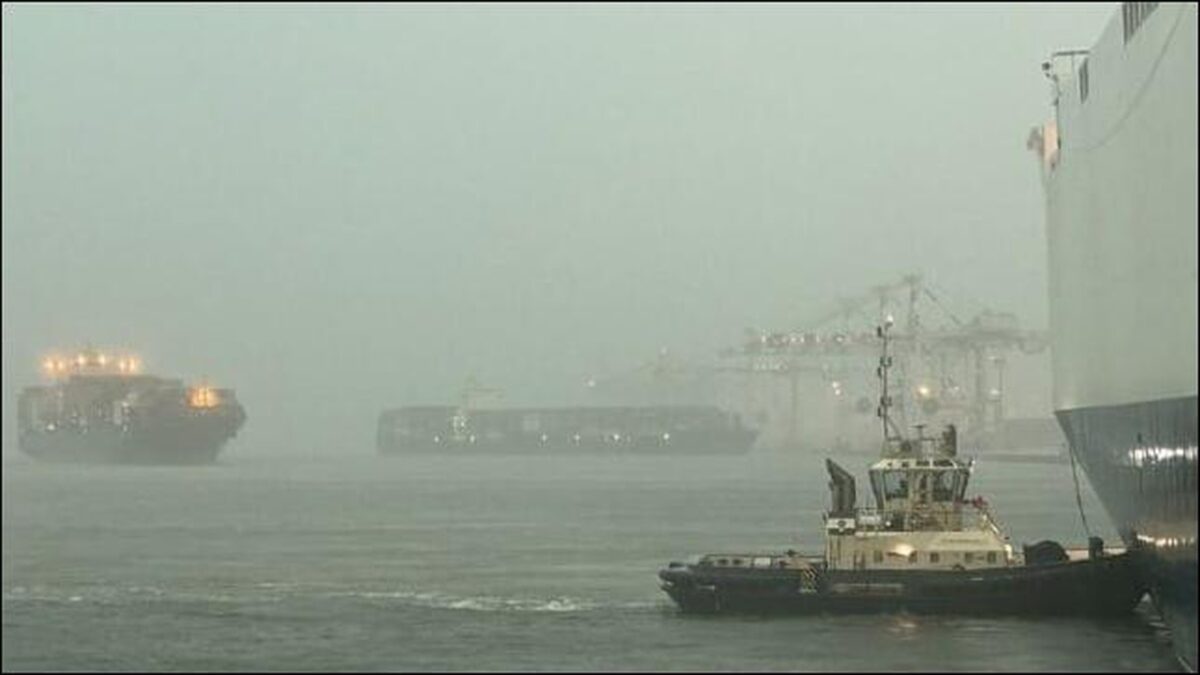
External factors frequently play a significant role in vessel safety concerns. Violent storms, as illustrated by the dramatic incident in Brisbane involving the commercial vessels Wide India, Volans, and Viking Passama breaking away, demonstrate the profound influence of severe weather conditions. Such environmental challenges can exacerbate existing vulnerabilities in vessel integrity, mooring systems, and human decision-making, leading to critical failures. Operators must therefore implement rigorous weather monitoring and contingency planning to mitigate these environmental hazards effectively.
Moreover, human error, equipment malfunction, and inadequate maintenance routines are pervasive underlying contributors to maritime incidents. Whether it’s navigational errors, mechanical breakdowns, or failures of critical safety systems, these factors often combine to create dangerous scenarios. A holistic approach to maritime risk management must therefore encompass not only robust technical standards but also comprehensive training, fatigue management, and a strong safety culture that encourages proactive reporting and continuous learning from past events. Addressing these multifaceted causes is paramount to reducing the frequency and severity of future marine safety events.
AMSA’s Commitment to Enhancing Vessel Safety and Compliance
The Australian Maritime Safety Authority (AMSA) plays a pivotal role in regulating and promoting vessel safety across the nation’s waters. Through its comprehensive regulatory framework, including the National Law for domestic commercial vessels and various international conventions for foreign-flagged vessels, AMSA strives to enforce high standards of operational excellence. The authority conducts regular inspections, audits, and investigations, ensuring vessels meet stringent safety requirements and comply with maritime laws, fundamental to preventing shipping accidents and protecting marine ecosystems.
AMSA’s commitment extends beyond enforcement; it actively engages in safety promotion and education. By disseminating information through reports and industry outreach programs, AMSA fosters a proactive safety culture. The increase in marine safety concern reports suggests an improved reporting culture, possibly driven by AMSA’s efforts to encourage participants to report potential hazards before they escalate into full-blown maritime incidents. This emphasis on early reporting is a critical component of effective risk management, enabling timely interventions.
Furthermore, AMSA continuously reviews and updates its regulations and guidelines to adapt to evolving industry practices and technological advancements. This iterative process ensures Australia’s maritime safety framework remains robust and relevant in a dynamic global shipping environment. By investing in data analysis, technological solutions, and stakeholder engagement, AMSA works tirelessly to reduce the prevalence of marine incidents and improve the overall safety record of Australia’s maritime industry, maintaining safe seas.
The Human and Economic Toll of Maritime Mishaps
The consequences of maritime safety incidents extend far beyond statistical tallies, imposing significant human and economic costs. Tragically, the four fatalities and hundreds of injuries recorded in 2025 serve as a stark reminder of the ultimate price paid when safety protocols fail. Each incident represents a potential loss of life, severe injury, or psychological trauma for those involved, impacting families, communities, and the livelihoods of seafarers. This human element underscores the profound importance of every safety measure, from proper training to robust emergency response systems.
Economically, shipping accidents can result in substantial financial burdens. These costs include direct expenses such as vessel repairs, salvage operations, cargo damage, and environmental clean-up efforts. Indirect costs are equally significant, encompassing business interruption, loss of revenue, increased insurance premiums, and potential legal liabilities. For instance, major incidents can disrupt supply chains, affecting trade flows and causing ripple effects throughout various industries dependent on maritime transport, highlighting the economic imperative of investing in vessel safety.
Beyond direct financial impacts, maritime incidents can also inflict severe environmental damage, particularly when involving hazardous materials or sensitive marine ecosystems. Oil spills, chemical leaks, or vessel sinkings can devastate marine life, coastal habitats, and fishing grounds, requiring extensive and expensive remediation efforts. The long-term ecological consequences can be profound, affecting biodiversity and ocean health for decades. Therefore, effective maritime risk management is not just about protecting people and property; it is also about safeguarding Australia’s precious natural environment for future generations.
Charting a Course for Improved Australian Coastal Safety
Improving Australian coastal safety requires a multi-faceted approach that integrates technological advancements, enhanced training, and robust regulatory oversight. Modern navigation systems, real-time weather forecasting, and advanced vessel monitoring technologies offer unprecedented opportunities to prevent marine incidents. Investing in these tools can provide mariners with better situational awareness, aid in decision-making, and reduce the likelihood of collisions, groundings, and other operational errors. The continuous adoption of digital solutions is a key pathway to bolstering safety standards.
Furthermore, ongoing professional development and comprehensive training for seafarers are indispensable. Human factors, including fatigue and inadequate skill sets, are frequently cited as contributing factors in maritime accidents. By providing regular refresher courses, simulation-based training, and promoting a culture of continuous learning, the industry can equip its workforce with the knowledge and resilience needed to navigate challenging conditions safely. Emphasizing communication, teamwork, and emergency preparedness significantly enhances the human element of vessel safety.
Regulatory frameworks must also evolve to keep pace with industry changes and emerging risks. AMSA’s adaptive approach to incident classification demonstrates a willingness to refine its reporting mechanisms to better reflect the true state of maritime safety in Australia. Future legislative reviews and policy adjustments should continue to focus on proactive risk mitigation, incorporating lessons learned from past incidents and anticipating future challenges. A dynamic regulatory environment, supported by effective enforcement, is crucial for fostering compliance and ensuring safety remains paramount across all maritime operations.
A Collective Responsibility for Navigational Safety
Ultimately, the journey towards significantly reducing Australia maritime safety incidents is a shared responsibility. While governmental bodies like AMSA provide the regulatory backbone and oversight, the onus also falls on vessel owners, operators, masters, and crew members to adhere diligently to safety protocols. A strong safety culture, where reporting near-misses and hazards is encouraged without fear of reprisal, is fundamental to proactive maritime risk management. This collective vigilance allows for early identification of systemic weaknesses and facilitates continuous improvement.
Industry associations and international partners also play a vital role. By sharing best practices, collaborating on safety initiatives, and promoting international standards, the global maritime community can collectively elevate shipping safety levels. Forums for discussion, research into innovative safety technologies, and joint training exercises can all contribute to a more resilient and secure maritime environment. This collaborative spirit ensures that lessons learned in one part of the world can benefit operators and regulators in another.
Moving forward, the focus must remain steadfast on preventing incidents rather than merely reacting to them. This involves not only technological upgrades and training but also fostering an unwavering commitment to safety at every level of the maritime industry. Only through concerted effort, transparency in reporting, and a collective dedication to excellence can Australia truly navigate towards a future with significantly fewer marine incidents and ensure the safety and sustainability of its vital maritime sector for generations to come.