Advanced Hull Coatings & Biofouling Control for Efficiency | Mariner News
The maritime industry is undergoing a profound transformation, moving light-years beyond the rudimentary practices of yesteryear. Remember the days of cadets slathering on “red lead”? While effective in its time, that lead-based primer was a hazardous concoction, toxic to the environment and posing serious neurological risks to those who applied it – a danger thankfully largely overlooked by most seafarers. Today, the landscape of marine protection is dramatically different, particularly concerning hull coatings. These modern solutions are no longer just about preventing marine growth; they are integral components of a wider, sophisticated system for biofouling control that critically contributes to shipping decarbonization and enhanced marine efficiency. This holistic approach encompasses everything from meticulous inspections and strategic cleaning to continuous monitoring and thorough documentation, extending far beyond the paint itself.
The Evolution of Hull Coating Technology
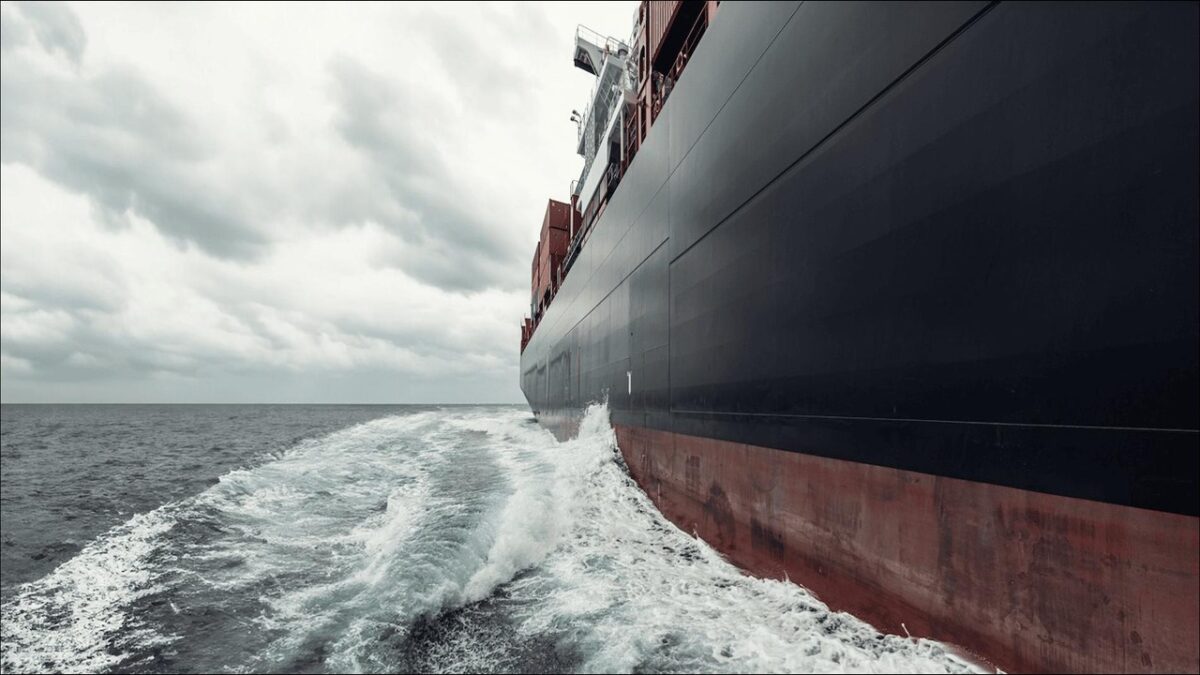
The journey from toxic lead-based primers to today’s high-performance marine coatings reflects a monumental shift towards sustainability and operational excellence. The core challenge for any vessel remains biofouling – the undesirable accumulation of microorganisms, plants, algae, and animals on submerged surfaces. This marine growth significantly increases hydrodynamic drag, demanding more power from the engines, burning more fuel, and consequently escalating carbon emissions. Early anti-fouling paints relied on harsh biocides that, while effective, released harmful substances into the marine environment. The evolution of hull coating technology has been driven by the dual imperatives of replicating previous effectiveness while drastically minimizing environmental impact and improving application safety. Modern coating systems now offer full protection, ease of application, and significantly reduce health concerns for personnel, marking a pivotal advancement in maritime technology.
For shipping companies, the choice of anti-fouling systems is a strategic decision that directly impacts profitability and environmental stewardship. The advancement in coating chemistry has led to solutions that are not only robust against fouling but also contribute quantifiable improvements in vessel efficiency and fuel burn. This proactive approach to hull management stands in stark contrast to the reactive cleaning methods of the past, which often involved the discharge of toxic chemicals and microplastics into our oceans. Today’s focus is on preventing fouling from taking hold in the first place, or ensuring any minimal growth can be easily and safely removed, thus preserving the marine ecosystem and optimizing vessel performance.
Beyond the Paint: Holistic Biofouling Control Systems
The concept of “Beyond the Paint” recognizes that a vessel’s exterior protection is not a standalone product but a crucial element within a comprehensive biofouling management system. This integrated strategy acknowledges that even the most advanced hull coatings require complementary practices to achieve optimal performance and longevity. The system begins with detailed pre-application planning and continues through the entire operational life of the vessel.
Central to this modern paradigm are regular, thorough inspections. Utilizing advanced underwater drones or diver surveys, operators can continuously assess the condition of the coating and detect any early signs of fouling. This data-driven approach informs a strategic cleaning schedule, ensuring interventions are timely and effective, minimizing the environmental footprint of cleaning operations. Rather than waiting for significant fouling to occur, which then requires more aggressive and potentially damaging cleaning, the proactive system focuses on gentle, routine maintenance that preserves the coating integrity and prevents the buildup of drag-inducing organisms.
Moreover, continuous monitoring of vessel performance, fuel consumption, and operational profiles provides invaluable feedback on the effectiveness of the chosen coating system. This data, combined with detailed documentation of all inspections, cleaning activities, and coating applications, creates a complete historical record. Such thorough record-keeping is not only vital for compliance with environmental regulations but also allows ship operators to fine-tune their biofouling control strategies, select the most appropriate marine coatings for specific routes and operating conditions, and demonstrate tangible progress towards shipping decarbonization goals. It’s a dynamic, adaptive system designed for peak efficiency and environmental responsibility.
Navigating Coating Technologies: SPCS vs. FRCS
When considering modern anti-fouling solutions, shipowners primarily weigh the benefits of two leading technologies: Self-Polishing Coatings (SPCS) and Fouling-Release Coatings (FRCS). Each offers distinct advantages based on a vessel’s operational profile, speed, and environmental considerations, presenting a nuanced choice in the pursuit of marine efficiency.
Self-Polishing Coatings (SPCS) are chemically driven, leveraging sophisticated self-polishing copolymers that react gradually with seawater through a controlled hydrolysis process. This reaction causes the outer layer of the coating to erode slowly, continuously exposing a fresh, active surface. As this occurs, biocides, typically copper-based, are released in controlled amounts to prevent marine organisms from settling and adhering. The controlled erosion rate can be tailored to match a vessel’s specific operating speed and activity level, making SPCS highly effective across a broad spectrum of operating profiles. This includes vessels that spend significant periods at low speed, anchored, or on station, where fouling pressure can be particularly high. SPCS coatings offer consistent long-term performance and are a proven choice for maintaining a clean hull and optimizing fuel efficiency over extended drydocking intervals.
In contrast, Fouling-Release Coatings (FRCS) operate on a fundamentally different, physical principle. These coatings are engineered with ultra-smooth, low surface energy surfaces, often silicone-based, to which marine organisms struggle to adhere. Instead of relying on biocides, FRCS prevent fouling by making it difficult for organisms to gain a strong foothold. Any organisms that do attach are typically removed by the shear forces of the water as the vessel moves through the sea, particularly at higher speeds. This biocide-free approach makes FRCS an environmentally friendly option, eliminating the release of chemicals into the ocean. They are especially effective for vessels operating at consistently higher speeds, where the water flow across the hull can effectively “release” any nascent fouling. For operations with frequent high-speed transits, FRCS offer significant advantages in maintaining a pristine hull and maximizing fuel efficiency without chemical leaching.
Increasingly, the industry is also exploring and adopting hybrid coating solutions. These innovative coating systems combine elements of both SPCS and FRCS technologies, aiming to leverage the strengths of each. A hybrid approach might feature a biocide-releasing topcoat for static periods or low-speed operations, combined with a low surface energy component to facilitate fouling release during high-speed transits. This tailored strategy allows shipowners to optimize biofouling control for diverse operational demands, maximizing the benefits for both vessel performance and environmental compliance. The ongoing research and development in this area promise even more sophisticated and adaptive solutions for future maritime operations, pushing the boundaries of what is possible in sustainable marine asset management.
The Impact on Shipping Decarbonization and Operational Efficiency
The direct correlation between effective hull coatings and shipping decarbonization cannot be overstated. A clean hull is a cornerstone of fuel efficiency, directly translating into reduced greenhouse gas emissions. Biofouling can increase fuel consumption by as much as 20-40% or even higher in severe cases. By preventing this drag, modern anti-fouling systems play a critical role in achieving the industry’s ambitious sustainability targets, including the International Maritime Organization’s (IMO) goals for significant emissions reductions.
For shipowners, the benefits extend beyond environmental compliance to substantial operational cost savings. Reduced fuel burn directly impacts the bottom line, offering a compelling economic incentive for investing in advanced marine coatings and comprehensive biofouling control. Furthermore, efficient hull management can lead to extended periods between drydockings, minimizing off-hire time and further enhancing operational efficiency. The initial investment in superior coating technology is quickly recouped through these significant operational and environmental dividends, making it a shrewd strategic decision for any fleet.
The environmental impact mitigation goes beyond just CO2 reduction. By minimizing the discharge of toxic biocides and preventing the shedding of microplastics – which can occur when heavily fouled hulls are cleaned – these advanced systems contribute to healthier marine ecosystems. They represent a commitment to cleaner oceans and more sustainable shipping practices. The synergy between high-performance coatings, proactive maintenance, and data-driven monitoring creates a powerful framework for achieving genuine sustainable shipping outcomes, demonstrating that economic viability and environmental responsibility can, and must, go hand in hand.
The Future of Anti-Fouling and Biofouling Management
The horizon for biofouling control and marine coatings is vibrant with innovation. Researchers and manufacturers are continually pushing boundaries, exploring novel approaches that promise even greater efficiency and environmental safety. Emerging technologies include bio-inspired coatings that mimic natural anti-fouling strategies found in marine organisms, non-toxic alternatives leveraging nanotechnology, and advanced polymer science to create surfaces that are inherently resistant to adhesion without releasing any active substances.
Alongside material science advancements, the integration of smart technologies is set to revolutionize hull management. Robotic hull cleaning systems, capable of autonomous operation and precise targeted cleaning, are becoming more sophisticated, offering efficient and environmentally sound maintenance solutions. AI-driven monitoring systems, utilizing predictive analytics based on vast datasets of vessel performance, weather patterns, and oceanographic conditions, will further optimize coating selection and cleaning schedules, ensuring peak vessel performance at all times.
Regulatory pressures, driven by global environmental concerns, will also continue to shape the development and adoption of these advanced coating systems. Stricter standards for biocide release and microplastic pollution are likely to accelerate the transition towards fully non-toxic and environmentally benign solutions. The future of anti-fouling is thus characterized by a holistic, technologically advanced, and ecologically conscious approach, where every aspect of hull protection is optimized for sustainable shipping. This ongoing innovation underscores a collective commitment to protecting our oceans while ensuring the economic viability and efficiency of global maritime trade.
In conclusion, the journey of hull coatings has evolved dramatically from simple paint applications to sophisticated, integrated biofouling control systems. This evolution is not merely about preserving a vessel’s exterior; it is a fundamental pillar of modern marine efficiency and a crucial driver of shipping decarbonization. By embracing a holistic approach that extends “beyond the paint” – incorporating intelligent monitoring, proactive cleaning, and advanced coating technologies – the maritime industry can navigate towards a future that is both economically prosperous and environmentally responsible, ensuring cleaner oceans and a more sustainable global trade.