Maersk Diverts Vessels from Strait of Hormuz | Mariner News
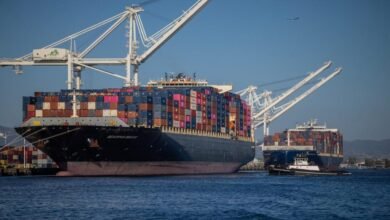
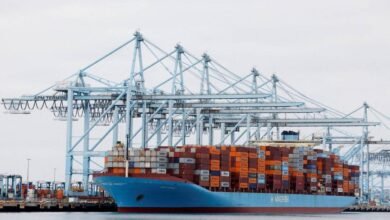
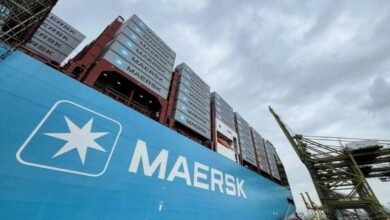
In a significant move reflecting the escalating maritime security challenges in the Middle East, global shipping giant Maersk has announced the diversion of two of its container vessels from the critical Strait of Hormuz. This strategic decision, a direct response to heightened geopolitical tensions in the region, underscores the complex risks faced by international shipping lines and the paramount importance of safeguarding crew and cargo. The Strait of Hormuz, a narrow waterway connecting the Persian Gulf with the Arabian Sea, remains a vital artery for global energy and trade, making any disruption or rerouting a matter of considerable interest for the entire maritime industry and global supply chains.
Maersk’s decision sends a clear signal about the company’s proactive approach to risk management and its commitment to operational safety, even if it entails increased transit times and costs. As one of the world’s largest container shipping lines, such a move by Maersk inevitably prompts other carriers and stakeholders to reassess their own risk exposure and contingency plans for vessels operating in or near this volatile shipping lane. The ripple effects of diverting ships from such a pivotal choke point can be far-reaching, influencing everything from freight rates to the availability of goods on shelves worldwide. This development highlights the delicate balance between maintaining efficient global trade flows and navigating an increasingly unpredictable geopolitical landscape.
Navigating the Geopolitical Waters: Why the Strait Matters
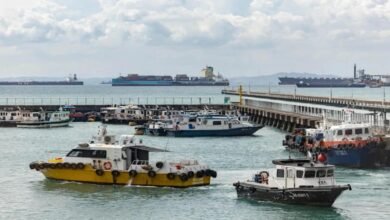
The Strait of Hormuz is unequivocally one of the most strategically important shipping lanes on the planet. Approximately one-fifth of the world’s total petroleum consumption, and a substantial portion of the globe’s liquefied natural gas (LNG), passes through this narrow stretch of water daily. Its geographical position, bordered by Iran to the north and Oman and the UAE to the south, makes it a critical conduit for oil tankers and cargo ships alike, linking major energy producers in the Persian Gulf with global markets. Any instability or threat to maritime navigation in this area has immediate and profound implications for energy prices, global trade, and economic stability.
Throughout history, the Strait of Hormuz has been a flashpoint for regional conflicts and international tensions. Recent years have seen a significant uptick in incidents targeting commercial vessels, including drone attacks, seizures, and acts of sabotage. These events have steadily eroded the sense of security that is fundamental to unhindered maritime operations, forcing shipping companies to continuously re-evaluate their risk assessments. The persistent threats necessitate robust security measures and, at times, difficult decisions regarding vessel routes, demonstrating the vulnerability of even the most established maritime routes to geopolitical volatility. The implications for international law and freedom of navigation are also constantly debated as states assert their influence in the region.
Maersk’s Proactive Stance: Prioritizing Safety and Stability
Maersk’s move to reroute two of its container vessels from the Strait of Hormuz is a testament to its commitment to crew safety and asset protection. For a company of Maersk’s stature, with a vast global fleet and intricate logistical networks, such decisions are never taken lightly. They typically follow exhaustive assessments of intelligence reports, security advisories, and internal risk analyses, all aimed at mitigating potential threats to its shipping operations. The paramount concern is always the well-being of the seafarers and the secure transit of valuable cargo, which forms the backbone of global commerce.
This strategic redirection underscores a broader industry trend where major shipping carriers are increasingly factoring geopolitical risks into their operational planning. While the primary objective is to maintain efficient service, the cost of an incident – whether financial, reputational, or human – far outweighs the potential savings of adhering to a shorter, more direct route through a high-risk zone. Maersk’s leadership in this regard sets a precedent, influencing operational adjustments across the wider maritime industry. It also highlights the increasing importance of comprehensive risk management and proactive contingency planning in an ever-changing global environment, emphasizing resilience in logistics and freight forwarding.
Operational Adjustments and Supply Chain Implications
The diversion of vessels from the Strait of Hormuz necessitates significant operational adjustments. Ships typically reroute via longer, alternative maritime pathways, often involving voyages around the Arabian Peninsula, potentially extending transit times by several days or even weeks. These extended voyages naturally incur higher operational costs due to increased fuel consumption, additional crew wages, and potentially higher insurance premiums for traversing longer, albeit safer, routes. For container ships carrying time-sensitive cargo, these delays can have a tangible impact on delivery schedules and supply chain reliability.
For consumers and businesses globally, these extended transit times and increased costs can translate into various economic consequences. Delayed deliveries of raw materials can disrupt manufacturing processes, while hold-ups in the shipment of finished goods can lead to shortages and ultimately higher prices for goods on shelves. This ripple effect underscores the intricate interconnectedness of global supply chains and how disruptions in one critical maritime choke point can have widespread economic repercussions. Businesses that rely heavily on goods transiting the Strait of Hormuz are compelled to develop more flexible freight forwarding strategies and diversified sourcing options to absorb these operational changes and maintain resilience.
Broader Industry Response and Future Outlook
Maersk’s decision is likely to prompt other major shipping lines to scrutinize their own risk exposure and potentially adopt similar diversion strategies. While some carriers may choose to absorb the risks, perhaps relying on enhanced security protocols or naval escorts, the trend toward cautious routing is gaining momentum amidst persistent regional instability. International naval forces and maritime security coalitions play a crucial role in patrolling high-risk areas, but their presence alone cannot guarantee absolute safety for all commercial vessels, particularly smaller or less-protected ones.
The long-term implications for maritime trade routes in the Middle East are significant. If instability persists or escalates, it could accelerate a shift towards alternative transit points or entirely different supply chain configurations, perhaps favoring land-based routes where feasible, or even re-evaluating sourcing from regions further afield. The ongoing challenge for the shipping industry is to adapt to these evolving threats while continuing to facilitate the immense volume of international trade that underpins the global economy. This necessitates continuous intelligence sharing, robust risk assessment, and collaborative efforts between industry, governments, and international organizations to ensure the safety of vital global shipping lanes.
Economic Repercussions and Global Trade Flow
Beyond immediate operational costs, the rerouting of vessels from the Strait of Hormuz has broader economic repercussions that affect global trade flows. Industries heavily reliant on precise just-in-time inventory management, such as automotive manufacturing and electronics, are particularly vulnerable to shipment delays. Disruptions can lead to production slowdowns, idle factories, and ultimately, a loss of revenue and market share. The cost of increased insurance premiums for container ships traversing perceived high-risk areas further burdens carriers, a cost often passed down through the supply chain to end-consumers.
Moreover, the uncertainty surrounding maritime security in such a crucial region can deter new investments in port infrastructure or related logistics ventures, impacting long-term economic development. Commodity markets, especially for oil and gas, react keenly to any perceived threat to transit through the Strait, leading to price volatility that can affect energy costs globally. The cumulative effect of these factors underscores how a localized geopolitical issue can have a cascading impact, prompting global businesses to re-evaluate their supply chain resilience and the strategic importance of diversifying shipping routes. The shift highlights a global pivot towards more robust, albeit potentially more expensive, logistics solutions.
Maersk’s decision to divert two vessels from the Strait of Hormuz is a stark reminder of the intricate link between geopolitical stability and the smooth functioning of global trade. It represents a pragmatic response to an unpredictable and dangerous environment, prioritizing the safety of its crew and assets over potential efficiencies of a shorter route. As the maritime industry continues to navigate these complex waters, flexibility, robust risk management, and a vigilant approach to security will remain paramount in ensuring the continuity and reliability of international container shipping and global supply chains. This move underscores a broader trend towards proactive risk mitigation in a world where key shipping lanes are increasingly exposed to external pressures.