Greek Shipowners Boost Feeder Container Orders | Mariner News
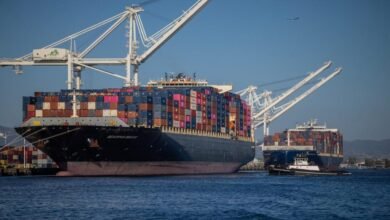
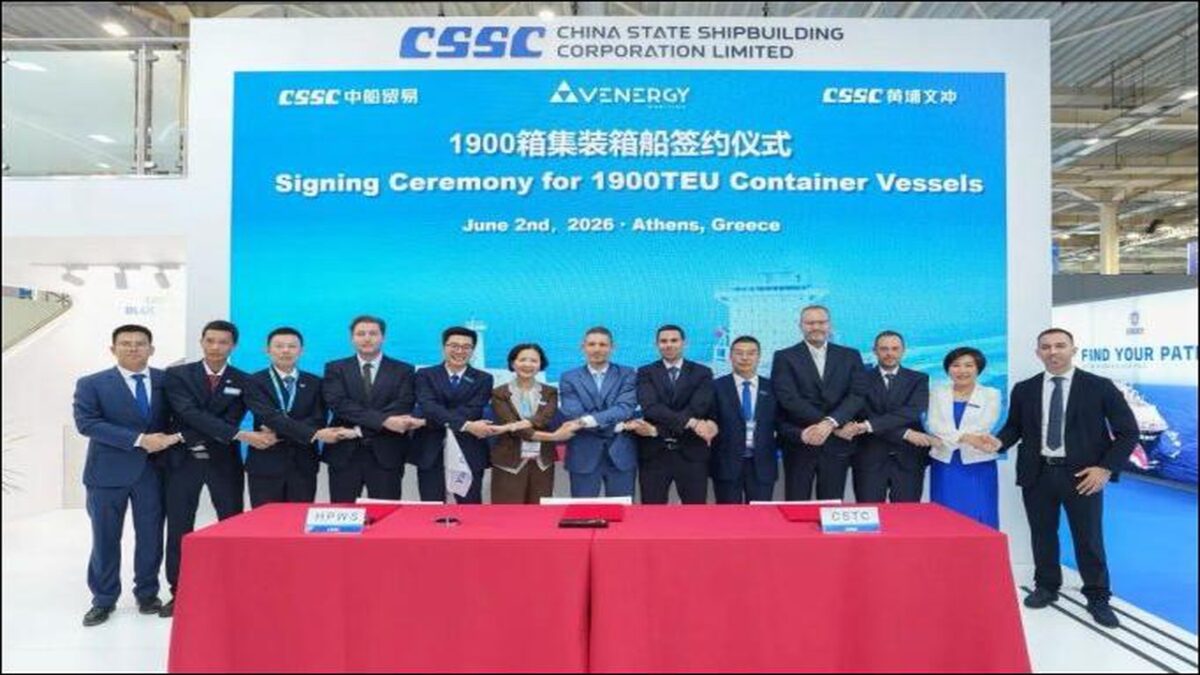
The global maritime industry is currently undergoing a profound transformation, driven by shifts in trade patterns, technological advancements, and a renewed emphasis on regional integration. At the forefront of this evolution, Greek shipowners are significantly expanding their container ship orders, a strategic move heavily concentrated on the feeder vessel segment. This decisive investment underscores a proactive response to the evolving demands of global supply chains, signaling a pivotal shift towards more flexible, regionally oriented shipping networks rather than solely relying on traditional long-haul routes. This development is not merely an incremental change but a structural realignment with far-reaching implications for the future of maritime logistics.
The container shipping market is navigating a period of deep structural realignment as global trade gradually recalibrates its axis. The traditional emphasis on vast, intercontinental voyages is subtly but surely giving way to a more nuanced approach, where agility and localized efficiency take precedence. Factors such as changing supply chain dynamics, the exponential rise of intra-regional trade flows, the imperative of the energy transition, and the burgeoning influence of artificial intelligence are collectively reshaping the sector’s opportunity set. Against this backdrop, the increasing momentum of Greek investment in smaller vessel segments, particularly feeder ships, is becoming a defining characteristic of this new era. This strategic foresight positions Greek maritime entities to capitalize on emerging market demands and solidify their influence in a rapidly evolving ecosystem.
The Shifting Landscape of Global Trade and Supply Chains
The fundamental premise of global trade is being re-evaluated. For decades, the paradigm was one of maximum globalization, characterized by extensive, complex supply chains stretching across continents. However, recent disruptions—from geopolitical tensions to pandemics—have exposed the vulnerabilities inherent in such systems. Consequently, there’s a growing inclination towards diversification and regionalization. This doesn’t signify an end to globalization but rather its intelligent reshaping. Instead of a monolithic, one-size-fits-all approach, we are witnessing the emergence of interconnected regional hubs, where goods are processed, distributed, and consumed with greater speed and less logistical friction. This trend is further fueled by consumer demands for faster delivery and increased transparency, pushing businesses to re-evaluate their logistical footprints and embrace localized solutions.
Evidence for this structural trade shift is compelling. Analyses from leading maritime intelligence firms like Braemar and Linerlytica highlight a significant increase in regional trade agreements. From approximately 300 in 2020, this number has surged to nearly 400 today, now encompassing an impressive 60% of global trade. These statistics are not abstract; they represent concrete policy decisions and business strategies aimed at fostering closer economic ties within specific geographic areas. The ramifications for the container shipping market are profound. As production and consumption centers become more regionally integrated, the demand for efficient, high-frequency feeder services naturally intensifies. These feeder vessels act as crucial arteries, connecting smaller ports to larger transshipment hubs, facilitating the seamless flow of goods within regional networks and onwards to international destinations.
Greek Maritime Investment: A Strategic Focus on Feeder Vessels
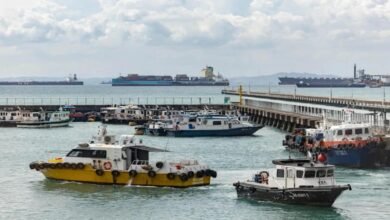
Greek shipowners, renowned for their astute market foresight and adaptability, have historically played a pivotal role in shaping the global shipping industry. Their current pivot towards feeder vessels is a testament to this legacy. By investing heavily in these smaller, more versatile container ships, they are strategically positioning themselves to cater to the burgeoning intra-regional trade. Feeder ships, typically ranging from 1,000 to 3,000 TEU (twenty-foot equivalent unit), offer greater flexibility in port calls and can navigate smaller waterways, making them indispensable for optimizing regional logistics. This segment of the boxship fleet is becoming increasingly vital as global supply chains fragment and diversify, demanding more agile and localized distribution solutions.
This investment strategy is not solely about responding to current trends but anticipating future market dynamics. The World Bank, in a recent analysis, projects the potential for a significantly more dynamic decade from 2030 onwards, contingent on the activation of key growth drivers. Among these, deeper regional trade integration and AI-driven demand, intrinsically linked to the digital economy, stand out. Greek shipping magnates are clearly aligning their fleet expansion plans with these long-term forecasts. By enhancing their capacity in feeder container vessels, they are building a resilient and adaptable fleet capable of serving the complex, multi-modal transportation networks that will define the coming decades. This proactive approach ensures their continued relevance and leadership in the evolving global maritime landscape, securing their competitive edge in a highly competitive sector.
The Rise of Regional Trade and its Impact on Container Shipping
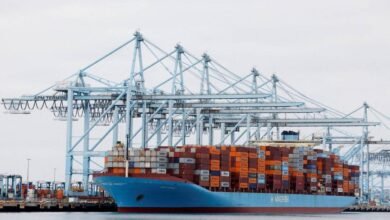
The proliferation of regional trade blocs and agreements is fundamentally altering the operational landscape for container shipping. While mega-ships on Asia-Europe or Trans-Pacific routes will continue to be important, the growth engine is increasingly moving to shorter, more frequent intra-regional voyages. This necessitates a robust fleet of feeder vessels capable of serving diverse port infrastructure, including those with draft limitations or smaller handling capacities. The efficiency and reliability of these feeder services become paramount, as they are the connective tissue linking local markets to global trade arteries. This shift demands innovative logistical solutions, including optimized routing, enhanced port turnaround times, and seamless integration with inland transportation networks.
Furthermore, the increasing focus on supply chain resilience means that companies are less willing to put all their eggs in one basket, or rather, all their cargo on one ultra-large container vessel traversing a single, potentially vulnerable route. Diversifying shipping options through regional hubs, enabled by an efficient feeder network, provides greater security and flexibility. Should a major international route be disrupted, regional networks can often adapt more quickly, rerouting cargo through alternative ports and minimizing delays. This strategic advantage, offered by a strong feeder fleet, translates directly into enhanced supply chain reliability for clients, making such services highly attractive in today’s unpredictable economic environment.
Technological Advancements and Sustainability in Feeder Fleets
Modern feeder vessels are not simply smaller versions of their larger counterparts; they are increasingly incorporating advanced technologies aimed at improving efficiency, safety, and environmental performance. Innovations in propulsion systems, including LNG, methanol, and potentially ammonia-ready engines, are becoming standard as the industry strives to meet ambitious decarbonization targets. Digitalization also plays a crucial role, with sophisticated navigation systems, optimized vessel routing software, and real-time data analytics enhancing operational effectiveness and reducing fuel consumption. These technological enhancements are vital for ensuring that feeder fleets remain competitive and compliant with evolving environmental regulations.
The emphasis on sustainability extends beyond just fuel. The design of new feeder ships often incorporates features like shore power connectivity, improved hull designs for reduced drag, and advanced waste management systems. Shorter regional routes inherently offer a lower carbon footprint per journey compared to transcontinental voyages, especially when combined with optimized speeds and efficient port operations. Greek shipowners are acutely aware of these environmental pressures and are investing in future-proof vessels that align with the maritime industry’s green agenda. This commitment to eco-friendly operations not only addresses regulatory requirements but also enhances their brand reputation and appeals to increasingly environmentally conscious cargo owners.
Future Outlook: The Role of AI and Regional Integration
The decade from 2030 onwards is anticipated to be particularly dynamic, with artificial intelligence set to play an increasingly transformative role in the shipping industry. AI-driven demand, linked to the digital economy, will optimize everything from cargo booking and vessel scheduling to predictive maintenance and port logistics. For feeder networks, AI can revolutionize efficiency by forecasting demand more accurately, optimizing vessel utilization, and streamlining intermodal transfers. This level of sophistication will be critical for managing the complexities of highly integrated regional trade flows, ensuring cargo moves swiftly and cost-effectively from origin to destination.
As regional trade integration deepens, the need for robust, intelligent logistical frameworks will become paramount. Feeder vessels, supported by advanced digital platforms and AI, will form the backbone of these new trade architectures. The proactive investment by Greek shipowners in this segment demonstrates a clear vision for navigating this future. Their commitment to expanding and modernizing their feeder container ship capacity not only positions them for sustained growth but also contributes significantly to building a more resilient, efficient, and sustainable global maritime ecosystem. The strategic importance of feeder vessels is set to grow exponentially, making this a pivotal period for the future of container shipping.