Strait of Hormuz Ship Evacuation Paused After Oman Attack | Mariner News
The maritime world is on high alert as the IMO Pauses Hormuz Ship Evacuation plan, a critical decision prompted by a recent vessel attack off Oman. This significant development, centered around the volatile Strait of Hormuz, underscores the ever-present dangers confronting international shipping lanes and the brave seafarers navigating them. The International Maritime Organization’s temporary suspension of its vital program, designed to facilitate safe passage through this strategic chokepoint, sends ripples of concern across global trade. It emphasizes the urgent need for enhanced maritime security measures. The incident off Oman has compelled authorities to reassess the operational environment, questioning foundational safety guarantees crucial for any movement in such a high-stakes region. This article delves into the IMO’s decision, escalating geopolitical tensions, and the profound impact on global shipping and seafarer welfare.
Understanding the IMO’s Swift Response to Maritime Threats
The International Maritime Organization (IMO) has taken decisive action, temporarily halting its crucial Hormuz ship evacuation framework. This pause directly follows a distressing vessel attack off Oman, an incident that, while not involving a ship under the IMO’s specific evacuation program, undeniably highlighted the precarious security landscape. Arsenio Dominguez, Secretary-General of the IMO, confirmed the suspension, emphasizing paramount navigational safety and seafarer protection.
Dominguez stated the decision was made to “reconfirm that the necessary safety guarantees continue to be in place for the ships on our evacuation list and all those in the region.” This cautious approach reflects the IMO’s mandate: to ensure safe, secure, and environmentally sound international shipping. The evacuation plan itself was a direct response to escalating threats, aiming to provide coordinated passage for vessels and crews at heightened risk within the Strait of Hormuz and surrounding waters. Previous evacuations’ success underscores its necessity, making the current pause a stark indicator of increased danger.
This temporary halt is a strategic recalculation of risks, not an abandonment of commitment. It signals intense scrutiny, where intelligence gathering and threat assessment are critically important. For an international body to suspend such a vital operation, the perceived threat must be substantial, impacting the trust required for safe operations. This move effectively places the onus on regional and international security forces to provide assurances for the plan’s resumption, ensuring the integrity of maritime security protocols. The global shipping community now awaits further clarity and renewed safety assurances, recognizing the immense challenges posed by persistent regional instability.
Geopolitical Tensions Escalating in the Strait of Hormuz
The Strait of Hormuz is arguably the world’s most critical oil chokepoint, a narrow waterway connecting the Persian Gulf with the Arabian Sea. Over a fifth of global oil consumption, alongside significant liquefied natural gas, transits daily through this strategic passage, making it an indispensable artery for global energy markets and seaborne commerce. Its geopolitical significance is immense, situated between Iran and Oman, with Iran having repeatedly threatened to disrupt shipping in response to international pressures.
The recent vessel attack off Oman serves as a stark reminder of the region’s volatile nature, where maritime incidents can rapidly escalate. Just prior to this, the Iranian Navy issued a stern warning, insisting that ships traversing the Strait of Hormuz must adhere strictly to Iran-designated routes, cautioning against deviations. This directive adds complexity and potential confrontation to an already tense environment, challenging internationally recognized principles of freedom of navigation.
In an attempt to mitigate these rising risks, Oman, in coordination with the IMO, had earlier announced a temporary shipping corridor. This initiative aimed to streamline and secure commercial vessel movement through the perilous region, offering hope for continuous, safe transit. However, the subsequent attack, occurring outside this proposed framework but within the general vicinity, tragically underscored the limitations and vulnerabilities of even carefully planned security measures. The incident highlights the intricate web of regional rivalries and naval posturing that constantly threatens this vital waterway, placing maritime security at the forefront of international concerns and demanding unified diplomatic resolution.
The Critical Impact on Global Shipping and Seafarer Welfare
The IMO’s decision to pause its Hormuz ship evacuation plan deeply impacts the global shipping industry. For oil and gas tankers, bulk carriers, and container ships, the Strait of Hormuz is an unavoidable chokepoint. Even a perceived heightened risk immediately translates into economic impacts, including surging insurance premiums for regional operations. These increased costs are inevitably passed down the supply chain, affecting global consumers and potentially contributing to inflationary pressures on energy and goods.
Beyond financial implications, the human element of maritime security remains paramount. Thousands of seafarers navigate these dangerous waters daily. News of a vessel attack off Oman and the suspension of an evacuation plan designed for their safety can profoundly impact morale and mental well-being. Crews may face prolonged uncertainty, potentially stranded in high-risk zones, experiencing heightened anxiety and stress. Ensuring the welfare of these essential workers, the backbone of global trade, becomes an even more pressing concern for shipping companies and international organizations.
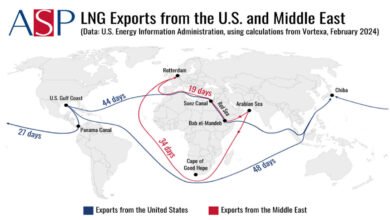
Furthermore, persistent threats to shipping safety in the Strait of Hormuz compel companies to re-evaluate operational strategies. This could lead to longer, more costly alternative routes, such as circumnavigating Africa, significantly increasing transit times, fuel consumption, and operational expenses. Such diversions disrupt established supply chain logistics, causing delays in critical commodity delivery. The ripple effect extends from origin to consumer, emphasizing that maritime security issues in a critical artery like Hormuz are truly global, necessitating robust international cooperation and proactive risk management to safeguard trade and lives.
Navigational Safety and Future Outlook for the Region
Ensuring navigational safety within the Strait of Hormuz is an intricate challenge, demanding sustained diplomatic engagement, de-escalation of regional tensions, and collective commitment to upholding international maritime law. The IMO’s decision to pause the Hormuz ship evacuation signals that the current environment lacks fundamental assurances for safe passage. The path forward necessitates re-evaluation of security protocols, intelligence sharing, and potentially, new international frameworks to manage risks in this highly sensitive area.
The immediate future for shipping through the Strait of Hormuz appears uncertain. While the IMO pauses evacuation efforts to reconfirm safety, underlying geopolitical friction remains unresolved. This calls for concerted efforts from major international powers and regional actors to reduce further incidents. Establishing secure communication channels, adhering to maritime rules, and transparently reporting suspicious activities are crucial steps towards restoring confidence among shipowners, operators, and especially, the seafarers most at risk.
Long-term stability in the Strait of Hormuz hinges on broader resolution of regional conflicts and improved diplomatic relations. Until then, the maritime community will likely face elevated risks and operational complexities. The ongoing vigilance of organizations like the IMO, coupled with proactive measures by individual nations and shipping companies, will be essential in navigating this volatile landscape. The goal remains to ensure this vital global artery can safely facilitate international trade, protecting valuable cargo and, most importantly, the lives of those who work at sea. Robust maritime security is vital to prevent further disruptions and protect the integrity of global shipping lanes.