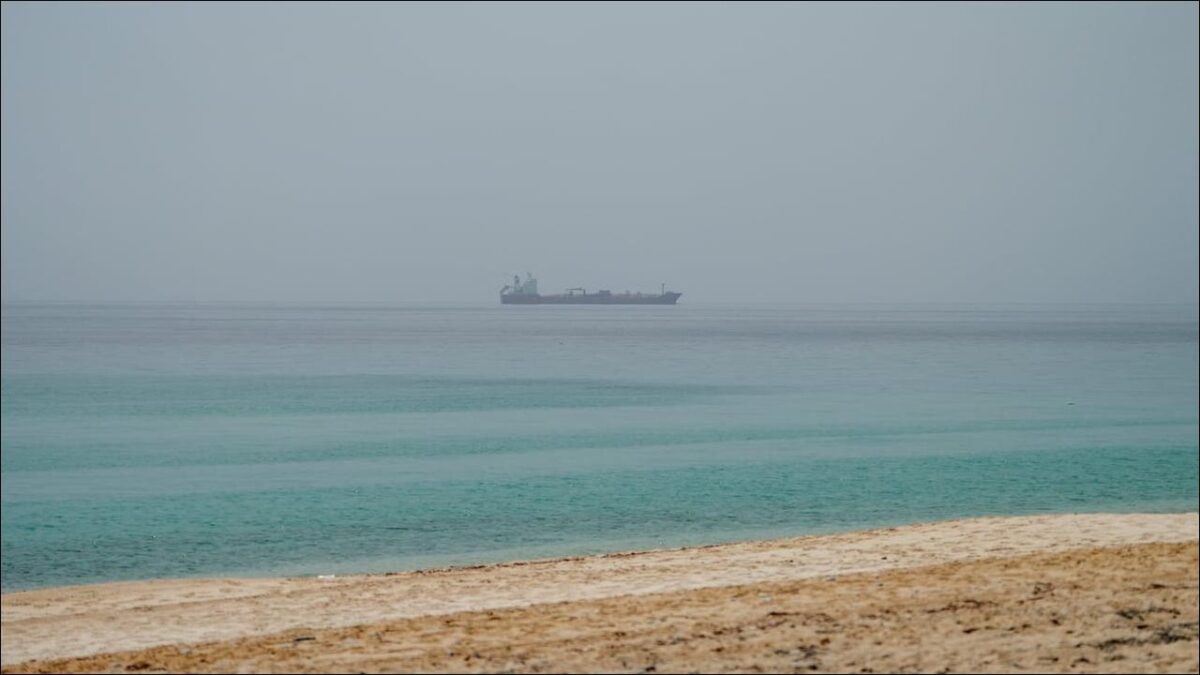
Strait of Hormuz Evacuation Halted for Ships & Seafarers | Mariner News
The critical decision regarding the potential evacuation of ships and seafarers from the Strait of Hormuz has been put on hold, creating a period of uncertainty for the global maritime industry. This development comes amid heightened geopolitical tensions in the region, which frequently impact shipping lanes vital for international trade, particularly crude oil and natural gas transit. The initial considerations for an evacuation underscored serious concerns about the safety of vessels and personnel navigating this strategic chokepoint. The current pause suggests a complex interplay of diplomatic efforts, operational challenges, and a careful reassessment of the immediate threat landscape. For shipping companies, mariners, and global economies, understanding the implications of this delay is paramount.
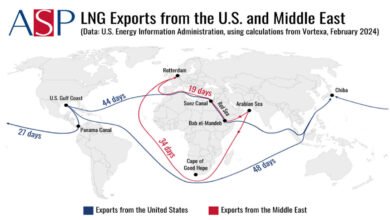
The Strait of Hormuz is not merely a narrow waterway; it is arguably the world’s most significant maritime oil chokepoint, connecting the Persian Gulf to the open ocean. Approximately one-fifth of the world’s total oil consumption, and a substantial portion of liquefied natural gas (LNG), passes through this strait daily. Its strategic importance makes it a focal point for geopolitical rivalries and potential flashpoints, where any disruption can send ripple effects across international markets. Countries bordering the Strait, including Iran and Oman, play crucial roles in its control and navigation protocols. The security of navigation in these international waters is therefore a matter of global concern, involving navies and security agencies from numerous nations committed to maintaining freedom of passage for commercial vessels.
Strait of Hormuz: A Critical Global Maritime Chokepoint
The Strait of Hormuz represents a geographical bottleneck with immense strategic and economic significance. Measuring approximately 21 nautical miles (39 kilometers) wide at its narrowest point, with a shipping channel only two miles wide in each direction, it is a non-optional route for the vast majority of seaborne oil and gas exports from the Middle East. Major oil producers like Saudi Arabia, Iran, UAE, Kuwait, and Iraq rely heavily on this passage to transport their hydrocarbon resources to global markets. This constant flow of tanker traffic makes it a magnet for political and military attention, especially given the turbulent history of the region.
Historically, the Strait has been a theater for numerous incidents, including naval confrontations, mine attacks, and vessel seizures. These events consistently highlight the fragility of maritime security in the area and the persistent threat to commercial shipping. The inherent vulnerability of such a vital chokepoint necessitates rigorous security protocols and constant vigilance from international naval forces. Any perceived or actual threat to navigation within the Strait triggers immediate concerns about global energy supply, demonstrating why the status of ship evacuation plans carries such weight and urgency for the broader maritime industry and global economy.
Analyzing the Pause: Factors Behind the Evacuation Hold
The decision to place the evacuation of ships and seafarers from the Strait of Hormuz on hold is likely multifaceted, reflecting a nuanced approach to an evolving security situation. One primary factor could be a temporary de-escalation of tensions. Intensive diplomatic back channels and international mediation efforts might have succeeded in diffusing immediate threats, leading to a reassessment of the necessity for large-scale vessel movements. Such efforts often occur away from public view, aiming to prevent overt conflict and maintain stability in a volatile region. This de-escalation could involve agreements or understandings between regional powers and international actors, reducing the perceived risk level for commercial vessels.
Furthermore, logistical complexities associated with a mass ship evacuation could play a significant role. Moving a substantial number of diverse vessels – from massive oil tankers and gas carriers to container ships and bulk carriers – out of a busy shipping lane requires immense coordination, resources, and time. Port capacities, anchoring availability, and the administrative burden of rerouting thousands of voyages could be overwhelming. There might also be a strategic calculation that a mass evacuation, while intended for safety, could inadvertently signal weakness or exacerbate panic, potentially inviting further destabilization. Thus, the hold might be a calculated move to avoid unintended consequences while buying time for a more sustainable resolution.
Impact on Maritime Operations and Seafarer Welfare
For maritime operations, the hold on the evacuation plan means that vessels continue to transit the Strait of Hormuz under existing security advisories, albeit with heightened awareness. Shipping companies must maintain robust contingency plans, constantly updating their risk assessments and ensuring their crews are fully briefed on emergency procedures. This situation directly impacts crew safety and the psychological well-being of seafarers. Operating in a known high-risk area, even when an evacuation is on hold, creates significant stress and anxiety. The mental health of crews navigating these challenging waters is a critical consideration for shipowners and industry stakeholders.
The economic implications for shipping companies are also considerable. Insurance premiums for vessels transiting the Gulf region typically soar during periods of elevated tension, directly impacting operational costs. Furthermore, potential delays due to increased security checks, rerouting instructions, or even just the inherent caution exercised by vessel masters can affect schedules and supply chain efficiency. Companies involved in global trade through this route face the constant challenge of balancing commercial imperatives with the paramount need for safety and security. The ongoing uncertainty regarding the evacuation status demands continuous adaptation and robust risk management strategies for all involved parties.
Economic Repercussions and Global Energy Security
The Strait of Hormuz is inextricably linked to global energy security. Any disruption, or even the credible threat of disruption, to its free flow of oil and gas has immediate and far-reaching economic repercussions. News of an evacuation, or its hold, can trigger volatility in global crude oil prices, impacting economies worldwide. Major energy consumers, particularly in Asia, are heavily reliant on stable shipments through the Strait, making price spikes a significant concern for their national economies and industrial sectors.
Beyond oil prices, the broader supply chain network feels the ripple effect. Increased insurance rates for vessels directly contribute to higher freight costs, which are ultimately passed on to consumers. Companies in various industries, from manufacturing to retail, face potential delays and increased expenses for goods transported via this crucial maritime corridor. The unpredictability generated by such geopolitical tensions forces businesses to reassess their inventory management, logistics planning, and even long-term investment strategies. The ongoing situation in the Gulf region underscores the interconnectedness of energy, trade, and geopolitics on a global scale.
Navigating Future Challenges in the Gulf Region
Looking ahead, the situation in the Strait of Hormuz remains dynamic and demands continuous monitoring. The hold on the evacuation plan does not signal an end to regional tensions but rather a temporary pause, or perhaps a recalibration of strategies. The international community, led by major maritime powers, continues to advocate for freedom of navigation and the de-escalation of conflicts. This involves maintaining a strong naval presence in the region, conducting joint patrols, and sharing intelligence to enhance maritime security for commercial vessels.
For the maritime industry, adaptability and foresight are crucial. This includes investing in advanced navigation and communication technologies, implementing enhanced security training for seafarers, and fostering closer collaboration between private shipping entities and governmental security agencies. Developing robust contingency plans, exploring alternative, albeit longer and costlier, shipping routes, and engaging in proactive risk mitigation will remain priorities. The goal is to ensure the uninterrupted flow of global trade while safeguarding the lives of mariners and protecting valuable assets in a region that will undoubtedly continue to present complex geopolitical and operational challenges for the foreseeable future. The decision regarding the evacuation of ships and seafarers from the Strait of Hormuz serves as a stark reminder of the ongoing need for vigilance and preparedness.
In conclusion, the decision to put the evacuation of ships and seafarers from the Strait of Hormuz on hold highlights the delicate balance between geopolitical imperatives and the practicalities of maritime operations. While the immediate threat may have subsided or been reassessed, the fundamental strategic importance of this chokepoint ensures that it will remain a focal point for global security and economic stability. The maritime industry must remain agile, prioritizing seafarer welfare and robust maritime security measures, while governments continue diplomatic efforts to ensure the long-term safety and freedom of navigation through this indispensable waterway. The evolving situation demands constant attention and a unified approach to safeguard global trade and the lives of those who make it possible.