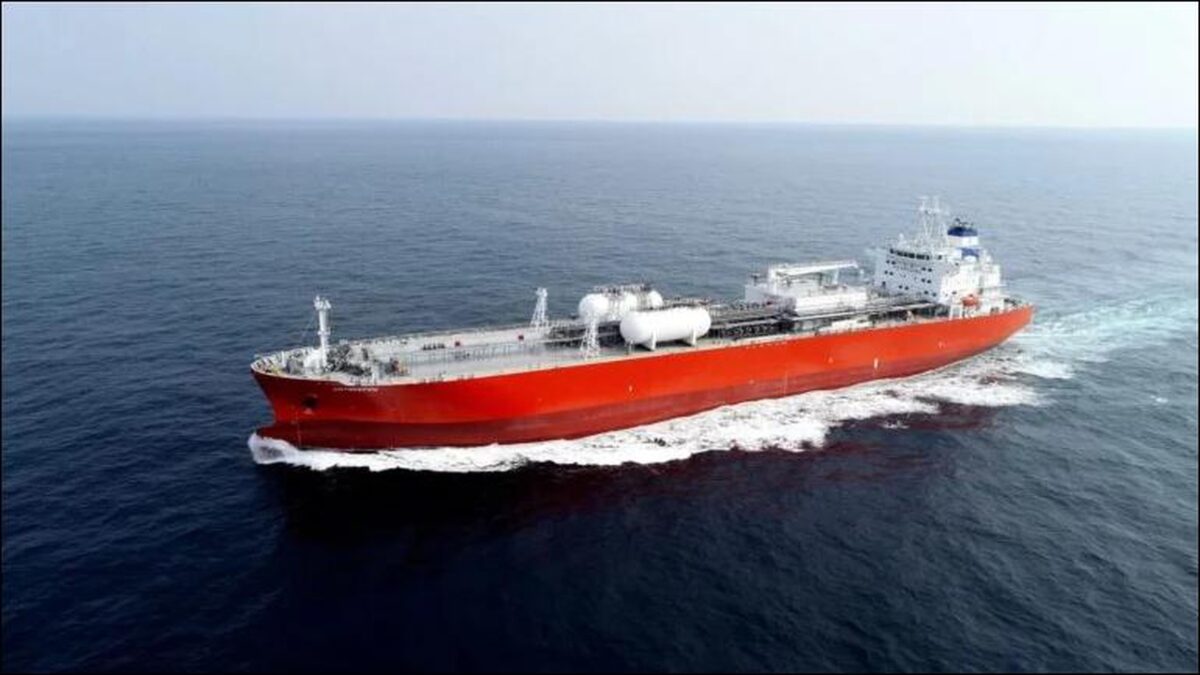
Exmar Takes Delivery of LPG Dual-Fuel Gas Carrier | Mariner News
In a significant move towards more sustainable maritime operations, leading transportation company Exmar has announced the successful delivery of a new LPG dual-fuel gas carrier for its French subsidiary, Exmar France. This latest addition to their fleet underscores Exmar’s commitment to adopting advanced, cleaner marine fuel technologies and strengthens its position at the forefront of the industry’s drive for decarbonization. The introduction of such vessels marks a crucial step in reducing the environmental impact of global shipping, offering a tangible solution for emissions reduction in an sector increasingly scrutinized for its ecological footprint.
The delivery of this state-of-the-art vessel represents a pivotal moment not just for Exmar, but for the broader maritime community. As the shipping industry grapples with stringent environmental regulations and mounting pressure to reduce greenhouse gas emissions, the adoption of dual-fuel capabilities, particularly those utilizing liquefied petroleum gas (LPG), presents a compelling pathway forward. This strategic investment by Exmar exemplifies a proactive approach to navigating the energy transition, ensuring operational flexibility while contributing to a healthier planet. The vessel’s ability to operate on both LPG and conventional marine fuels provides a practical bridge towards a completely decarbonized future, allowing for adaptation to evolving fuel availability and regulatory landscapes. It highlights a pragmatic innovation in vessel design and propulsion systems that promises both environmental benefits and long-term operational viability.
Exmar’s Expanding Green Fleet: The Moriond’s Role in Sustainable Shipping
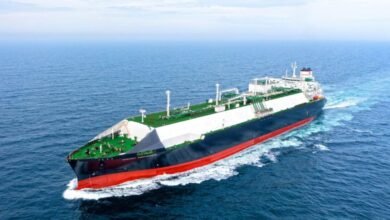
Named Moriond, this impressive 41,000 cubic meter midsize gas carrier is not just another ship; it is the third LPG dual-fuel carrier to join Exmar France’s sophisticated fleet. This pattern of investment clearly demonstrates Exmar’s strategic direction towards building a more environmentally friendly and future-proof maritime transportation portfolio. The Moriond’s capacity to run on either LPG or traditional marine fuels offers unparalleled operational flexibility, allowing Exmar to optimize fuel consumption based on market conditions, bunkering infrastructure availability, and specific voyage requirements. This dual-fuel capability is a critical feature in today’s dynamic shipping environment, where fuel choices are increasingly influenced by both economic factors and ecological imperatives.
Exmar’s dedication to sustainable shipping is further evidenced by its consistent expansion of vessels equipped with advanced propulsion systems. The Moriond, as the third such vessel, solidifies Exmar’s pioneering role in integrating cleaner energy solutions into its operations. This commitment is not merely about compliance; it’s about leading the charge in maritime innovation and demonstrating a viable path for others to follow. By investing in these cutting-edge LPG dual-fuel gas carriers, Exmar is not only enhancing its own fleet’s efficiency and environmental performance but also contributing significantly to the broader industry’s knowledge base and experience with alternative marine fuels. This cumulative experience is invaluable as the sector collectively strives to meet ambitious decarbonization targets set for the coming decades.
The Rise of LPG as a Maritime Fuel: A Niche Growing Wider
While LPG remains a somewhat niche alternative bunker fuel, predominantly utilized by gas carriers themselves, its profile is steadily rising within the maritime industry. The inherent advantages of LPG, including lower carbon emissions, negligible sulfur oxide (SOx) emissions, and reduced particulate matter, make it an attractive option for forward-thinking shipping companies. The global LPG-fuelled fleet currently stands at 168 ships, with an additional 149 vessels anticipated for delivery by 2030, according to comprehensive data compiled by classification society DNV. A significant majority of these vessels are, predictably, gas carriers, which benefit from the direct compatibility of their cargo with their fuel source. This synergy creates a compelling economic and operational case for adopting LPG as a primary marine fuel.
However, the increasing adoption of LPG is not limited solely to gas carriers. As bunkering infrastructure develops and the economic benefits become more apparent, it is expected that other vessel types will begin to explore LPG as a viable alternative to conventional fuels. The environmental benefits, in particular, are a strong driver, aligning with global efforts to combat climate change and reduce air pollution from shipping. The growing fleet statistics reflect a clear trend towards greater acceptance and integration of LPG as a mainstream marine fuel, signaling a promising trajectory for its wider application across various segments of the shipping industry. This expansion will be crucial in diversifying the portfolio of clean fuel options available to shipowners and operators.
Navigating the Future of Marine Propulsion with Cleaner Fuels
The maritime sector is currently undergoing a profound transformation, driven by the imperative to decarbonize and embrace cleaner energy sources. The delivery of vessels like the Moriond underscores the industry’s ongoing efforts to navigate this complex transition. While LPG offers a compelling solution for certain vessel types, it is part of a broader tapestry of alternative marine fuels being explored, including LNG, methanol, biofuels, and hydrogen, alongside emerging technologies like ammonia. Each fuel presents its unique set of challenges and opportunities in terms of production, storage, bunkering infrastructure, and operational safety. Exmar’s diversified approach to green technologies is notable; earlier this month, the company also took delivery of the world’s first oceangoing vessel capable of running on ammonia, highlighting its innovative spirit and commitment to exploring multiple pathways towards zero-emission shipping. This multi-faceted strategy positions Exmar as a leader in maritime innovation, ready to adapt to the future fuel landscape.
This holistic view of fuel transition acknowledges that there may not be a single ‘silver bullet’ solution for the entire global fleet. Instead, a combination of different sustainable marine fuels and propulsion technologies will likely be required, tailored to specific vessel types, trade routes, and operational demands. Collaborative efforts between shipowners, fuel producers, technology providers, and regulators are essential to accelerate the development of necessary infrastructure and establish robust safety standards for these new fuels. The journey towards a fully decarbonized shipping industry is long and complex, but each new LPG dual-fuel gas carrier delivered, and every innovation in alternative propulsion, brings the industry closer to its ambitious environmental goals. The ongoing research and development in this field are crucial for unlocking scalable and economically viable solutions.
Economic and Environmental Advantages of Dual-Fuel Technology
The adoption of dual-fuel technology, particularly for LPG, brings with it a host of significant economic and environmental advantages that are reshaping the maritime industry. From an environmental perspective, running on LPG substantially reduces carbon dioxide (CO2) emissions compared to conventional heavy fuel oil, contributing directly to global climate change mitigation efforts. Furthermore, LPG combustion produces virtually no sulfur oxides (SOx) or particulate matter, significantly improving air quality in port areas and along shipping lanes, which is a critical concern for coastal communities and marine ecosystems. These reductions help shipowners comply with increasingly stringent international regulations, such as the IMO 2020 sulfur cap and upcoming greenhouse gas intensity targets.
Operationally, dual-fuel vessels offer inherent flexibility and resilience. The ability to switch between LPG and traditional marine fuels provides security against potential price fluctuations or supply disruptions of any single fuel type. This flexibility can lead to significant operational cost savings over the lifespan of a vessel, making the initial investment in dual-fuel technology economically sound. Moreover, as the demand for greener shipping solutions grows from cargo owners and consumers, vessels with reduced environmental footprints like the Moriond are becoming more attractive in the competitive charter market. This market premium for sustainable shipping offers an additional financial incentive for companies like Exmar to continue investing in advanced, eco-friendly technologies, demonstrating that environmental responsibility can go hand-in-hand with commercial success. The long-term outlook for such vessels appears robust, as they align perfectly with the evolving demands of a sustainability-conscious global economy.
Exmar’s Vision for Sustainable Maritime Transport and Beyond
Exmar’s consistent investment in advanced LPG dual-fuel gas carrier vessels, alongside explorations into other pioneering fuels like ammonia, firmly positions the company as a vanguard in sustainable maritime transport. Their vision extends beyond mere compliance; it’s about actively shaping the future of shipping by embracing innovative technologies that deliver both environmental stewardship and operational excellence. This proactive stance not only enhances Exmar’s brand reputation but also contributes significantly to the collective industry effort to achieve ambitious decarbonization targets. Their leadership provides a practical blueprint for other shipping companies contemplating their own energy transition strategies, showcasing how strategic investment in cleaner fuels can yield long-term benefits.
Looking ahead, the ongoing adoption of such sophisticated vessels will undoubtedly have a transformative impact on the global supply chain, promoting cleaner, more efficient transportation of goods. As more ports develop the necessary bunkering infrastructure for alternative fuels like LPG, the operational benefits and accessibility of these greener options will only grow. Exmar’s commitment to building a future-proof fleet demonstrates an unwavering dedication to environmental responsibility and innovation, inspiring continued progress across the entire maritime sector. The industry’s journey towards a truly sustainable future is complex, but with pioneers like Exmar leading the way, the path forward appears clearer and more attainable, encouraging ongoing collaboration and technological advancement for a cleaner, greener shipping world.