PowerCell Wins Major Hydrogen Fuel Cell Ship Order | Mariner News
A Landmark Victory for Green Shipping with PowerCell’s Hydrogen Fuel Cell Order
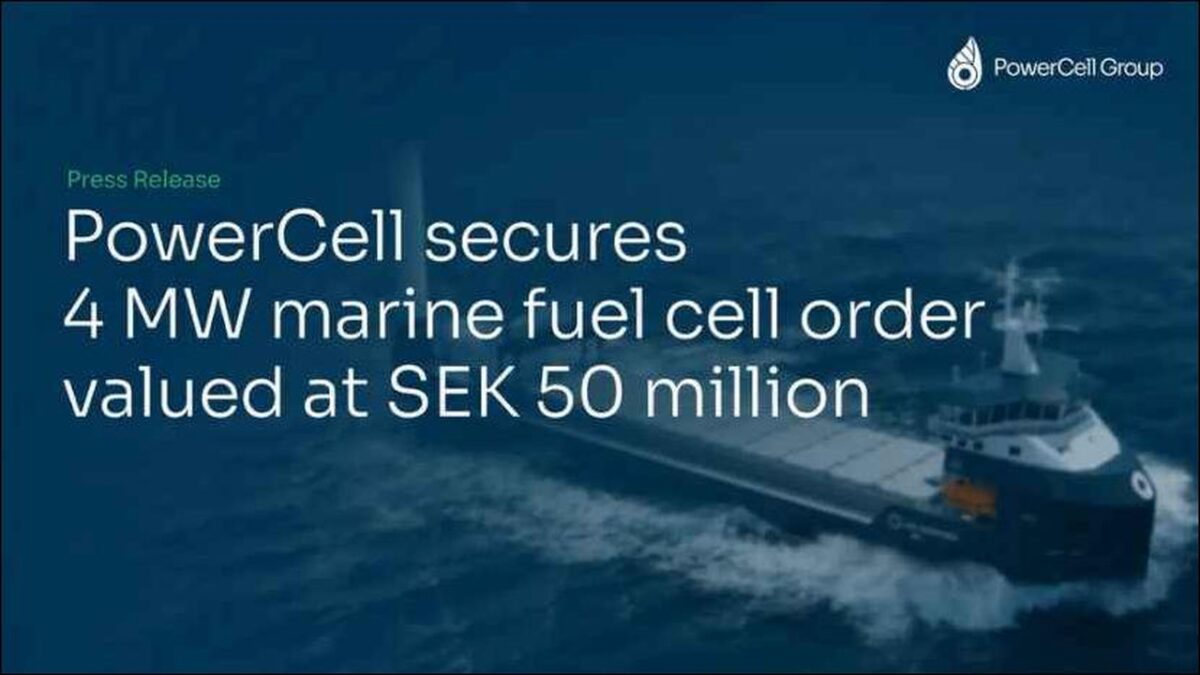
In a monumental leap forward for sustainable maritime transport, PowerCell Group has officially secured a significant PowerCell fuel cell order to supply its cutting-edge hydrogen fuel cell systems for two groundbreaking Norwegian hydrogen-fuelled ships. This pivotal contract, valued at approximately SEK 50 million (equivalent to $5.2 million), underscores a growing global commitment to decarbonizing the shipping industry and firmly positions hydrogen as a viable, clean energy solution for future marine operations. The project involves equipping two new cargo vessels being constructed for LH2 Shipping, a Norwegian enterprise dedicated to pioneering zero-emission vessels.
This substantial PowerCell fuel cell order includes the provision of 4 MW of installed power, leveraging PowerCell’s highly regarded Marine System 225 platform. Deliveries for this transformative project are strategically scheduled to conclude by 2028, ensuring these next-generation hydrogen-fuelled ships are operational within the coming years. Beyond the initial supply of marine hydrogen power systems, PowerCell and LH2 Shipping are also poised to establish a long-term service agreement, meticulously designed to cover the entire operational lifetime of these innovative cargo vessels, highlighting a comprehensive approach to sustainable maritime solutions.
Stig Kallestad, Commercial Director at PowerCell, eloquently captured the essence of this achievement, stating, “This project demonstrates how fuel cells are increasingly being considered for larger and more demanding maritime applications.” His comments emphasize the burgeoning confidence in hydrogen fuel cells not just as a niche technology, but as a robust and scalable solution for significant marine propulsion challenges. This collaboration is a testament to the joint efforts of industry leaders and forward-thinking companies in advancing green shipping initiatives globally, particularly within the challenging environmental context of the North Sea.
The Imperative for Hydrogen-Fuelled Ships in Maritime Decarbonization
The global shipping industry faces immense pressure to drastically reduce its carbon footprint and harmful emissions. International maritime organizations, including the IMO, have set ambitious targets for maritime decarbonization, driving a powerful shift towards alternative fuels and innovative propulsion systems. In this context, hydrogen-fuelled ships are emerging as a frontrunner, offering a compelling pathway to achieving zero-emission maritime transport. Unlike traditional fossil fuels, hydrogen combustion or electrochemical conversion in fuel cells produces only water and heat, eliminating greenhouse gas emissions and air pollutants such as NOx and SOx.
This urgent need for cleaner shipping solutions is particularly acute in environmentally sensitive regions like the North Sea, where the new Norwegian hydrogen ships will operate. These waters are vital ecosystems and busy trade routes, making the adoption of sustainable shipping practices not just an environmental imperative but also a strategic economic advantage. The project signifies a proactive response to these challenges, demonstrating that large-scale application of hydrogen fuel cells in commercial cargo vessels is not merely theoretical but rapidly becoming a practical reality.
Investing in clean energy solutions like hydrogen fuel cells is crucial for future-proofing the shipping industry. It represents a significant departure from reliance on conventional fuels, which are subject to price volatility and increasing regulatory scrutiny. By embracing alternative fuels such as hydrogen, the maritime sector can mitigate risks, enhance energy independence, and contribute meaningfully to global climate goals. PowerCell’s latest order underscores this paradigm shift, paving the way for a more resilient and environmentally responsible marine propulsion landscape.
PowerCell’s Advanced Fuel Cell Solutions for Marine Applications
At the heart of this transformative project is PowerCell’s advanced Marine System 225 platform, a highly efficient and robust fuel cell system designed specifically for demanding marine environments. This modular and scalable platform is engineered to deliver reliable power with minimal environmental impact, making it an ideal choice for sustainable shipping applications. The system’s ability to provide 4 MW of installed power highlights its capacity for larger vessels, addressing a critical need in the transition away from fossil fuel-powered ships. PowerCell’s commitment to innovation ensures that their technology is not only powerful but also practical for real-world maritime operations.
PowerCell’s dedication to safety and performance is further evidenced by the rigorous certification processes undertaken for its marine fuel cell technology. The Marine System 225 has already received esteemed type approval from leading classification societies, including Lloyd’s Register and RINA. These certifications are vital, as they validate the system’s compliance with stringent international safety and operational standards for marine applications. Moreover, PowerCell has publicly stated its intention to complete DNV type approval as an integral part of this project, further solidifying the system’s credentials and expanding its global acceptance in the maritime industry.
These approvals are not just bureaucratic checkboxes; they represent a stamp of confidence from independent experts, assuring shipowners and operators of the system’s reliability, safety, and environmental benefits. Such comprehensive validation is essential for accelerating the adoption of hydrogen fuel cells and other clean maritime technology in the mainstream shipping market. PowerCell’s proactive approach to certification significantly reduces perceived risks for early adopters like LH2 Shipping, fostering greater trust and encouraging broader investment in zero-emission vessels and advanced marine propulsion systems.
LH2 Shipping and the Vision for North Sea Zero-Emission Vessels
LH2 Shipping’s vision for two hydrogen-fuelled cargo vessels represents a bold step towards an emission-free future for the shipping industry, particularly for shortsea operations in the North Sea. These purpose-built ships are designed to minimize their environmental footprint while maintaining operational efficiency, showcasing the practical applicability of clean energy solutions in commercial maritime logistics. The strategic choice of hydrogen fuel cells for these vessels reflects a commitment to leveraging the most advanced and environmentally sound technologies available.
Critical to the realization of this ambitious project was the securing of vital funding from Enova, a Norwegian state agency dedicated to promoting energy efficiency and renewable energy solutions. Enova’s financial support underscores the Norwegian government’s commitment to driving innovation in green shipping and accelerating the transition to a low-carbon economy. Such state-backed initiatives are crucial for de-risking pioneering projects and creating a favorable environment for the development and deployment of clean maritime technology.
These Norwegian hydrogen ships are not merely individual vessels; they are flagships for a future where maritime hydrogen plays a central role in coastal and regional shipping. Their operations in the North Sea will serve as a crucial real-world demonstration of the viability and benefits of zero-emission vessels, providing invaluable data and operational experience. This project is expected to inspire other shipping companies to explore and invest in similar sustainable shipping solutions, fostering a ripple effect across the industry and bolstering the global movement towards decarbonization.
Pioneering the Future: Economic and Environmental Impact of Hydrogen Power
The economic implications of PowerCell’s substantial fuel cell order extend far beyond the immediate contract value. This project stimulates growth in the burgeoning hydrogen economy, creating new jobs in manufacturing, engineering, and maintenance across the supply chain. It drives technological innovation, pushing the boundaries of what is possible in marine propulsion and positioning companies like PowerCell at the forefront of the energy transition. The long-term service agreement planned between PowerCell and LH2 Shipping also ensures ongoing economic activity and sustainable revenue streams.
From an environmental perspective, the deployment of these hydrogen-fuelled ships signifies a tangible reduction in harmful emissions. By eliminating reliance on fossil fuels, these vessels will contribute directly to cleaner air quality in port areas and along their shipping routes, benefiting coastal communities and marine ecosystems. This move towards zero-emission vessels is a critical component of global efforts to combat climate change and protect our planet’s delicate balance, showcasing the profound impact of adopting clean maritime technology.
Moreover, the success of this project could catalyze wider adoption of hydrogen fuel cells in various segments of the shipping industry, from ferries and cruise ships to larger cargo vessels. The knowledge gained from operating these Norwegian hydrogen ships will be invaluable, informing future designs, regulatory frameworks, and infrastructure development. This maritime innovation has the potential to accelerate the transition to a truly green shipping future, setting new benchmarks for environmental performance and operational efficiency across the global fleet.
Navigating the Challenges and Opportunities of Maritime Hydrogen
While the promise of maritime hydrogen is immense, the journey towards widespread adoption involves navigating several challenges. The development of robust hydrogen bunkering infrastructure is paramount. Currently, the availability of green hydrogen production and distribution networks specifically for maritime use is still evolving. Projects like the LH2 Shipping initiative, however, serve as vital catalysts, demonstrating demand and encouraging investment in the necessary infrastructure for hydrogen-fuelled ships.
Another significant consideration is the initial capital cost associated with fuel cell systems and hydrogen-powered vessels compared to conventional alternatives. While the long-term operational and environmental benefits are clear, the upfront investment can be a barrier. Government incentives, like the funding provided by Enova, and collaborative partnerships are crucial in bridging this gap and making sustainable shipping economically viable for more operators. As the technology scales and production efficiencies improve, costs are expected to decrease, making clean energy solutions more accessible.
Despite these challenges, the opportunities presented by maritime hydrogen are transformative. The establishment of a long-term service agreement between PowerCell and LH2 Shipping is a strategic move to ensure optimal performance and operational reliability throughout the vessels’ lifespan. Such agreements are critical for building confidence in new technologies and ensuring their sustained success. They also promote continuous improvement and the sharing of expertise, accelerating the overall advancement of green shipping practices and technology.
Conclusion: Charting a Course Towards a Truly Sustainable Maritime Future
PowerCell’s latest fuel cell order for two Norwegian hydrogen-fuelled ships marks a pivotal moment in the global push for sustainable shipping. This project is far more than just a commercial transaction; it is a powerful statement about the viability and necessity of zero-emission vessels in the modern maritime landscape. By integrating PowerCell’s advanced hydrogen fuel cell systems into commercial cargo operations, LH2 Shipping and PowerCell are setting a new standard for environmental responsibility and technological innovation within the industry.
This landmark achievement underscores PowerCell’s leadership in providing sophisticated clean maritime technology and reinforces hydrogen’s critical role in the future of marine propulsion. The collaborative effort, bolstered by governmental support, demonstrates a clear pathway for maritime decarbonization that is both ambitious and achievable. As these Norwegian hydrogen ships begin their operations in the North Sea, they will serve as powerful symbols of progress, inspiring further investment and development in green shipping solutions worldwide.
The journey towards a truly sustainable maritime future is complex, yet projects like this provide immense hope and tangible evidence of what can be accomplished through innovation, collaboration, and a steadfast commitment to environmental stewardship. The successful deployment of these hydrogen-fuelled ships will undoubtedly accelerate the broader adoption of clean energy solutions across the global fleet, steering the shipping industry towards a cleaner, greener, and more sustainable horizon.