Logistics Bottlenecks & Supply Chain Recovery Phases | Mariner News
Even with the glimmer of hope offered by a possible peace deal on the horizon, logistics companies globally are maintaining a cautious yet strategic outlook. The prevailing sentiment among industry leaders is clear: deep-seated logistics bottlenecks and persistent supply chain imbalances will not vanish overnight. While a resolution to geopolitical tensions could undoubtedly bring positive shifts to global trade dynamics, the reality of market recovery is anticipated to be a phased and gradual process. This perspective underscores a mature understanding that the complex web of global freight and cargo movement requires more than a single positive event to fully untangle itself. The challenges facing maritime logistics, freight forwarding, and overall supply chain management are multifaceted, spanning infrastructure, labor, demand fluctuations, and digital integration.
For many, the lessons learned from recent disruptions have solidified the importance of foresight and adaptability. Global logistics networks, vital arteries of international commerce, have repeatedly demonstrated their vulnerability to external shocks. From port congestion and container shortages to labor disputes and unforeseen demand surges, these operational hurdles have become a significant focus for logistics companies striving for stability. Their current strategies are less about immediate fixes and more about long-term resilience, recognizing that even in the most optimistic scenarios, the pathway to a truly balanced and efficient global supply chain recovery will unfold incrementally, demanding sustained effort and strategic investment across all facets of the industry.
Navigating Persistent Logistics Bottlenecks
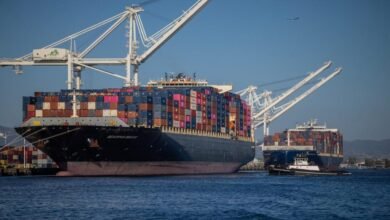
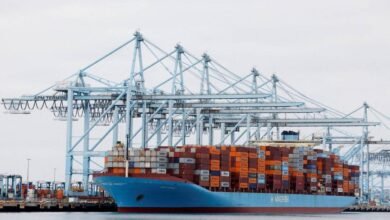
The ongoing challenge of logistics bottlenecks continues to be a primary concern for freight forwarders and cargo shipping operators worldwide. These choke points manifest in various forms, from congested ports struggling with vessel queues and inland transport delays to warehousing capacity constraints and labor shortages across critical nodes. Despite a softening in some areas, the systemic issues contributing to these bottlenecks remain deeply embedded within the global infrastructure. Port congestion, a perennial problem, often creates a domino effect, leading to schedule disruptions for maritime logistics providers and cascading delays for land-based distribution.
Furthermore, the efficient movement of goods is frequently hampered by inadequate last-mile delivery infrastructure and a scarcity of skilled labor, including truck drivers and port workers. This labor shortfall, exacerbated by demographic shifts and evolving work patterns, places immense pressure on existing operational capacities, preventing a swift normalization of shipping activities. Logistics companies are actively exploring technological solutions, such as enhanced port automation and AI-driven route optimization, to mitigate these bottlenecks and improve the fluidity of cargo movement. However, the implementation of such large-scale changes requires significant capital investment and time, reinforcing the expectation of a phased recovery in operational efficiency.
Unpacking Supply Chain Imbalances
Beyond physical bottlenecks, the global supply chain is grappling with profound imbalances that continue to challenge logistics companies. These imbalances stem from a complex interplay of fluctuating consumer demand, inventory misalignments, and the lingering effects of earlier production disruptions. While some sectors might experience oversupply, others face chronic shortages, creating an uneven landscape for maritime trade and global commerce. This seesaw effect makes it difficult for businesses to predict future needs accurately, leading to inefficient resource allocation and increased costs across the entire supply chain.
Geopolitical shifts, even those leading to potential peace, often introduce new trade patterns and regulatory complexities that can further disrupt established shipping lanes and sourcing strategies. Companies are increasingly focused on diversifying their supplier base and adjusting inventory management strategies to buffer against future shocks. The shift towards just-in-case inventory models, moving away from strict just-in-time, reflects a broader industry recognition of the need for greater resilience. However, rebalancing these vast and intricate networks requires a concerted effort across multiple stakeholders, including manufacturers, retailers, and logistics providers, signifying a prolonged period of adjustment and recalibration for global logistics.
The Phased Path to Global Logistics Recovery
The anticipation of a phased recovery is a realistic assessment by logistics companies, acknowledging that even significant geopolitical improvements do not instantly resolve deep-seated operational and structural issues. A peace deal might stabilize energy prices and trade routes, but it won’t immediately expand port capacity, alleviate labor shortages, or modernize aging infrastructure. True global logistics recovery will be characterized by incremental improvements across various segments of the supply chain. This includes a gradual easing of container shipping costs, more predictable transit times, and a reduction in warehousing bottlenecks.
Investment in infrastructure development, both digital and physical, is crucial for this long-term recovery. Governments and private entities must collaborate to upgrade ports, roads, rail networks, and digital communication systems to support higher volumes and greater efficiency. Furthermore, ongoing digitalization efforts, including the adoption of blockchain for transparency and advanced analytics for predictive insights, will play a vital role in streamlining operations. This sustained commitment to innovation and infrastructure enhancements underlines that the path to a fully optimized and resilient global supply chain is a marathon, not a sprint, demanding continuous adaptation and strategic planning from all participants in maritime logistics and freight management.
Building Resilient Supply Chains for the Future
The experiences of recent years have indelibly shifted the focus of logistics companies towards building highly resilient supply chains. This strategic imperative goes beyond merely reacting to current disruptions; it involves proactive measures to withstand future shocks, whether they are economic, political, or environmental. Diversification of sourcing and manufacturing locations is a key strategy, reducing over-reliance on single regions and mitigating geopolitical risks. Many businesses are exploring nearshoring or friendshoring options to shorten supply lines and enhance control over their freight. This means rethinking traditional globalized production models.
Technology adoption also plays a pivotal role in creating robust supply chain frameworks. Enhanced visibility platforms, real-time tracking systems, and predictive analytics empower logistics providers to anticipate issues, optimize routes, and manage inventory more effectively. Investing in smart warehousing solutions and automated handling systems further enhances operational efficiency and reduces labor dependency. The emphasis is on creating adaptive networks that can quickly reconfigure in response to changing conditions, ensuring continuity of cargo shipping and minimizing disruption to global commerce. These long-term strategic adjustments are essential for navigating an increasingly unpredictable global landscape.
Geopolitical Landscape and Trade Stability
While a possible peace deal offers a beacon of hope, logistics companies understand that the geopolitical landscape remains a complex and influential factor in trade stability. Geopolitical events can swiftly alter trade agreements, introduce new sanctions, or create security risks in vital shipping lanes, impacting everything from energy prices to the availability of certain goods. Even with a cessation of hostilities, the ripple effects on established supply chains, including shifts in manufacturing bases and consumer markets, can take years to fully materialize and stabilize. The immediate boost in confidence might not translate into instantaneous operational fluidity.
Furthermore, the broader geopolitical climate involves more than just active conflicts; it includes trade tensions, environmental policies, and evolving international relations, all of which shape the environment for global logistics. Businesses must continuously monitor these developments, adapting their strategies to maintain access to critical resources and markets. This involves a nuanced understanding of international law, trade policies, and diplomatic relations, ensuring that their supply chain operations are compliant and resilient. The slow and deliberate pace of adapting to these larger geopolitical shifts reinforces the notion that recovery in the logistics sector will be a gradual, iterative process, requiring ongoing vigilance and strategic agility from all stakeholders in maritime logistics.
In conclusion, the path forward for logistics companies, even amidst the optimism of potential peace, is paved with cautious planning and a commitment to phased recovery. The industry acknowledges that the resolution of logistics bottlenecks and supply chain imbalances will not be an immediate outcome but rather a sustained journey requiring strategic investment in infrastructure, robust technological adoption, and a relentless focus on building resilience. The lessons from recent years have fortified the resolve to create more adaptive and transparent global logistics networks, ensuring that the vital arteries of global commerce can withstand future shocks. This pragmatic approach underscores a recognition that true stability and efficiency in freight management will emerge gradually, one thoughtful step at a time.