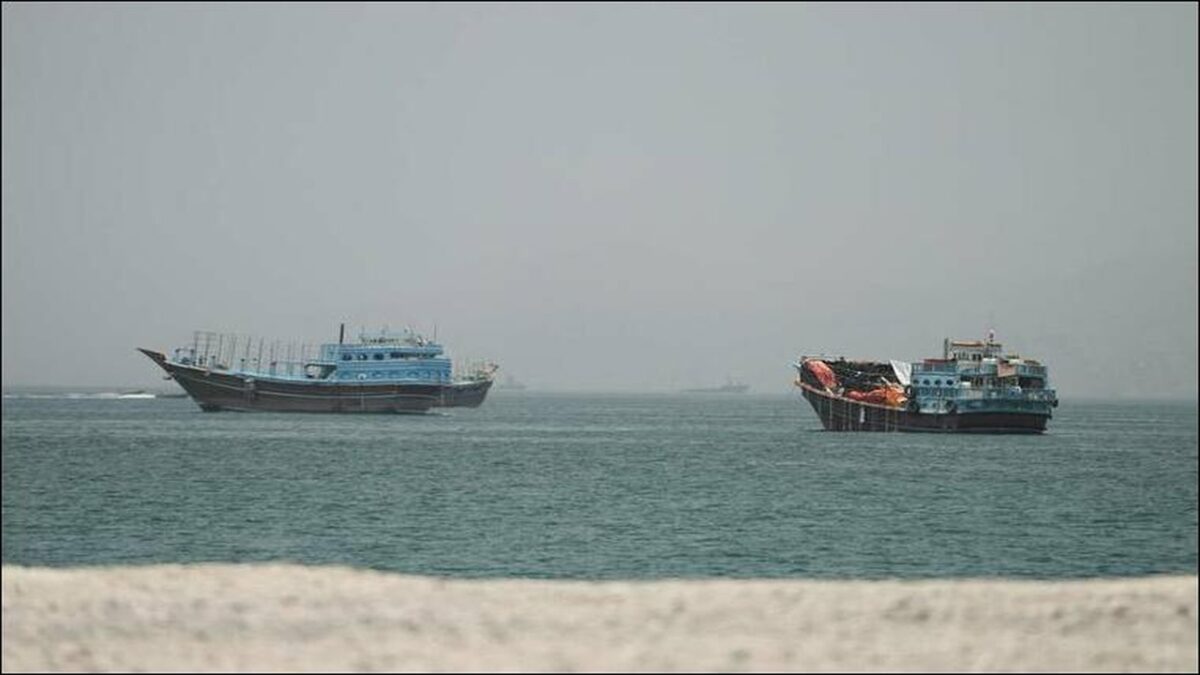
UN Halts Hormuz Ship Escorts After Attack: Maritime Security | Mariner News
The critical Strait of Hormuz has once again become the focal point of global maritime anxiety following a concerning incident that led the U.N. International Maritime Organization (IMO) to suspend its ship escort operations. This pivotal waterway, a lifeline for international trade, experienced a significant security breach when a commercial vessel reported an attack, reigniting fears about regional stability and the future of secure shipping in the Strait of Hormuz. The decision by the IMO to pause its protective convoys underscores the escalating risks faced by vessels traversing this vital choke point, prompting a reevaluation of maritime safety protocols and geopolitical strategies.
Taiwan’s Evergreen Marine confirmed on Friday that its Singapore-flagged container ship, the Ever Lovely, was struck by an “unknown object” near Oman. This incident occurred while the vessel was navigating a route previously recommended by the British navy agency UKMTO, highlighting the unpredictable nature of threats in the region. The attack has not only jeopardized the safety of seafarers and cargo but also cast a shadow over ongoing efforts to de-escalate tensions and uphold a preliminary deal aimed at fostering peace in the Iran war. The implications for global maritime security are profound, extending far beyond the immediate damage to a single vessel and impacting the stability of international commerce.
Escalating Maritime Security in the Strait of Hormuz
The Strait of Hormuz is arguably the world’s most strategically important oil transit choke point, connecting the Persian Gulf to the open ocean. Approximately one-fifth of the world’s total petroleum liquids consumption and a significant portion of global liquefied natural gas (LNG) pass through this narrow passage daily. Its significance makes it a flashpoint for geopolitical tensions, particularly concerning Iran, which borders the Strait to the north. Over the past decades, the waterway has witnessed numerous incidents, including seizures of tankers, attacks on vessels, and heightened military activity, illustrating its volatile nature.
These escalating challenges underscore the persistent need for robust shipping security measures. International naval forces, including those from the United States, United Kingdom, and various European nations, routinely operate in the area to deter aggression and ensure freedom of navigation. Organizations like the UKMTO play a crucial role in providing advisories and coordinating responses to maritime threats. However, the recent attack, occurring even on a recommended route, exposes the vulnerabilities that persist despite these efforts, demonstrating the complex and ever-evolving landscape of maritime risks in the Middle East. The delicate balance of power and regional rivalries continue to pose significant threats to the uninterrupted flow of global trade.
The Evergreen Marine Incident and Its Immediate Fallout
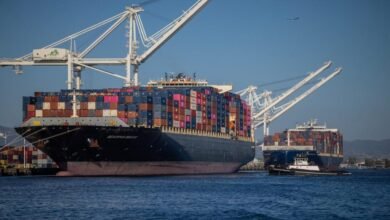
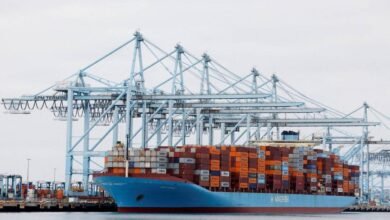
The attack on the Ever Lovely has sent ripples throughout the global container shipping industry. Evergreen Marine reported that the vessel sustained damage to its bridge windows, though initial assessments indicated the crew, vessel, and cargo remained safe. This specific incident, however, carries a heavy weight due to conflicting narratives and its timing. Hours before the attack was confirmed, Tehran had issued a stern warning against vessels using routes it had not approved, adding a layer of complexity to the investigation. Two U.S. officials subsequently informed Reuters that Iran was responsible for firing on the ship, a claim that Iran’s Persian Gulf Strait Authority did not directly address but rather emphasized its position.
According to the Iranian authority, vessels that choose to travel outside the routes it has designated will not be guaranteed safe passage. The statement explicitly warned: “Consequences arising from passage through unauthorized routes shall be the responsibility of the owner, operator, and vessel commander.” This declaration raises serious questions about sovereignty, international maritime law, and the safety of vessels seeking to navigate the Strait of Hormuz. For shipping companies, this creates an unenviable dilemma: adhere to internationally recognized safe corridors or risk potential confrontation by traversing routes preferred by a regional power. The immediate fallout includes increased caution from shipping lines, potential rerouting considerations, and a palpable sense of unease among seafarers and operators alike, who are tasked with ensuring the integrity of global supply chains under increasingly perilous conditions.
Global Trade Implications and Supply Chain Vulnerabilities
The immediate consequence of heightened maritime insecurity in the Strait of Hormuz is a chilling effect on global trade. This waterway is not just vital for oil and gas; it’s also a significant conduit for general cargo, including container traffic. Disruptions here can lead to widespread logistical challenges, impacting everything from manufacturing supply chains to consumer goods prices. Shipping companies, already grappling with fluctuating freight rates and operational costs, will likely face soaring insurance premiums, reflecting the increased risk of transit through the region. This added financial burden can translate into higher shipping costs, which are ultimately passed on to consumers, contributing to inflationary pressures worldwide.
Furthermore, the specter of attacks and the uncertainty surrounding safe passage could force some shipping lines to consider lengthier, more expensive alternative routes, such as circumnavigating Africa via the Cape of Good Hope. While this avoids the dangers of the Middle East, it significantly extends transit times, burns more fuel, and increases operational expenditures, thereby reducing efficiency and reliability within global supply chains. The incident involving the Ever Lovely, a container shipping vessel, underscores that no type of maritime traffic is immune to these threats, making the call for a stable and predictable shipping environment more urgent than ever. The interconnectedness of global commerce means that instability in one critical region can have cascading effects across continents, highlighting the fragility of modern logistics networks.
Geopolitical Ramifications and Future Outlook for Regional Stability
The latest incident in the Strait of Hormuz carries significant geopolitical weight, potentially undermining fragile diplomatic efforts to restore stability in the region and salvage the Iran nuclear deal. An attack attributed to Iran, whether directly or indirectly through proxies, would complicate international relations and likely prompt strong condemnations from global powers. The United States, a key naval presence in the region, along with European allies, faces the challenge of responding decisively without further escalating tensions. The intricate web of alliances and rivalries in the Middle East means that any misstep could have far-reaching consequences, potentially igniting a broader regional conflict.
For the long term, the outlook for shipping security in the Middle East remains precarious. Sustained threats to maritime traffic could lead to increased military deployments, stricter security protocols, and potentially, a more fragmented approach to international navigation where different powers assert control over their perceived maritime zones. This scenario would severely impede the principles of freedom of navigation and open seas, which are fundamental to global trade. International cooperation, dialogue, and clear communication channels are paramount to de-escalating the current situation and establishing a framework for safe and secure passage through this indispensable waterway. The international community must remain vigilant and united in addressing these challenges to safeguard global commerce and prevent further regional destabilization.
The recent halting of UN escort operations in the Strait of Hormuz following the attack on the Ever Lovely serves as a stark reminder of the persistent and evolving threats to global maritime security. This critical incident not only impacts the safety of seafarers and the integrity of cargo but also sends alarming signals through international energy markets and complex supply chains. The strategic importance of the Strait of Hormuz dictates that any disruption here reverberates across the global economy. As diplomatic efforts contend with escalating regional tensions, the need for robust maritime protection and coordinated international responses becomes increasingly vital. Ensuring secure passage through this indispensable waterway is paramount not just for trade, but for broader geopolitical stability. The world watches closely as stakeholders navigate these turbulent waters, hoping for a return to predictability and unwavering safety on these crucial global trade routes.