Maersk Rotterdam Disruptions: Heat Wave Impacts Shipping | Mariner News
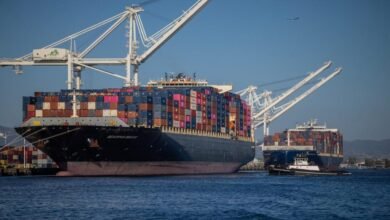
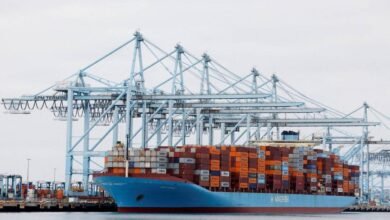
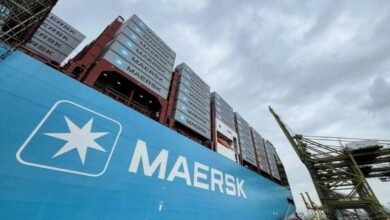
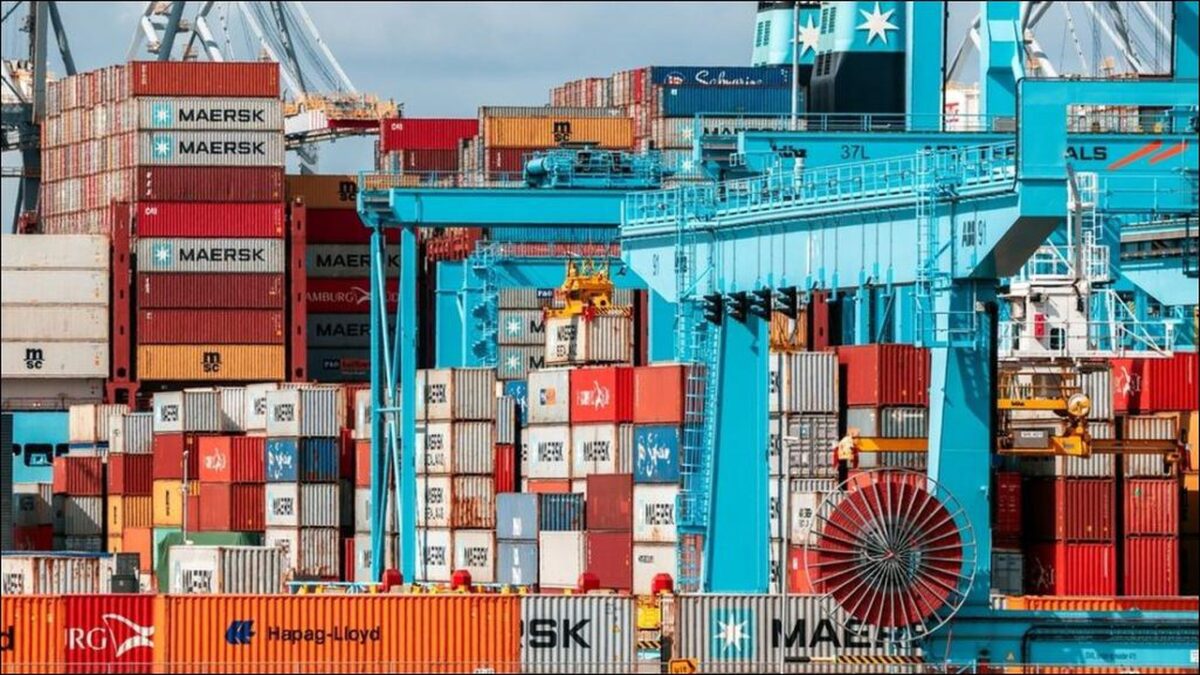
Maersk, a towering figure in global container shipping, has recently confirmed significant operational disruptions in Rotterdam following an intense and prolonged heat wave. This unprecedented challenge at Europe’s largest and most vital port underscores a growing vulnerability within global supply chains to extreme weather events. The Port of Rotterdam, acting as a crucial gateway for vast volumes of international trade and cargo, is currently experiencing notable delays and a reduction in operational efficiency, raising considerable concerns throughout the broader maritime industry. These disruptions, directly impacting Maersk’s extensive logistics network, vividly illustrate how even the most robust and technologically advanced shipping and logistics infrastructures can be severely strained by adverse environmental factors, thereby emphasizing an urgent, industry-wide need for enhanced climate resilience strategies.
The recent record-breaking temperatures have presented a complex array of challenges for terminal operators, cargo handling procedures, and the critical inland transport links that support the port. Consequently, the smooth movement of container cargo is significantly affected, generating ripple effects that extend far beyond the immediate geographical confines of the Netherlands. Stakeholders across diverse sectors, from manufacturing to retail, are closely monitoring the evolving situation, recognizing that delays in a hub as significant as Rotterdam can rapidly escalate into broader logistical bottlenecks, ultimately impacting manufacturing schedules, inventory management, and the timely availability of consumer goods across continents. This unfolding event serves as a potent and timely reminder of the intricate balance and precision required to maintain fluid and efficient global trade flows in an era of unpredictable climate change.
The Impact of Extreme Heat on Port Operations
Extreme heat waves like the one experienced in Rotterdam inflict a multitude of complex challenges on essential port operations, particularly within a high-volume, continuously active hub such as Europe’s busiest port. The most immediate and noticeable impact is often observed on the physical infrastructure and the specialized equipment vital for cargo handling. High ambient temperatures can cause asphalt and concrete surfaces to soften and expand, potentially leading to damage for heavy-duty vehicles and highly specialized container handling equipment like colossal gantry cranes, straddle carriers, and reach stackers. Furthermore, sophisticated machinery is prone to overheating, which triggers system shutdowns, increased maintenance requirements, and ultimately, breakdowns, all of which directly diminish terminal efficiency and drastically slow down the movement of goods, leading to increased cargo delays.
Beyond infrastructure, the safety, health, and overall productivity of the skilled port workers are significantly compromised under scorching conditions. Labor-intensive tasks, essential for stevedoring and logistics, become considerably more arduous and pose greater health risks due to heat stress. This necessitates the implementation of increased mandatory breaks, reduced working hours, and stricter occupational safety protocols, which directly translates to prolonged cargo processing times and increased vessel dwell times at berth. The intense heat also poses a significant threat to sensitive cargo, such as perishable goods or specific chemical products, necessitating specialized handling procedures and often requiring additional temperature-controlled storage solutions, adding another critical layer of complexity and potential delay to the entire logistics chain.
Furthermore, environmental conditions brought by extreme heat can lead to critical navigational challenges. High temperatures often contribute to significantly lower water levels in the vital rivers and canals connected to the port due to accelerated evaporation. This reduction in navigable draft can severely impact barge traffic—a profoundly vital component of Rotterdam’s efficient intermodal transport network—forcing vessels to carry lighter loads or endure longer transit times, further exacerbating the widespread operational disruptions at the port and through the surrounding supply chain.
Maersk’s Response and Mitigation Strategies
In direct response to the severe heat wave gripping Rotterdam and the resulting operational disruptions, Maersk has swiftly implemented a comprehensive set of measures designed to mitigate the immediate impact and safeguard its robust container shipping operations. The prominent shipping line is engaged in close collaboration with terminal operators and local port authorities to meticulously manage the intricate flow of cargo and minimize potential delays for its extensive fleet of container ships. This proactive approach includes dynamically adjusting berthing schedules, strategically optimizing yard operations for maximum throughput under challenging conditions, and significantly enhancing real-time coordination with various inland transport providers to ensure the smoothest possible transit for valuable goods.
A cornerstone of Maersk’s strategy during this challenging period is transparent and timely communication. The company is committed to providing regular, detailed updates to its vast client base regarding potential delays, revised estimated times of arrival (ETAs), and estimated times of departure (ETDs). Such transparency is absolutely crucial in effectively managing customer expectations and enabling businesses to make informed, agile decisions regarding their critical supply chain management. Furthermore, the shipping giant is deploying additional operational resources wherever feasible and actively exploring alternative routing options, although the sheer volume of global trade traffic flowing through Rotterdam makes comprehensive rerouting a complex and highly challenging logistical undertaking for global shipping.
Looking beyond the immediate crisis, Maersk is undeniably poised to incorporate invaluable lessons learned from this significant incident into its overarching long-term operational planning and strategic investments. This forward-thinking approach could encompass substantial investments in climate-resilient infrastructure at strategically vital ports, the development and deployment of enhanced predictive analytics for extreme weather events, and the formulation of more flexible and robust contingency plans for its vast global shipping network. Such proactive and adaptive strategies are absolutely vital for safeguarding against future climate-related challenges and ensuring the unwavering continuity and reliability of essential logistics services across the world.
Broader Implications for Global Shipping and Supply Chains
The Maersk operational disruptions in Rotterdam represent more than localized port issues; they send profound ripple effects across the entire intricate tapestry of global shipping and interconnected supply chains. As a preeminent European gateway, any significant delay in Rotterdam means that vast quantities of cargo destined for diverse European markets, ranging from crucial industrial components to everyday consumer goods, will inevitably experience extended transit times. This directly translates into potential stock shortages for retailers, disruptive production line interruptions for manufacturers, and ultimately, increased operational costs for businesses worldwide due to factors such as demurrage charges, expedited shipping fees, and potential loss of sales.
This incident vividly underscores the inherent fragility and lack of redundancy within many ‘just-in-time’ inventory models, particularly when confronted with increasingly unpredictable and severe environmental factors. Businesses that rely heavily on the streamlined, efficient flow of goods through major maritime hubs are now compelled to critically re-evaluate their existing risk management strategies. This may involve exploring diversification of their port entry points, strategically increasing buffer stocks to absorb shocks, or implementing more agile inventory systems. The cumulative effect of these localized disruptions can rapidly create substantial cargo backlogs, putting immense strain on capacity at alternative ports as vessels are diverted, thereby generating a cascading domino effect throughout the entire maritime industry.
Moreover, such climate-induced events unequivocally highlight the deep interconnectedness of the global economy. A severe heat wave impacting port operations in one specific region can have far-reaching consequences, potentially disrupting manufacturing processes in distant countries, thereby demonstrating how climate change is rapidly transforming into a direct, measurable business risk. Companies, therefore, must adapt their strategic frameworks not merely for addressing current challenges but for proactively preparing for a future where extreme weather events are projected to become more frequent, more intense, and thus, more disruptive, placing continuous and escalating pressure on container shipping and global trade networks.
Adapting to a Changing Climate: Future Outlook for Maritime Logistics
The significant incident involving Maersk’s operational disruptions in the bustling port of Rotterdam serves as an unequivocal wake-up call for the entire maritime industry, emphasizing the urgent and critical necessity for comprehensive climate adaptation strategies. Ports, global shipping lines, and sophisticated logistics providers must collectively and proactively invest in resilient infrastructure and pioneering innovative technologies to effectively withstand and mitigate the increasingly severe impacts of future extreme weather events, including more frequent and intense heat waves. This essential strategic investment encompasses developing advanced heat-resistant materials for vital port surfaces, upgrading and reinforcing cooling systems for critical port machinery, and implementing cutting-edge weather monitoring and precision forecasting capabilities to anticipate and prepare for adverse conditions.
Furthermore, fostering a culture of greater collaboration and information sharing across the entire extended supply chain is absolutely paramount. Openly sharing best practices, collaboratively coordinating robust contingency plans, and making strategic investments in digital solutions that offer real-time visibility and operational flexibility can profoundly enhance the industry’s collective ability to swiftly respond to and effectively recover from significant disruptions. The strategic focus must fundamentally shift from merely reacting to unfolding events to proactively building inherent, systemic resilience directly into the core of the global logistics system, thereby ensuring that vital global trade can continue to flow efficiently and reliably even under the most challenging and unpredictable environmental conditions.
The future landscape of mariner logistics will undoubtedly be profoundly shaped by the accelerating realities of climate change. This necessitates a fundamental strategic shift towards more sustainable, environmentally conscious, and inherently adaptable operations. Investing significantly in green technologies, dynamically optimizing vessel routing to deliberately avoid adverse weather patterns, and developing diversified intermodal transport options are all critical, indispensable steps. By prioritizing both resilience and comprehensive sustainability, the maritime industry can effectively safeguard itself against future climate shocks and continue to play its indispensable role in supporting and driving the global economy, even as global climate patterns continue to evolve and present new complexities.
Conclusion
In conclusion, the widespread operational disruptions explicitly reported by Maersk in Rotterdam, directly attributed to the recent, intense heat wave, stand as a compelling and undeniable reminder of climate change’s direct, tangible, and far-reaching impacts on both global shipping and the intricate fabric of supply chains. This significant event vividly underscores the inherent fragility of highly complex logistics networks when they are confronted with extreme and unpredictable environmental conditions, thus necessitating a comprehensive and urgent re-evaluation of current operational paradigms within the entire maritime industry. The array of challenges faced by a giant like Maersk at Europe’s busiest port profoundly highlights the critical need for robust contingency planning, strategic infrastructure upgrades, and enhanced collaborative efforts among all involved stakeholders to ensure future stability.
The incident in Rotterdam serves as a clear and unequivocal indicator that climate resilience is no longer a peripheral concern or an optional extra but has firmly become a core strategic imperative for all entities engaged in global trade and logistics. Moving forward, sustained investment in adaptive technologies, proactive and sophisticated risk management frameworks, and deeply integrated climate action will be absolutely crucial for maintaining efficient, reliable, and sustainable container shipping services worldwide. As the global community grapples with escalating climate impacts, the collective ability of leading companies like Maersk and critical global ports such as Rotterdam to adapt, innovate, and collaborate seamlessly will unequivocally define the future stability, resilience, and long-term sustainability of global commerce. Understanding these challenges comprehensively is the fundamental key to building a far more resilient and future-proof supply chain for tomorrow’s evolving world.