Wallenius Wilhelmsen Pioneers Oceanbird Wind Sail on Car Carrier | Mariner News
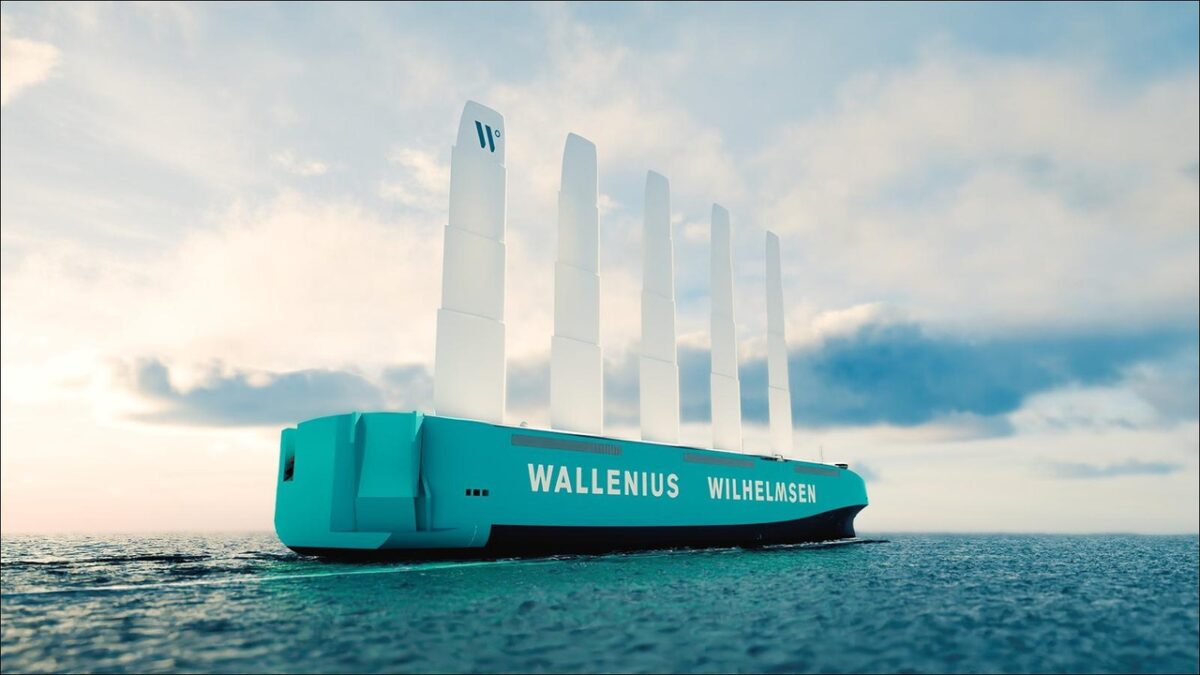
In a significant leap towards decarbonizing the global maritime industry, Wallenius Wilhelmsen, a leading provider of RoRo shipping and vehicle logistics, has embarked on a pioneering project. The company has equipped its 230-meter car carrier, Tirranna, with a prototype Oceanbird wind sail system, signaling a strong commitment to sustainable shipping practices. This innovative step is set to revolutionize how car vessels operate, offering a tangible pathway to drastically reduce fuel consumption and greenhouse gas emissions. The integration of this cutting-edge wind propulsion technology positions Wallenius Wilhelmsen at the forefront of maritime environmental stewardship, setting a new benchmark for eco-friendly transport solutions in the highly competitive shipping sector. This trial is more than just an experiment; it’s a strategic investment in a greener future for global logistics and a testament to the power of maritime innovation.
Pioneering Wind Propulsion for Sustainable Shipping
The shipping industry faces immense pressure to reduce its environmental footprint. With ambitious targets set by the International Maritime Organization (IMO) for emissions reduction, companies are actively exploring innovative solutions to achieve decarbonization. Wind propulsion, a method as old as seafaring itself, is experiencing a modern renaissance, reimagined with advanced aerodynamics and materials. The Oceanbird project, a collaborative effort involving Wallenius Wilhelmsen, Alfa Laval, and KTH Royal Institute of Technology, represents a significant stride in this direction. It leverages state-of-the-art engineering to harness the power of wind, offering a viable and sustainable alternative to traditional fossil fuels for substantial parts of a vessel’s journey.
This renewed focus on wind power isn’t merely nostalgic; it’s a pragmatic response to both environmental imperatives and economic pressures. Fuel costs represent a substantial portion of a shipping company’s operational expenses, and any technology that can reduce consumption provides a dual benefit. Wind-assisted propulsion systems like Oceanbird’s are designed to complement existing engine power, rather than fully replace it, providing significant auxiliary thrust that translates directly into fuel savings and lower emissions. This pragmatic approach ensures reliability and operational flexibility while pushing the boundaries of eco-friendly shipping.
The development of the Oceanbird system has been a meticulous process, involving extensive research, modeling, and testing. The goal was to create a robust, efficient, and deployable solution for large cargo vessels. The modular nature of the wing sails, their ability to be lowered and raised, and their advanced aerodynamic design make them suitable for diverse operational conditions and routes. This project underscores the industry’s collective drive towards a future where environmental responsibility and operational efficiency go hand in hand, solidifying the path for a new era of green logistics.
The Tirranna Trial: Assessing Real-World Gains
The installation of the prototype wind sail on the car vessel Tirranna marks a critical phase in the Oceanbird project. This real-world deployment on a live operational ship is crucial for gathering empirical data and validating the theoretical models. The Tirranna, a significant asset in Wallenius Wilhelmsen’s fleet, will now serve as a living laboratory, demonstrating the practical application and benefits of this groundbreaking renewable energy technology. Engineers and maritime experts will closely monitor the sail’s performance across various weather conditions and voyage patterns.
Wallenius Wilhelmsen’s primary objective for this trial is to meticulously assess and evaluate the actual gains in terms of reduced emissions and fuel consumption. This includes measuring the precise impact of the sails on the vessel’s speed, stability, and overall fuel efficiency. The data collected from the Tirranna will provide invaluable insights into the operational challenges and opportunities associated with integrating such advanced wind propulsion systems into existing fleets. It’s an investment in understanding the true potential of maritime sustainability beyond theoretical projections.
This collaborative endeavor is a testament to the forward-thinking vision of both Wallenius Wilhelmsen and Oceanbird. By taking the bold step of equipping a commercial vessel with a large-scale prototype, they are not only accelerating the development of clean shipping technology but also inspiring broader industry adoption. The success of the Tirranna trial will be a beacon for other shipping companies looking to reduce their carbon footprint and embrace more sustainable operational models, demonstrating that sustainable transport is not just an aspiration but an achievable reality.
How Oceanbird’s Wing Sails Revolutionize Maritime Transport
The Oceanbird system employs rigid wing sails that are significantly different from traditional canvas sails. These are towering, dynamic structures designed for maximum aerodynamic efficiency, resembling aircraft wings rather than conventional fabric sails. The sails are telescopic, allowing them to be retracted to reduce air draft, which is essential for navigating under bridges or during port calls. This innovative design ensures operational flexibility without compromising the vessel’s primary function as a car carrier.
The advanced control systems of the Oceanbird sails continuously optimize their position and angle relative to the wind, ensuring the greatest possible thrust. This intelligent automation minimizes the need for manual intervention and maximizes the fuel efficiency benefits. Made from robust, lightweight materials, these wing sails are built to withstand the harsh marine environment, offering durability and longevity. Their design also minimizes drag when not in use, further contributing to overall vessel efficiency.
By augmenting the vessel’s propulsion with wind power, the Oceanbird system significantly reduces the load on the main engines. This not only cuts down on fossil fuel consumption and associated emissions but also potentially extends the lifespan of the engines and reduces maintenance costs. It represents a paradigm shift in thinking about maritime decarbonization, moving beyond incremental improvements to conventional engines and embracing truly transformative green shipping solutions. The technology is designed to be scalable, offering potential applications across various vessel types within the global fleet.
The Broader Impact: Decarbonizing Global Supply Chains
The successful deployment and validation of the Oceanbird wind sail on the Tirranna could have profound implications for the entire global supply chain. The shipping industry is a critical enabler of international trade, and its decarbonization is essential for achieving broader global climate goals. Widespread adoption of such wind propulsion technology could lead to a significant reduction in shipping’s overall carbon emissions, contributing directly to the IMO’s ambitious targets for 2030 and 2050. This innovation is a powerful step toward a truly sustainable global trade network.
Beyond environmental benefits, there are compelling economic advantages. As carbon pricing mechanisms and stricter environmental regulations become more prevalent, companies that adopt eco-friendly transport solutions stand to gain a competitive edge. Reduced fuel consumption translates directly into lower operational costs, providing a tangible return on investment. Furthermore, environmentally conscious consumers and businesses increasingly prefer partners who demonstrate a genuine commitment to sustainability, making green initiatives a strong brand differentiator.
This project also stimulates innovation across the maritime ecosystem. It encourages further research and development in areas such as advanced materials, energy management systems, and smart navigation, fostering an environment of continuous improvement for maritime sustainability. The ripple effect of such pioneering initiatives can accelerate the transition to cleaner fuels and propulsion systems, ultimately shaping a future where commercial shipping is both economically viable and environmentally responsible. It is a catalyst for creating genuinely green shipping corridors and practices worldwide.
Overcoming Challenges and Looking Ahead
Integrating novel technologies like the Oceanbird wind sail into existing maritime operations comes with its unique set of challenges. These include adapting port infrastructure to accommodate vessels with taller air drafts, developing new operational protocols for crew training in wind-assisted navigation, and ensuring seamless integration with established logistics schedules. Wallenius Wilhelmsen’s trial on the Tirranna will provide crucial insights into these practicalities, allowing for the refinement of solutions before broader implementation. Addressing these challenges proactively is key to unlocking the full potential of sustainable transport technology.
Looking ahead, the Oceanbird project is not just about a single prototype but about developing a scalable and marketable solution. The developers envision a future where numerous cargo vessels, including future generations of car vessels, are equipped with these advanced wing sails. Continuous innovation in materials science, automation, and predictive analytics will further enhance the efficiency and reliability of these systems. The long-term vision includes optimizing sail designs for different vessel types and trade routes, maximizing their contribution to decarbonization efforts across the global fleet.
The insights gained from the Tirranna trial will be instrumental in the next phases of development, leading to commercially ready versions of the Oceanbird system. This iterative process of testing, learning, and refining is vital for any truly transformative technology. Wallenius Wilhelmsen’s dedication to this path underscores a commitment to not only meeting regulatory requirements but also proactively shaping a more environmentally responsible future for the entire maritime sector, driving the adoption of clean technology in an impactful way.
Wallenius Wilhelmsen’s Commitment to Green Logistics
Wallenius Wilhelmsen’s engagement with the Oceanbird project is part of a broader, deeply embedded strategy for green logistics and sustainability. The company has long been an advocate for reducing its environmental impact across all aspects of its operations, from optimized vessel routes to shoreside logistics and supply chain management. This long-term commitment goes beyond mere compliance, aiming to be a leader in promoting maritime sustainability and setting higher industry standards.
Their comprehensive sustainability agenda encompasses various initiatives, including investments in alternative fuels, improving engine efficiency, waste reduction programs, and exploring digital solutions to optimize operations. The adoption of the Oceanbird wind sail technology is a significant pillar in this multi-faceted approach, demonstrating a willingness to invest in groundbreaking, potentially disruptive technologies that promise substantial environmental benefits. It’s an embodiment of their philosophy to drive positive change within the industry.
By championing projects like Oceanbird, Wallenius Wilhelmsen reinforces its position as an industry leader dedicated to a cleaner, more efficient future for global shipping. Their efforts inspire other shipping companies to explore and adopt similar eco-friendly solutions, fostering a collective movement towards a greener maritime sector. This proactive stance on decarbonization not only safeguards the environment but also future-proofs their business in an increasingly carbon-conscious world, solidifying their legacy as pioneers in sustainable transport.
The deployment of the prototype Oceanbird wind sail on Wallenius Wilhelmsen’s car vessel Tirranna is a monumental step forward for sustainable shipping. This bold initiative highlights the industry’s increasing focus on decarbonization through innovative wind propulsion technology. As the trial progresses, the valuable data collected will pave the way for wider adoption of renewable energy solutions in maritime transport, significantly reducing carbon emissions and fostering a greener future for global logistics. Wallenius Wilhelmsen, in collaboration with Oceanbird, is not just experimenting with technology; they are actively charting a course towards a more environmentally responsible and economically viable era of maritime innovation.