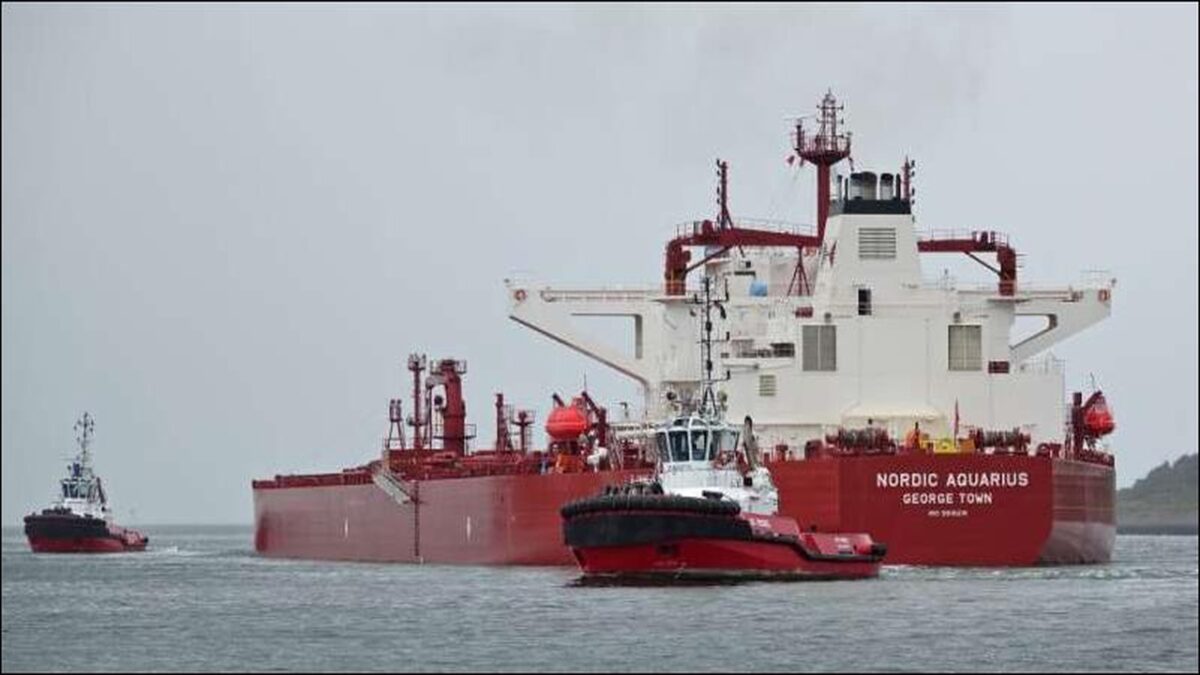
Nordic American Tankers Safely Exits Persian Gulf | Mariner News
Nordic American Tankers (NAT), a leading global shipping player, has successfully navigated all its vessels out of the volatile Persian Gulf. This operational success concludes a significant four-month period where three Bermuda-based tanker ships were effectively stranded since late February. Their safe passage through the strategic Strait of Hormuz offers substantial relief to the company and the broader maritime community. It underscores the ongoing challenges in global shipping amidst evolving geopolitical landscapes, emphasizing the critical need for robust maritime security for crude oil transportation.
Geopolitical Tensions and NAT’s Strategic Patience
Nordic American Tankers’ decision to keep three vessels within the Persian Gulf for an extended period stemmed directly from heightened geopolitical tensions. This region became a critical focal point, prompting many shipping companies to re-evaluate operational strategies. For NAT, safeguarding its crew and valuable tanker ships was paramount, dictating a cautious approach despite commercial pressures. This prolonged stay highlighted widespread industry concerns regarding escalating risks for maritime operations in the Middle East.
These critical NAT vessels, vital to global energy supply chains, diligently awaited a safer transit window. The Strait of Hormuz, the sole sea passage from the Persian Gulf to the open ocean, is a crucial chokepoint for a substantial portion of the world’s crude oil supply. Its strategic importance makes it a frequent flashpoint, urging tanker operators to exercise extreme caution. NAT’s extended presence reflected perceived threats and the industry’s commitment to asset and crew protection in this volatile area.
Other shipping companies faced similar dilemmas, reporting significant difficulties and delays in regional transit. The successful extraction of NAT’s vessels alleviates immediate concerns, but such episodes underscore the need for enhanced security measures and robust contingency planning for all global shipping companies. Retrieving these assets was a top priority for Nordic American Tankers, reassuring stakeholders about the company’s capability to manage complex maritime security challenges and protect its valuable oil tankers.
The Strait of Hormuz: A Lifeline for Global Crude Oil
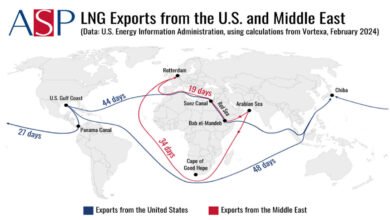
The Strait of Hormuz stands as one of the globe’s most vital maritime chokepoints, a narrow waterway connecting the Persian Gulf to the Arabian Sea. Its strategic significance is undeniable for the global energy market. An estimated one-fifth of the world’s total oil consumption, alongside substantial volumes of liquefied natural gas, transits this strait daily, making it indispensable for crude oil supply worldwide. Any disruption here inevitably sends ripples throughout the global economy, directly impacting oil prices and international trade stability.
The Strait’s intricate geography presents unique challenges for shipping companies such as Nordic American Tankers. At its narrowest point, it is about 21 nautical miles wide, with designated shipping lanes just two miles in either direction. This constrained environment, combined with high traffic volumes, necessitates meticulous navigation and constant vigilance from crews. When coupled with underlying geopolitical tensions, transit becomes an intricate balance of commercial necessity and paramount safety considerations for all tanker ships.
For large oil tankers, which typically possess limited maneuverability, traversing such a busy and sensitive waterway requires extraordinary planning and precise execution. The inherent risk of collision, piracy, or targeted attacks remains a constant concern. NAT’s ability to guide its ships through this chokepoint after months demonstrates sophisticated operational planning, reinforcing that while risky, transit is manageable with appropriate security measures for global supply chains.
NAT’s Operational Excellence in Challenging Waters
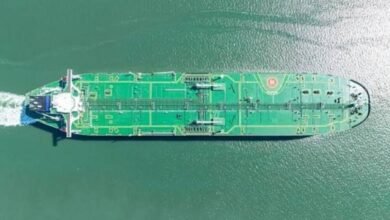
The safe departure of Nordic American Tankers’ three crude oil tankers from the Persian Gulf and their successful transit through the Strait of Hormuz powerfully exemplifies meticulous planning and exceptional operational expertise. Guiding large Suezmax tankers through such a sensitive chokepoint after extended idleness in a high-risk zone demands exceptional navigational skill and strategic coordination. NAT undoubtedly engaged in extensive risk assessment, comprehensive intelligence gathering, and continuous communication with relevant authorities to secure a safe transit window.
Ensuring the well-being of the crew and the absolute integrity of the valuable cargo—crude oil—was the utmost priority throughout this complex operation. This involved rigorous safety checks, updating advanced navigation systems, and strict adherence to the highest international maritime safety standards. For Nordic American Tankers, a company consistently known for its operational excellence, this successful execution further reinforces its robust reputation for reliability and its unwavering commitment to safeguarding assets and personnel.
The logistics were truly considerable. Beyond direct vessel navigation, essential coordination with port authorities, arrangements for potential military escorts, and real-time intelligence monitoring for regional security threats was paramount. This achievement follows similar successes reported by other prominent carriers, suggesting an encouraging industry-wide adaptation to the evolving security landscape. NAT’s success stands as a strong positive indicator for the broader tanker industry.
Market Repercussions and Industry Resilience
The safe exit of Nordic American Tankers’ ships from the Persian Gulf carries significant and far-reaching implications for the global tanker market and the wider shipping industry. Firstly, it signals a gradual return to a more manageable risk level for vessels operating in the Middle East. Prolonged delays and heightened risks often lead to increased insurance premiums, elevated operating costs, and widespread disruptions to global supply chains, particularly for crucial crude oil transportation. The successful transit therefore suggests a potential easing of these pressures, potentially stabilizing freight rates and improving predictability for oil traders worldwide.
This entire incident highlights the inherent fragility of global energy logistics when directly confronted by acute geopolitical instability. While the immediate crisis for Nordic American Tankers is now resolved, underlying tensions in the Persian Gulf continue to remain a significant factor for future operational planning across the industry. Shipping companies will undoubtedly continue factoring these complex risks into their strategies, possibly leading to longer voyage times or increased costs from necessary enhanced security measures. This directly impacts the efficiency of the global crude oil supply chain.
Furthermore, the episode serves as a powerful and timely reminder for the international shipping industry about the paramount importance of flexibility and robust contingency planning. Companies that can adapt quickly and effectively to changing security environments, leveraging real-time intelligence and superior operational expertise, will be much better positioned to maintain their service levels and minimize costly disruptions. Nordic American Tankers’ demonstrable ability to successfully navigate this challenge strongly reinforces its standing as a resilient and highly capable shipping company in a volatile market.
Nordic American Tankers’ Strategic Path Forward
With its fleet now safely out of the Persian Gulf, Nordic American Tankers is robustly well-positioned to focus squarely on its core business operations without the immediate overhang of stranded assets. This successful resolution decisively means that the three Suezmax tankers can promptly re-enter active service, significantly contributing to the company’s revenue streams and optimizing overall fleet utilization. For a New York-listed company like NAT, efficient fleet management is absolutely paramount for maintaining investor confidence and achieving sustained profitability in the highly competitive tanker market. The release of these valuable vessels significantly boosts their operational capacity for crucial crude oil transportation.
Looking forward, Nordic American Tankers will undoubtedly integrate the profound lessons learned from this challenging period into its future operational strategies. This could involve further enhancing their already robust risk assessment frameworks, refining emergency response protocols, and investing in advanced intelligence gathering capabilities to proactively anticipate and mitigate future threats in high-risk maritime zones. The entire experience powerfully reinforces the intrinsic value of strong relationships with international maritime security organizations and naval forces for ensuring the safety of global shipping routes.
As global energy demand continues to dynamically evolve, and geopolitical dynamics shift, the pivotal role of reliable tanker operators like Nordic American Tankers will remain absolutely critical. The successful navigation of the Persian Gulf challenge positions NAT as a resilient and highly adaptive player, demonstrably capable of sustaining operations through periods of uncertainty. The company’s strategic focus on the versatile Suezmax segment further ensures its continued relevance in the global energy supply chain. This strategic achievement sets a positive tone for Nordic American Tankers’ operational and financial performance in the coming quarters.