Petrobras Invests in Four New Tankers for Fleet Expansion | Mariner News
Petrobras, Brazil’s state-controlled oil giant, has made a significant strategic move, placing a substantial order for four new tankers. This multi-million dollar investment underscores the company’s commitment to bolstering its maritime logistics capabilities and modernizing its fleet. The deal, valued at an impressive $427 million, was awarded to the Estaleiro Rio Grande shipyard, a key player in Brazil’s shipbuilding industry. This development marks a pivotal moment for both Petrobras and the national maritime sector, signaling renewed activity in domestic vessel construction and a clear focus on enhancing operational efficiency and environmental performance within the company’s vast supply chain.
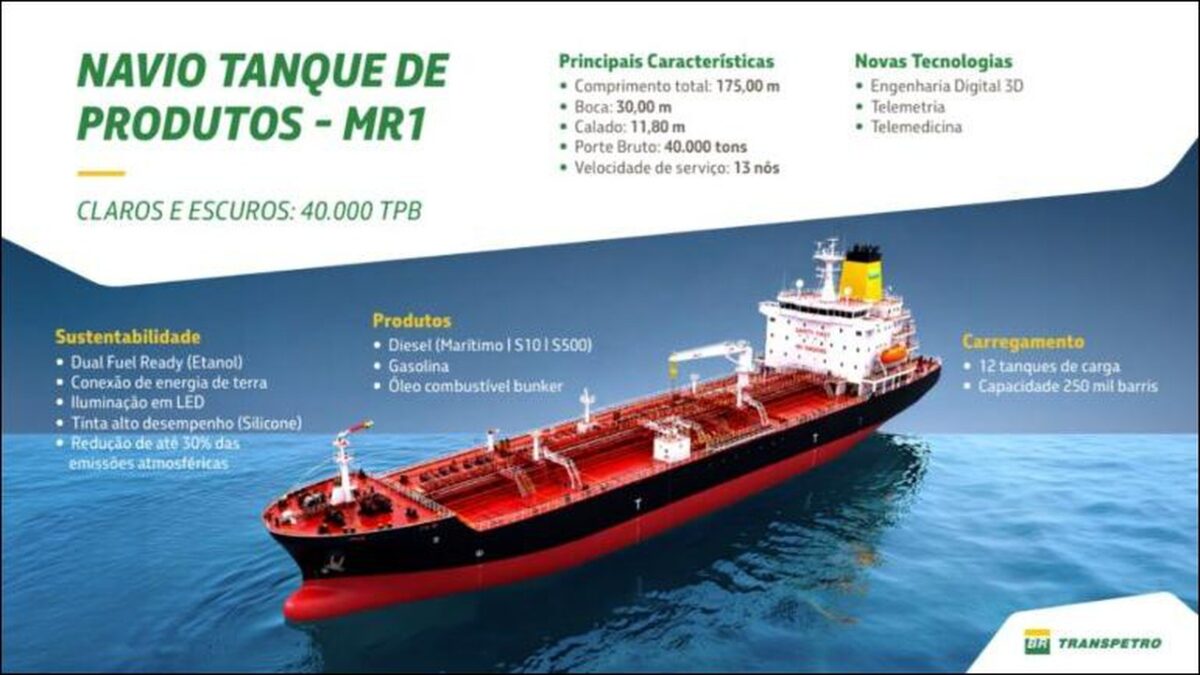
These new vessels, specifically designed as medium-range (MR1-class) oil tankers, are earmarked for Petrobras Transporte (Transpetro), the company’s logistics subsidiary, tasked with ensuring the safe and efficient transportation of crude oil and refined petroleum products across Brazil and beyond. The strategic acquisition of these advanced new oil tankers is set to significantly strengthen Transpetro’s ability to meet growing domestic and international demand, while also incorporating cutting-edge sustainable technologies into its operations. The first vessel is anticipated to be delivered within 33 months, setting a tangible timeline for this ambitious fleet expansion project.
Strategic Imperative: Modernizing the Petrobras Fleet
Transpetro, as the backbone of Petrobras’s logistics operations, plays a critical role in Brazil’s energy security and distribution network. The current fleet, while robust, faces the natural challenge of aging vessels, necessitating a continuous program of renewal and modernization. This substantial tanker order is a direct response to that need, ensuring that Petrobras maintains a state-of-the-art fleet capable of handling the nation’s energy demands efficiently and safely. The investment reflects a forward-thinking approach, preparing the company for future market shifts and regulatory requirements in the global shipping industry.
Replacing older tonnage with modern, more efficient vessels reduces operational costs, enhances safety standards, and significantly lowers the environmental footprint. These new MR1-class tankers are not merely replacements; they represent an upgrade, bringing advanced technology and improved capabilities to Transpetro’s operations. Such strategic investments are crucial for a company like Petrobras, which operates on a global scale and requires a dependable, cutting-edge logistics infrastructure to remain competitive and meet its vast operational objectives. The focus on medium-range oil tankers specifically highlights the ongoing demand for efficient transportation of refined products over shorter to medium distances.
Advanced Vessel Specifications and Sustainability Features
The specifications of these new tankers are particularly noteworthy, showcasing a blend of operational efficiency and environmental consciousness. Each of the four MR1-class vessels will boast a gross tonnage (GT) of 40,000 tons, indicating their substantial capacity for transporting petroleum products. This size is ideal for the routes Transpetro typically operates, balancing cargo volume with port access and operational flexibility. The robust design ensures durability and reliability for years of service across diverse maritime conditions.
Beyond their size, a standout feature of these vessels is their readiness to operate on biofuels. This capability positions Petrobras at the forefront of sustainable shipping practices, allowing for a significant reduction in carbon emissions compared to traditional fossil fuels. Furthermore, the tankers are designed to operate in electrified ports, indicating an embrace of shore power technology. This innovation permits vessels to shut down their auxiliary engines while docked, thereby minimizing air pollution and noise in port communities, and contributing to cleaner coastal environments. These sustainability features are not just regulatory compliance measures but represent a strategic commitment to environmental stewardship and a vision for a greener maritime future. The integration of such advanced technologies into these tanker orders underscores a broader industry trend towards eco-friendly shipping solutions.
Boosting Brazilian Shipbuilding and Local Economy
The decision by Petrobras to award the $427 million contract to the Estaleiro Rio Grande shipyard carries profound economic implications for Brazil. This substantial shipbuilding order provides a significant boost to the domestic maritime industry, which has historically faced periods of boom and bust. Securing such a large-scale project ensures job creation, not only directly within the shipyard but also across a wide range of ancillary industries that supply components, materials, and services. From steel manufacturers to electronic suppliers and engineering firms, the ripple effect of this investment will be felt throughout the Brazilian industrial landscape.
Revitalizing local shipbuilding capabilities is vital for national economic resilience and technological development. This contract helps to retain skilled labor, foster expertise, and encourage innovation within Brazil’s maritime sector. By investing domestically in the construction of these oil tankers, Petrobras reinforces its commitment to supporting the national economy and strengthening its industrial base. The Estaleiro Rio Grande, with its history and infrastructure, is well-positioned to execute this complex project, contributing to the resurgence of Brazil as a formidable player in the global shipbuilding arena and providing valuable experience for future large-scale vessel construction. This investment demonstrates a tangible belief in Brazil’s industrial capacity.
Global Tanker Market Dynamics and Future Trends
The timing of Petrobras’s tanker orders aligns with evolving dynamics in the global energy and shipping markets. While there’s a long-term global push towards renewable energy, the demand for oil and gas transportation, particularly for refined products, remains robust in the medium term. Mid-range tankers, like the MR1-class vessels ordered, are critical for regional distribution, moving gasoline, diesel, and other refined petroleum products efficiently between ports. This segment of the market often sees stable demand, making these new oil tankers a reliable asset for Transpetro’s operations.
Furthermore, the global shipping industry is under increasing pressure to decarbonize. Petrobras’s proactive approach in ordering biofuel-ready and electrified port-compatible vessels positions it favorably amidst stricter environmental regulations and growing societal expectations for sustainable operations. This foresight in vessel design ensures that the fleet will remain compliant and competitive for decades to come, irrespective of how global energy consumption patterns shift. The investment in these advanced new tankers is not just about expanding capacity, but about strategically future-proofing the company’s maritime logistics against environmental risks and regulatory changes, highlighting a commitment to leadership in the energy transition within shipping.
Financial Commitment and Operational Timelines
The $427 million investment for these four new oil tankers represents a substantial financial commitment by Petrobras, underscoring the strategic importance attached to modernizing its fleet. This capital expenditure is a testament to the long-term vision of the company and its subsidiary, Transpetro, in securing reliable and efficient transportation for Brazil’s energy products. The financial outlay covers not only the construction of the vessels but also incorporates the advanced technological features designed for sustainability and operational excellence.
With the first vessel slated for delivery within 33 months, the project has a clear, albeit ambitious, timeline. This phased delivery approach allows Transpetro to integrate the new tankers into its existing operations systematically, ensuring smooth transitions and avoiding disruptions to its supply chain. Each subsequent vessel will then follow, progressively enhancing the overall capacity and efficiency of the Transpetro fleet. This structured rollout plan minimizes risks and maximizes the benefits of these state-of-the-art vessels, ensuring that Petrobras can continue to reliably serve its markets both domestically and internationally. This significant investment is a clear indicator of confidence in future energy demand and the company’s commitment to robust infrastructure.
Conclusion
Petrobras’s substantial order for four new tankers from Estaleiro Rio Grande is a multi-faceted strategic move with far-reaching implications. It signifies a major investment in the modernization and expansion of Transpetro’s fleet, crucial for Brazil’s energy security and efficient distribution of petroleum products. The selection of MR1-class oil tankers with advanced features like biofuel readiness and electrified port capabilities demonstrates Petrobras’s commitment to environmental sustainability and positions it as a leader in adopting greener shipping technologies.
Beyond operational benefits, this $427 million deal provides a vital stimulus to the Brazilian shipbuilding industry, fostering economic growth, job creation, and technological advancement within the country. As the global maritime sector navigates the complexities of energy transition and increased regulatory scrutiny, Petrobras’s proactive investment in these modern, eco-efficient new tankers ensures its long-term competitiveness and operational resilience. This strategic decision reinforces Petrobras’s role as a key player in both the national and international energy landscape, setting a precedent for future responsible investments in maritime logistics.