Oman Tanker Drone Attack: US Responds with Strikes | Mariner News
The strategic waters off Oman have once again become a flashpoint for international maritime tensions following a sophisticated drone attack on a tanker in the region. This incident, impacting a Panama-flagged vessel laden with crude oil, has swiftly drawn a robust response from the United States, which has launched renewed retaliatory strikes against what it identifies as Iranian infrastructure. The escalating cycle of aggression underscores the fragile security landscape governing crucial global shipping lanes and raises significant concerns for commercial shipping operations throughout the Persian Gulf and beyond. This latest development not only threatens the smooth transit of vital energy supplies but also signals a worrying trend of increased militarization and proxy confrontations in one of the world’s most critical maritime corridors, demanding immediate attention from global maritime stakeholders and governments.
The Drone Strike: A Detailed Account of the Tanker Attack
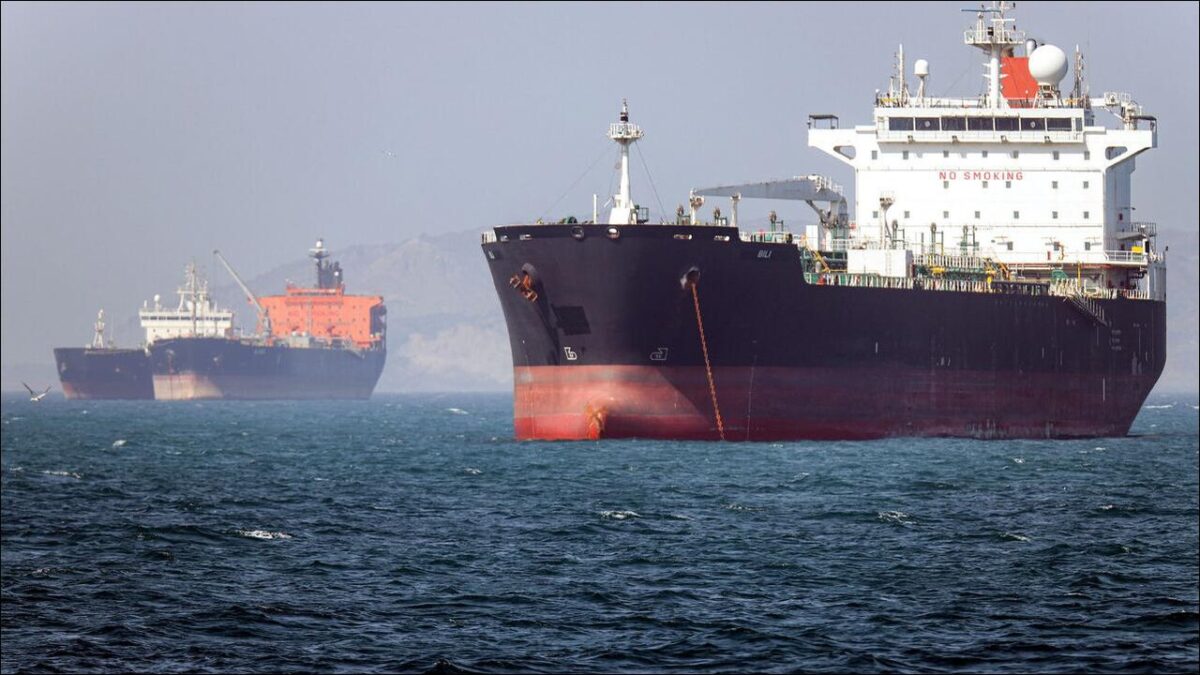
A laden Panama-flagged tanker, identified as the Greek-owned Kiku (300,866 dwt), found itself at the center of this geopolitical storm early on Saturday, June 27. The vessel, having loaded over two million barrels of crude oil at Qatar’s Al Shaheen Offshore Terminal, was outbound from the Gulf and reportedly bound for Singapore. According to U.S. Central Command, the Kiku was approximately 22 nautical miles off Ras Al Khaimah in the UAE when it was struck. This location highlights the proximity of these incidents to busy shipping routes and commercial hubs, intensifying the impact on regional maritime activity.
Initial reports from the master to UK Maritime Trade Operations (UKMTO) confirmed that the crew remained safe despite the vessel sustaining damage. The Maritime Security Center Indian Ocean (MSCIO) further specified that the tanker was struck by a drone on its starboard bridge wing. While the damage was assessed as minor, and the tanker was initially reported to be continuing its passage, its AIS data later showed it was bound for Fujairah in the UAE, a common port for ship repairs and bunkering in the region. This incident is part of a broader pattern of Iranian claims of firing “warning shots” at vessels attempting transit without their explicit permission, a contentious assertion that challenges international norms of freedom of navigation and maritime safety.
This latest assault on a commercial tanker follows a series of similar incidents, including a previous strike on the containership Ever Lovely. Donald Trump notably characterized the attack on the Ever Lovely as a “foolish violation of our ceasefire agreement,” illustrating the ongoing, simmering conflict and the challenges in maintaining any semblance of de-escalation. The continuous targeting of commercial vessels, whether tankers or containerships, not only disrupts trade but also elevates the perceived risk for all maritime traffic navigating the Gulf region, demanding enhanced vigilance and security measures from the international community.
US Retaliatory Strikes and Escalating Geopolitical Tensions
In direct response to the escalating aggressions, including the recent drone attack on the tanker and previous incidents, the U.S. has now staged two rounds of retaliatory strikes on Iranian infrastructure. These actions underscore the United States’ commitment to protecting international shipping and its allies in the region, signaling that such destabilizing acts will not go unanswered. The precision and target selection of these US strikes aim to degrade capabilities used for launching such attacks and deter future aggression, yet they also risk further inflaming an already volatile situation in the Middle East and wider Gulf region.
Iran, for its part, has countered these accusations, framing its actions as “defensive” and asserting that it targeted U.S. military installations with drones, particularly those reported launched towards Bahrain. The Bahrain Foreign Ministry confirmed “a number of drones,” adding another layer of complexity to the narrative and highlighting the increasing use of unmanned aerial systems in regional confrontations. This back-and-forth illustrates a dangerous cycle where each action by one party is met with a perceived necessity for retaliation by the other, pushing the region closer to a broader confrontation with unpredictable outcomes.
The broader geopolitical context sees these maritime incidents intertwined with complex regional rivalries and international power dynamics. The Strait of Hormuz, a critical choke point for global oil transport, remains highly susceptible to disruptions. The repeated targeting of commercial shipping vessels, whether by drone attacks or other means, challenges the established norms of international law and puts immense pressure on diplomatic efforts aimed at de-escalation. The constant state of alert and the tangible threat of military engagement directly impact the stability of the entire region and the global economy reliant on its waterways.
Impact on Maritime Security and Global Shipping Lanes
The immediate aftermath of the tanker drone attack saw the Joint Maritime Information Center (JMIC) rapidly raise the threat level to “substantial,” merely days after it had been lowered to “moderate.” This swift re-evaluation highlights the unpredictable and fluid nature of maritime threats in the Gulf. For shipowners, operators, and insurers, this translates into heightened alert levels, increased security protocols, and potentially soaring insurance premiums. The cost of navigating these vital shipping lanes is becoming increasingly prohibitive, affecting profit margins and supply chain reliability across various industries.
The economic ramifications extend far beyond just shipping costs. The consistent targeting of vessels carrying essential cargo, particularly crude oil, introduces significant volatility into global energy markets. Any disruption to the flow of oil from the Gulf, responsible for a substantial portion of the world’s supply, can lead to price spikes and economic instability worldwide. This risk forces energy companies and importing nations to reconsider supply chain vulnerabilities and potentially explore more expensive or circuitous routes, further impacting global trade and consumer prices for various goods and services.
Furthermore, these incidents challenge the principle of freedom of navigation in international waters, a cornerstone of global trade and peace. Naval forces from various nations, including the U.S. and its allies, are continually deployed to safeguard these critical waterways, but the evolving tactics, such as sophisticated drone attacks, present new challenges to traditional maritime defense. The international community faces a pressing need to collaborate on effective strategies to deter aggression, protect commercial shipping, and uphold the rule of law in these contested maritime zones, ensuring the safety of seafarers and the uninterrupted flow of global commerce.
Navigating the Future: Challenges for Gulf Stability
The continued cycle of drone attacks on commercial vessels and subsequent US strikes underscores the precarious state of Gulf stability. The region’s geopolitical landscape is characterized by deep-seated rivalries and a complex web of alliances, making any path to lasting peace exceedingly difficult. While diplomatic channels remain crucial, the effectiveness of de-escalation mechanisms is consistently tested by these acts of aggression. The long-term implications for regional trade and investment are significant, as uncertainty deters foreign capital and hinders economic development, impacting millions of lives and regional prosperity.
The evolving nature of maritime threats, particularly the proliferation of unmanned aerial vehicles (UAVs) or drones, poses a unique challenge to traditional naval defense strategies. These low-cost, high-impact weapons allow non-state actors or less conventional forces to inflict considerable damage and disruption to high-value targets like tankers with relative ease. Protecting commercial shipping from such asymmetric threats requires constant innovation in surveillance, interception technologies, and intelligence sharing among international partners, demanding a proactive rather than reactive approach.
Looking ahead, the international community must grapple with the urgent need for a unified approach to ensure the security of international waters. This includes strengthening international maritime laws, enforcing stricter accountability for acts of aggression, and fostering dialogue among regional powers to address underlying grievances. Without a concerted and cooperative effort, the risk of further escalation and devastating consequences for global trade, energy security, and regional stability will remain critically high. The safety of vital shipping lanes and the global economy depend on effective action now to prevent further instability.
The recent drone attack on a tanker off Oman and the subsequent US strikes serve as a stark reminder of the persistent and escalating dangers confronting global maritime trade. The continuous targeting of commercial vessels, particularly those transporting critical energy supplies, injects instability into world markets and elevates the threat level for all seafarers. As geopolitical tensions simmer, ensuring the security of vital shipping lanes in the Gulf remains paramount, demanding sustained vigilance and collaborative international efforts to protect the lifeblood of the global economy from further disruption and conflict.