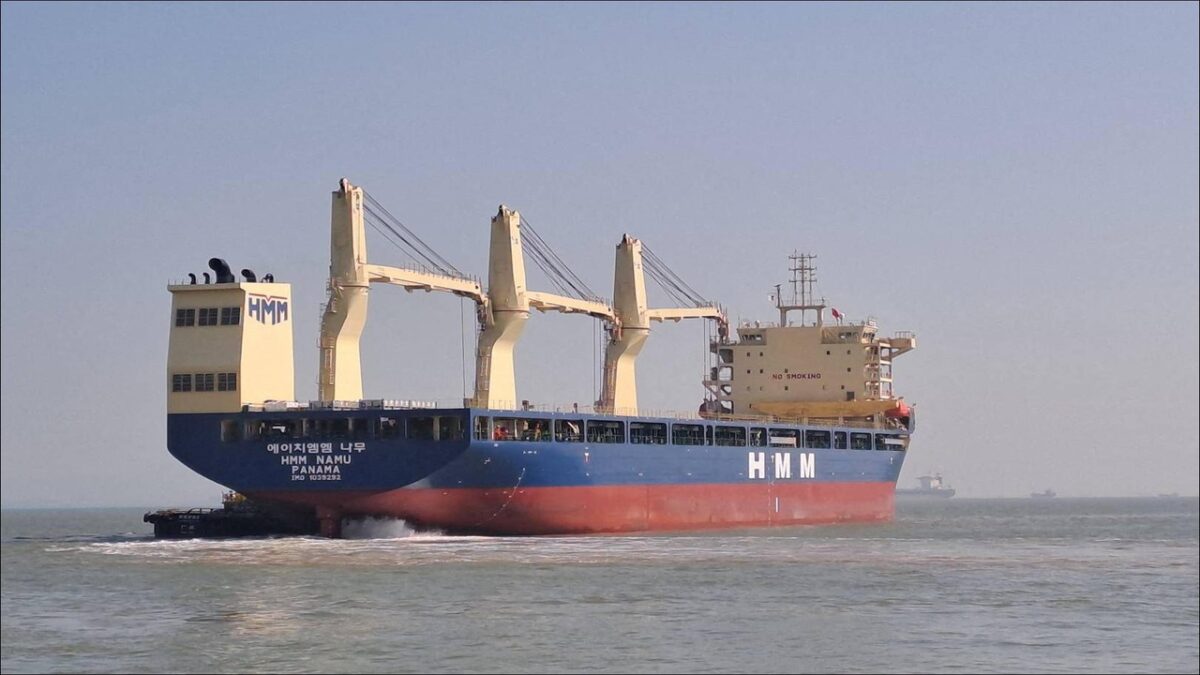
HMM Orders 10 New Bulkers & Gas Tankers | Mariner News
In a significant move poised to reshape its global shipping footprint, HMM, one of the world’s leading integrated logistics and shipping companies, has announced a substantial order for ten new vessels. This strategic investment includes a mix of modern bulkers and advanced gas tankers, signaling the company’s robust commitment to fleet modernization, diversification, and enhancing its capabilities across key maritime sectors. The order underscores HMM’s proactive approach to navigating the complexities of international trade, responding to evolving market demands, and solidifying its position as a major player in both dry bulk and liquefied gas transport. This expansion is not merely about increasing capacity; it represents a forward-thinking strategy to boost efficiency, embrace cutting-edge technology, and meet stringent environmental regulations, ensuring HMM remains competitive and sustainable for decades to come.
The decision by HMM to invest heavily in ten new bulkers and gas tankers reflects a carefully considered long-term strategy designed to fortify its market presence and capitalize on anticipated growth in global trade. The maritime industry is dynamic, influenced by geopolitical shifts, economic cycles, and a rapidly changing regulatory landscape focused on decarbonization. By acquiring these advanced newbuilds, HMM aims to enhance its operational flexibility, reduce its environmental impact, and improve overall service reliability for its clients worldwide. This strategic fleet expansion aligns with HMM’s vision to maintain a leading edge in a highly competitive global shipping arena, ensuring it can efficiently serve diverse cargo needs from raw materials to vital energy resources.
This substantial investment allows HMM to optimize its existing fleet while strategically phasing out older, less efficient vessels, thereby improving fuel consumption and reducing operational costs. The integration of modern vessels into the fleet will contribute significantly to HMM’s environmental targets, setting new benchmarks for eco-friendly shipping practices. Furthermore, the diversified nature of this order – encompassing both bulk carriers and gas tankers – indicates HMM’s intent to strengthen its position across multiple cargo segments, mitigating risks associated with reliance on a single market. This balanced approach to fleet growth positions HMM favorably to adapt to future market fluctuations and opportunities within the global supply chain.
HMM’s Strategic Fleet Expansion and Market Positioning
The acquisition of these ten new vessels is a pivotal element of HMM’s overarching strategic plan, aiming to not only expand capacity but also to modernize its fleet with state-of-the-art maritime technology. This significant newbuild order reflects HMM’s commitment to maintaining its leadership in the global shipping sector, where efficiency, reliability, and sustainability are paramount. The company’s vision involves anticipating future trade patterns and investing in assets that can meet these evolving requirements, particularly in the critical sectors of dry bulk commodities and liquefied gas transport. This expansion will allow HMM to better serve its international clientele, offering enhanced schedule integrity and a broader range of services across key trade routes.
The rationale behind this substantial investment is multi-faceted. Firstly, it addresses the increasing global demand for raw materials and energy, ensuring HMM has the necessary vessel capacity to support these vital supply chains. Secondly, it strengthens HMM’s competitive advantage by integrating highly efficient and environmentally compliant ships, positioning the company at the forefront of sustainable shipping practices. Thirdly, it underscores HMM’s dedication to operational excellence, leveraging advanced technology to optimize vessel performance and reduce the carbon footprint of its fleet. This strategic maneuver is expected to yield significant long-term benefits, securing HMM’s stature as a resilient and forward-thinking maritime enterprise.
Delving into the New Bulkers: Capacity and Capabilities
The bulkers included in HMM’s new order are designed to be at the forefront of dry bulk shipping, engineered for maximum efficiency and cargo flexibility. These new bulk carriers will play a crucial role in transporting essential commodities such as iron ore, coal, grains, and various mineral products across the globe. Each vessel is expected to feature advanced hull designs and highly efficient engines, optimizing fuel consumption and reducing emissions. This makes them not only economically viable but also environmentally responsible, aligning with international maritime regulations aimed at decarbonization.
These modern bulkers will enhance HMM’s ability to participate in major global dry bulk trade routes, offering significant cargo capacity and operational reliability. Their sophisticated navigation and cargo handling systems will ensure safe and efficient operations, minimizing port turnaround times and maximizing vessel utilization. The investment in these dry bulk carriers signals HMM’s confidence in the sustained demand for raw materials and its commitment to maintaining a robust presence in this foundational segment of the maritime industry. These vessels represent a significant upgrade, promising superior performance and reduced operational complexities compared to older generations of bulk shipping assets.
The Rise of Gas Tankers: Energy Transport and Future Fuels
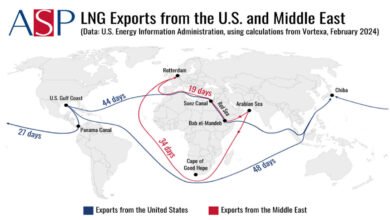
Equally pivotal to HMM’s new fleet order are the advanced gas tankers, which are strategically vital given the growing global emphasis on natural gas as a transition fuel and a cleaner energy source. These specialized vessels are designed for the safe and efficient transport of liquefied natural gas (LNG) and liquefied petroleum gas (LPG), critical commodities for energy security and industrial processes worldwide. The acquisition of these gas carriers positions HMM to capitalize on the increasing demand for energy logistics, particularly in markets transitioning away from more carbon-intensive fuels.
Modern gas tankers feature sophisticated containment systems and re-liquefaction plants to maintain cargo integrity and minimize boil-off gas, ensuring maximum efficiency during transit. Furthermore, these new gas tankers are expected to incorporate or be ‘future-proofed’ with capabilities for alternative fuels, such as ammonia or hydrogen, aligning with the shipping industry’s long-term goal of achieving zero-emission operations. This proactive approach to energy transport underscores HMM’s commitment to supporting the global energy transition while maintaining high operational standards and safety protocols inherent to gas shipping. The advanced technology aboard these vessels will ensure they meet stringent environmental regulations and offer reliable service in the highly specialized gas shipping market.
Shipbuilding Partnerships and Technological Advancements
The construction of these ten new bulkers and gas tankers will undoubtedly involve partnerships with some of the world’s leading shipyards, likely in South Korea, renowned for their expertise in cutting-edge maritime engineering. These shipyards are at the forefront of developing and implementing advanced technologies that enhance vessel performance, reduce environmental impact, and improve operational safety. The collaboration ensures that HMM’s new fleet will incorporate the latest innovations in shipbuilding, from optimized hull forms designed to minimize hydrodynamic resistance to highly efficient main engines and auxiliary systems.
Technological advancements embedded in these new vessels will include features such as advanced waste heat recovery systems, smart ship technologies for real-time monitoring and predictive maintenance, and possibly shore power connectivity to reduce emissions while in port. Compliance with the International Maritime Organization’s (IMO) latest environmental regulations, including EEXI (Energy Efficiency Existing Ship Index) and CII (Carbon Intensity Indicator), will be a design priority, ensuring the ships are future-proofed for evolving sustainability standards. This focus on technological excellence not only promises operational savings through enhanced fuel efficiency but also reinforces HMM’s commitment to responsible and eco-friendly maritime transport, contributing positively to the industry’s decarbonization efforts.
Impact on the Global Shipping Landscape and HMM’s Future
HMM’s substantial order for ten new bulkers and gas tankers carries significant implications for both the company and the broader global shipping landscape. By expanding and modernizing its fleet with these versatile and technologically advanced vessels, HMM is poised to strengthen its competitive position across key dry bulk and gas shipping segments. This investment signals HMM’s long-term confidence in global trade growth and its proactive strategy to meet the evolving demands for efficient and sustainable maritime logistics. The increased capacity and enhanced operational capabilities will allow HMM to capture a larger market share and offer more reliable services to its international client base.
For the global shipping industry, HMM’s move highlights a continued trend towards fleet renewal and the adoption of greener technologies. It encourages other shipping lines to invest in similar advancements to remain competitive and compliant with environmental regulations. The introduction of these highly efficient bulkers and gas tankers will contribute to overall industry efficiency and help reduce the collective carbon footprint of global maritime transport. Ultimately, this strategic decision by HMM underscores its commitment to innovation, sustainability, and robust growth, positioning the company as a key influencer in the future trajectory of international shipping and a crucial enabler of global supply chain resilience.