Port of Quebec Boosts Shore Power for Green Shipping | Mariner News
Port of Quebec Secures Major Funding to Propel Green Shipping Initiatives
The Port of Quebec is making significant strides in its ambitious decarbonization strategy, bolstered by new funding aimed at expanding its shore power capabilities. This pivotal investment reinforces the port’s commitment to reducing maritime emissions and noise pollution, marking a crucial step towards sustainable shipping operations along the St. Lawrence River. The Government of Quebec has allocated substantial financial support, highlighting a provincial dedication to environmental stewardship within the maritime sector. This development positions the Port of Quebec at the forefront of green port initiatives, setting a new standard for cleaner, more environmentally friendly port activities.
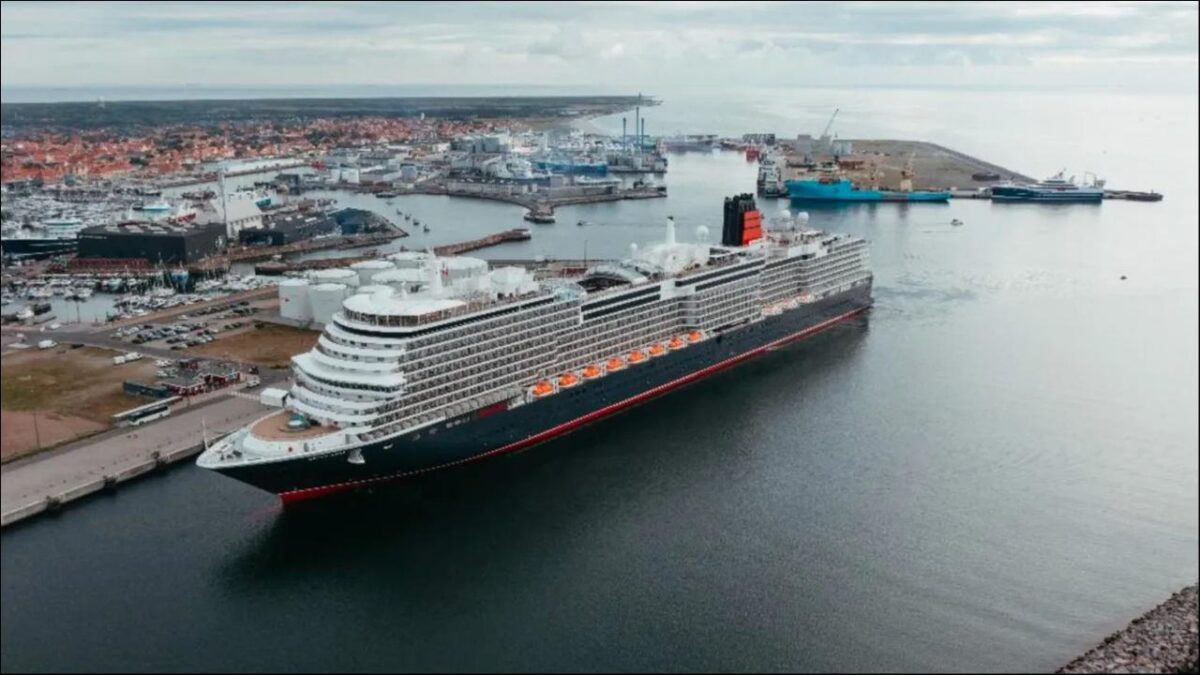
This strategic funding allocation is designed to facilitate the implementation of advanced shore power systems at two key wharves: Wharf 30 and Wharf 101. Wharf 30, a vital hub for cruise ships, will receive CAD 4 million, while Wharf 101, a significant cargo wharf, will benefit from CAD 1.1 million. These projects are slated to commence operations by 2028, enabling vessels to connect directly to the local electricity grid while docked. This innovative ‘cold ironing’ technology will dramatically reduce the need for ships to run their auxiliary engines, consequently curbing the consumption of bunker fuel and mitigating harmful atmospheric pollutants. The Port of Quebec’s vision for a greener future is clearly taking shape, promising tangible improvements in air quality and the overall well-being of local communities.
Catalyzing Green Maritime Operations: The Role of Shore Power
Shore power, often referred to as Onshore Power Supply (OPS) or cold ironing, is a transformative technology for the maritime industry’s environmental agenda. By allowing berthed ships to plug into land-side electrical grids, it eliminates the need for vessels to burn fossil fuels for onboard power generation. This not only significantly reduces greenhouse gas emissions, including carbon dioxide, nitrogen oxides (NOx), sulfur oxides (SOx), and particulate matter, but also curtails noise pollution emanating from ship engines. For port cities like Quebec, where urban areas often sit in close proximity to port operations, these benefits translate directly into improved air quality for residents and a more tranquil environment.
The Port of Quebec recognizes shore power as a cornerstone of its comprehensive decarbonization strategy. Olga Farman, President and CEO of the Port of Quebec, has emphasized that this initiative will tangibly enhance air quality and improve citizens’ lives, firmly establishing the port as a leader committed to the global energy transition. This commitment extends beyond mere compliance, reflecting a proactive approach to fostering a sustainable maritime ecosystem. The Port of Quebec’s investment in this clean energy solution underscores a broader industry trend towards environmentally conscious operations, signaling a paradigm shift in how ports manage their environmental footprint and engage with surrounding communities.
Strategic Expansion: Wharves 30 and 101
The strategic deployment of shore power at Wharf 30 and Wharf 101 underscores the Port of Quebec’s holistic approach to reducing emissions across diverse vessel types. Wharf 30, catering primarily to cruise ships, will offer a crucial environmental upgrade for the burgeoning cruise tourism sector. Cruise vessels, known for their substantial power demands, can significantly benefit from cold ironing, leading to substantial reductions in their operational emissions while docked. This move not only aligns with growing passenger expectations for sustainable travel but also enhances the port’s appeal as an environmentally responsible destination, boosting its reputation within the global cruise industry.
Perhaps even more groundbreaking is the implementation of shore power at Wharf 101. This initiative will make it the very first cargo-focused wharf on the St. Lawrence River to offer this innovative green technology. The economic and environmental implications for the cargo shipping sector are profound. Cargo vessels, particularly those engaged in regular routes, will now have the option to significantly cut their fossil fuel consumption and emissions while undergoing port calls. The Port of Quebec estimates that this project alone will eliminate hundreds of hours of fossil fuel use annually, preventing almost 5,600 tonnes of emissions over a decade. This forward-thinking approach for cargo operations highlights a scalable model for other ports looking to decarbonize their freight handling activities, pushing the boundaries of what is possible in sustainable logistics.
Environmental and Economic Benefits of Onshore Power Supply
The multifaceted benefits of shore power extend beyond immediate emissions reductions. Economically, while the initial investment in onshore power supply infrastructure can be substantial, the long-term operational savings for shipping lines can be significant. Reduced bunker fuel consumption translates directly into lower operating costs for vessels during port calls. Furthermore, ports that adopt such green technologies often enhance their competitive edge, attracting environmentally conscious shipping companies and bolstering regional economic development through sustainable practices. The Port of Quebec’s proactive stance is likely to foster a ripple effect, encouraging other ports along the St. Lawrence and beyond to adopt similar green initiatives.
From an environmental perspective, the climate benefit of shore power is intrinsically linked to the source of electricity supplied to the vessels. In regions with a high proportion of renewable energy in their grid mix, like Quebec with its abundant hydroelectric power, the environmental advantages are maximized. This ensures that the electricity powering the ships is truly clean, contributing to a genuine reduction in the overall carbon footprint of maritime transport. The Port of Quebec is ideally positioned to leverage Canada’s clean energy infrastructure, making its shore power initiative a truly green solution that supports broader climate action goals.
Quebec’s Vision for Sustainable Shipping and Global Implications
The Port of Quebec’s commitment to sustainable shipping through shore power is a testament to Canada’s broader environmental goals and its role in the global fight against climate change. This initiative is not an isolated effort but part of a larger, evolving landscape of green maritime infrastructure development worldwide. Ports globally are under increasing pressure to reduce their environmental impact and comply with stricter emissions regulations. The Port of Quebec serves as an inspiring example of how strategic investment and foresight can drive meaningful change within the maritime industry.
While shore power effectively tackles local emissions and noise, the wider decarbonization of global shipping necessitates significant investment in alternative marine fuels and innovative propulsion technologies. However, cold ironing remains a vital, immediately implementable solution for reducing emissions during the often-prolonged periods vessels spend in port. By addressing this critical component of maritime operations, the Port of Quebec is contributing significantly to the overall sustainability of the supply chain and paving the way for a cleaner, greener future for shipping. This move firmly establishes the Port of Quebec as a progressive leader in the global maritime energy transition, demonstrating a tangible commitment to protecting the environment and enhancing the quality of life for its communities.