Shenzhen Port, Bureau Veritas Forge Green Shipping Partnership | Mariner News
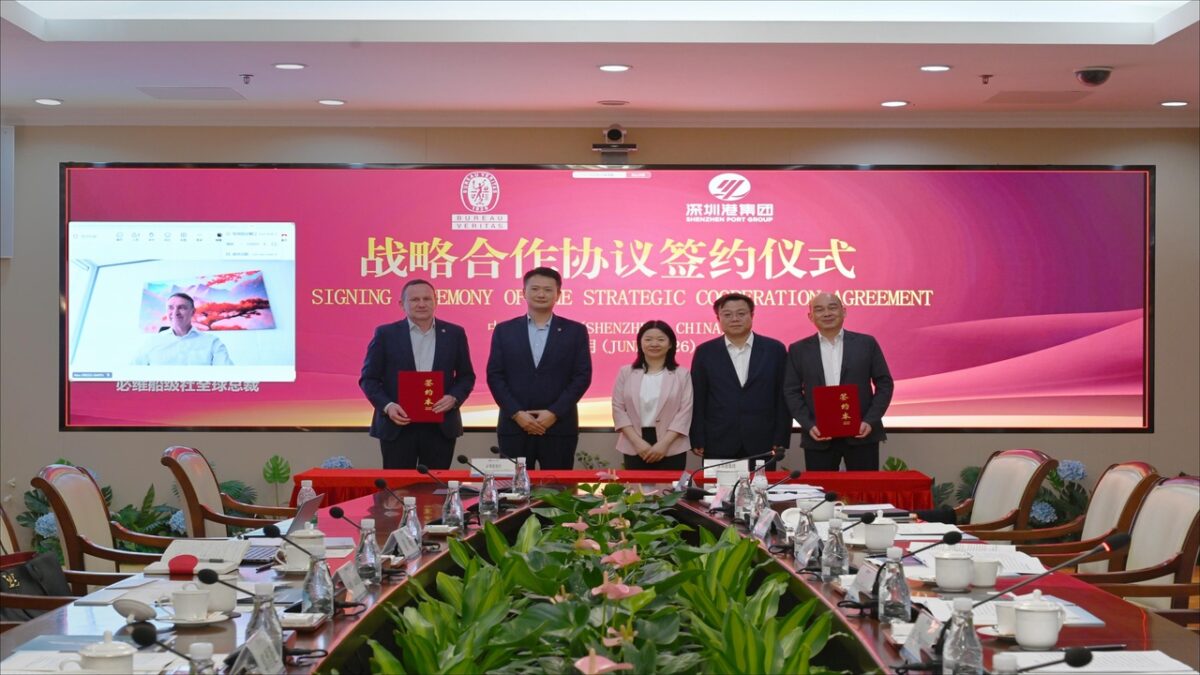
In a pivotal move set to significantly advance global maritime decarbonization, Shenzhen Port Group and Bureau Veritas Marine & Offshore (BV) have forged a strategic cooperation agreement focused on developing green shipping corridors. This landmark partnership, signed in Shenzhen on June 29, 2026, marks a significant step forward in the industry’s energy transition, leveraging the combined expertise of a major global port and a leading classification society. The collaboration aims to accelerate scalable green shipping initiatives, positioning Shenzhen as a frontrunner in sustainable port operations and propelling the entire maritime sector towards a more environmentally responsible future. This alliance is not merely a ceremonial signing but a testament to a shared commitment to addressing the urgent need for greener maritime practices and fostering innovation in port sustainability.
A Landmark Alliance for Sustainable Shipping
The strategic cooperation agreement between Shenzhen Port and Bureau Veritas represents a critical juncture for sustainable shipping development, particularly within the bustling Asia/Pacific region. This comprehensive partnership is designed to combine Shenzhen Port Group’s vast operational insights and strategic location with Bureau Veritas’s profound technical knowledge and regulatory expertise in the marine and offshore sectors. The core objective is clear: to meticulously plan, develop, and implement green shipping corridors—routes where ships operate with significantly reduced or zero emissions, utilizing alternative marine fuels and innovative propulsion technologies.
This collaborative framework extends beyond mere advisory services, encompassing a holistic approach to fostering a sustainable maritime ecosystem. Both entities will pool their resources to identify viable green initiatives, from optimizing vessel efficiency to establishing robust alternative fuel bunkering infrastructure.
The partnership underscores a mutual understanding that achieving the ambitious goals of the global energy transition within the maritime industry necessitates deep, industry-wide collaboration and a commitment to pioneering environmentally sound solutions. By working in concert, Shenzhen Port and Bureau Veritas are poised to create tangible, scalable models for green shipping that can serve as blueprints for other ports and shipping routes worldwide.
Bureau Veritas Driving Green Maritime Solutions
Bureau Veritas’s role in this strategic alliance is multifaceted and central to the technical implementation of green shipping initiatives. As a world-renowned classification society, BV will provide indispensable technical support on evolving maritime regulations, ensuring that Shenzhen Port’s domestic practices align seamlessly with stringent international standards governing environmental performance and safety. This involves continuous monitoring and guidance on compliance with new IMO guidelines and regional environmental policies, which are critical for navigating the complex landscape of maritime decarbonization.
Furthermore, BV will offer a comprehensive suite of testing, inspection, and certification (TIC) services across the entire green fuel value chain. This critical support spans from the nascent stages of renewable energy production, which will power the new generation of ships, to the intricate development of alternative marine fuel bunkering infrastructure.
Whether it’s methanol, ammonia, hydrogen, or advanced biofuels, BV’s expertise will be crucial in verifying the safety, reliability, and environmental integrity of these novel fuel sources and their handling systems. Their involvement guarantees that new technologies and operational procedures meet the highest safety and environmental benchmarks, thereby accelerating the safe adoption of these green fuels within the maritime ecosystem and supporting the broader energy transition.
Shenzhen Port’s Commitment to a Greener Future
As one of the world’s busiest container ports and a vital gateway for global trade, Shenzhen Port’s proactive engagement in this partnership underscores its profound commitment to environmental stewardship and port sustainability. This initiative aligns perfectly with China’s broader national strategies aimed at achieving carbon neutrality and fostering ecological civilization. By embracing green shipping corridors, Shenzhen Port is not only addressing its environmental responsibilities but also enhancing its competitive advantage in a rapidly evolving global shipping landscape where sustainability is increasingly becoming a key differentiator.
The port group’s leadership understands that sustainable port operations are essential for long-term growth and resilience. This collaboration with Bureau Veritas will enable Shenzhen Port to integrate cutting-edge green technologies and best practices into its infrastructure and operational protocols. From shore power facilities to optimized logistics for lower emissions, the port aims to reduce its carbon footprint and improve air quality in the surrounding region.
By investing in the development of robust alternative marine fuel bunkering capabilities, Shenzhen is strategically positioning itself as a pivotal hub for the distribution and adoption of greener fuels, thereby supporting the entire shipping industry’s journey towards decarbonization.
The Global Imperative for Green Shipping Corridors
Green shipping corridors are emerging as a cornerstone strategy in the global effort to decarbonize the maritime industry. These dedicated routes are designed to showcase and scale up zero-emission shipping solutions, proving their viability and paving the way for wider adoption. The concept involves a holistic approach, encompassing not just the vessels themselves but also port infrastructure, fuel supply chains, and regulatory frameworks.
By establishing such corridors, stakeholders can collectively address the complex challenges of transitioning away from fossil fuels, including the development of new technologies, the production and distribution of alternative marine fuels, and the necessary policy support. The International Maritime Organization (IMO) has set ambitious targets for greenhouse gas emission reductions, and green shipping corridors are seen as practical, impactful pathways to achieve these goals.
This collaborative model, as exemplified by the Shenzhen Port and Bureau Veritas partnership, fosters the sharing of knowledge, resources, and best practices among port authorities, shipping lines, energy providers, and technology innovators. Numerous other global initiatives, from the Clydebank Declaration to regional projects in North America and Europe, are also pushing for the establishment of similar corridors, creating a global network of sustainable shipping routes. These corridors serve as living laboratories for future maritime decarbonization, accelerating learning and reducing risks for broader industry adoption.
Accelerating the Maritime Energy Transition
The maritime energy transition represents one of the most significant challenges and opportunities for the shipping industry in decades. Moving away from traditional heavy fuel oil to alternative marine fuels like LNG, methanol, ammonia, hydrogen, and advanced biofuels requires substantial investment, technological innovation, and regulatory adaptation. The partnership between Shenzhen Port and Bureau Veritas directly addresses these critical needs by focusing on the practical implementation aspects of this transition.
Developing the necessary bunkering infrastructure for these new fuels is paramount; without it, widespread adoption of zero-emission vessels remains a distant goal. Bureau Veritas’s expertise in classification and certification will be instrumental in ensuring the safety and operational reliability of these new fuel systems and their associated supply chains. This includes assessing the risks associated with handling highly volatile or toxic alternative fuels, ensuring robust design standards for new bunkering vessels and facilities, and certifying crew training programs.
Furthermore, the collaboration will foster innovation in ship design and propulsion systems, encouraging the development and deployment of next-generation vessels capable of utilizing these greener energy sources. By strategically investing in these areas, Shenzhen Port, supported by BV, is helping to de-risk the transition for shipping lines and accelerate the availability of viable, safe, and sustainable shipping solutions globally.
The strategic cooperation between Shenzhen Port Group and Bureau Veritas on green shipping corridors is a powerful example of the concerted efforts required to achieve global maritime decarbonization. This alliance not only sets a high standard for sustainable port operations and infrastructure development but also provides a tangible blueprint for other international hubs aspiring to embrace greener practices. By combining regulatory expertise with practical port innovation, this partnership will significantly contribute to accelerating the maritime industry’s energy transition. As the shipping world moves towards a more sustainable future, initiatives like this will be crucial in navigating the complexities and delivering the environmental benefits that are urgently needed for our planet.