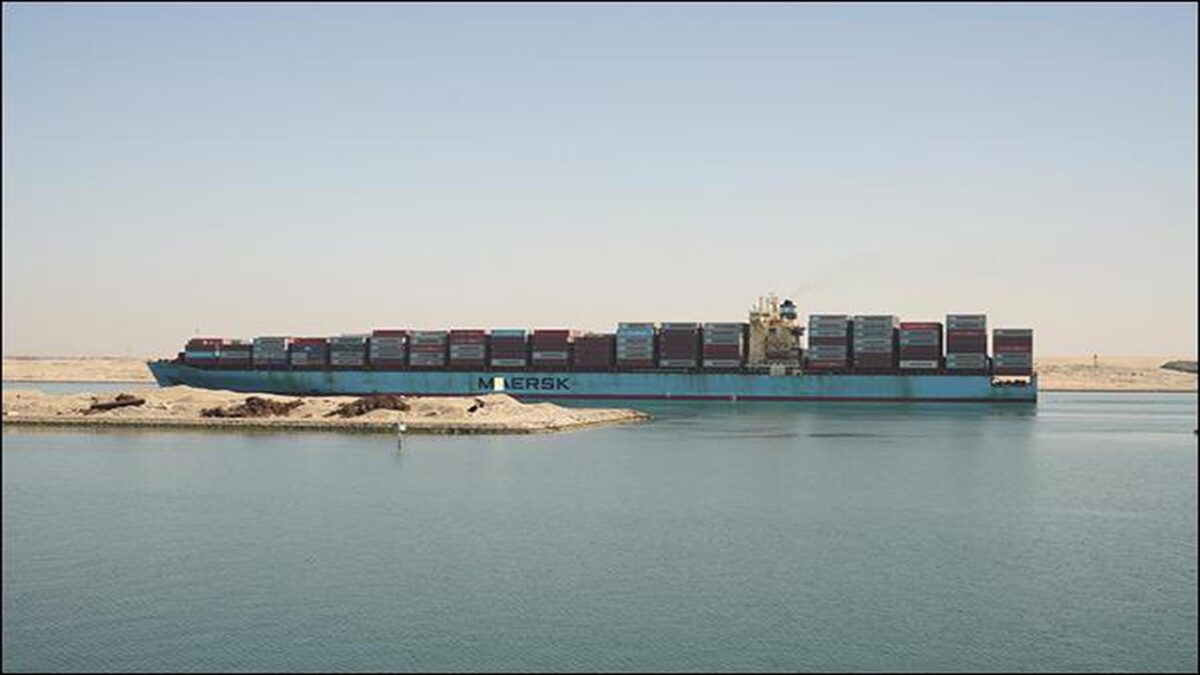
Maersk & Hapag-Lloyd Boost Suez Canal Joint Service | Mariner News
Maersk and Hapag-Lloyd, two stalwarts of the container shipping industry, are reinforcing their commitment to the crucial Suez Canal route by adding another joint service to their operations. This strategic expansion, executed under their innovative Gemini Cooperation agreement, signifies a confident return to a vital maritime corridor that has recently faced security challenges. The decision to reroute the AE15 service through the Suez Canal underscores its enduring value as the fastest and most efficient artery for global supply chains connecting Asia and Europe, demonstrating a renewed focus on optimized shipping routes and enhanced supply chain resilience for international trade.
The Strategic Significance of the Suez Canal in Global Trade
The Suez Canal, an iconic waterway connecting the Mediterranean Sea to the Red Sea, remains an indispensable lifeline for international commerce. Since its completion, it has dramatically reduced transit times and operational costs for shipping lines, eliminating the need for lengthy detours around Africa’s Cape of Good Hope. For leading container transport providers like Maersk and Hapag-Lloyd, leveraging this shortcut is fundamental to competitive efficiency. The Canal facilitates roughly 12% of global seaborne trade, making disruptions here deeply impactful for the entire global economy. The return of these shipping giants to increased Suez Canal transits highlights its irreplaceable role in achieving speed, connectivity, and cost-effectiveness.
This maritime corridor is synonymous with efficient maritime logistics, offering significant economic advantages including reduced fuel consumption, faster delivery, and a lower carbon footprint, all critical factors for modern global supply chains and container shipping operations.
Gemini Cooperation Expands: The AE15 Service Returns to Suez
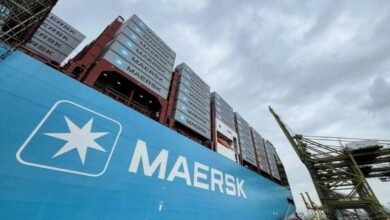
Under the collaborative framework of their Gemini Cooperation, Maersk and Hapag-Lloyd are steadily re-integrating services through the Suez Canal, a strategic move aimed at enhancing service reliability and optimizing network efficiency. The latest reintroduction involves the AE15 service, a pivotal Asia-Europe route that links major ports across Asia, the Mediterranean, and Northern Europe. During periods of heightened security risks in the Red Sea, many carriers, including these two, diverted vessels via the Cape of Good Hope, incurring additional weeks in transit and substantially higher fuel expenses. With improved security assessments, the AE15 service is now poised to resume its intended path through the Suez Canal. The inaugural journey on this revised shipping route will be undertaken by the Majestic Maersk, symbolizing the advanced capabilities of these container shipping leaders. This rerouting signals strong confidence in the security landscape of the Red Sea, confirming the carriers’ commitment to offering their customers the most direct and expeditious transport solutions.
The joint service expansion under the Gemini Cooperation structure allows for pooled resources, fostering a more robust and adaptable network for Maersk and Hapag-Lloyd. This strategic adjustment for the AE15 service enhances direct connectivity between crucial manufacturing hubs and consumer markets, reducing lead times and improving delivery predictability for diverse goods crucial for international trade.
Balancing Red Sea Security and Operational Efficiency
The shipping industry has grappled with unprecedented security challenges in the Red Sea and Bab-el-Mandeb Strait over the past two years, with attacks on commercial vessels by Yemen’s Houthi movement forcing major container carriers like Maersk and Hapag-Lloyd to temporarily bypass the Suez Canal. These diversions around the Cape of Good Hope, though necessary for safety, imposed significant financial and logistical burdens, extending voyages by thousands of miles and weeks. The current gradual return to Suez Canal transits is underpinned by a cautious yet optimistic re-evaluation of the security situation. This decision is complex, involving detailed risk analysis, coordination with international maritime security entities, and continuous monitoring of regional developments. Maersk emphasized the rationale, stating, “The route through the Suez and the Red Sea is the fastest, most sustainable and most efficient way to serve customers with transport between Asia and Europe.” This statement perfectly encapsulates the dual priorities: speed and environmental responsibility alongside economic efficiency. The shift back demonstrates a finely tuned balance between managing risk and maximizing operational benefits for global supply chains.
A vital precedent for the AE15 reroute was the February decision by the companies to send their IMX service, connecting India, the Middle East, and the Mediterranean, through the Suez Canal. This initial move provided crucial operational experience and confirmed the viability and safety of resuming transits. The success of the IMX service likely provided the impetus for the broader reintegration of the Suez Canal into the strategic framework of the Gemini Cooperation. This phased, deliberate approach by Maersk and Hapag-Lloyd underscores their dedication to ensuring the safety and reliability of their maritime logistics. The benefits are multifaceted: reduced fuel consumption translates to lower emissions, supporting sustainability goals, while expedited transit times improve supply chain predictability and lower inventory costs for businesses. This measured return signifies a broader industry inclination toward re-establishing the Suez Canal as the preferred maritime transport conduit for East-West trade, provided security conditions remain manageable.
Broader Implications for International Shipping and Supply Chain Resilience
The strategic move by Maersk and Hapag-Lloyd to increase their Suez Canal transits has profound implications for the international shipping industry and the resilience of global supply chains. It sends a powerful market signal that confidence in Red Sea security is improving, potentially encouraging other carriers to follow suit. A broader return to the Suez Canal route would alleviate capacity strains caused by longer voyages, contributing to more stable freight rates and predictable shipping schedules. For businesses, this translates into enhanced certainty for inventory management and production planning, fostering more agile and responsive supply chains that can adapt swiftly to market demands.
This decision also significantly boosts the efficiency and environmental credentials of maritime transport. Shorter voyages inherently lead to less fuel consumption, reducing operational costs and lowering carbon emissions, aligning with growing industry and regulatory demands for sustainability in shipping. The Gemini Cooperation itself, through this enhanced collaboration, exemplifies an industry trend towards partnerships that optimize networks, improve reliability, and collectively navigate complex geopolitical challenges. This joint service expansion is a proactive step to strengthen supply chain resilience, ensuring vital goods continue to flow efficiently across continents.
Future Outlook for Maritime Logistics and Strategic Partnerships
The expanded integration of the Suez Canal route within the Gemini Cooperation framework between Maersk and Hapag-Lloyd marks a pivotal moment in maritime logistics. This gradual return signals a long-term strategic commitment to leveraging the Canal’s benefits, contingent on sustained improvements in Red Sea security. Anticipating the future, it is highly probable that more services currently bypassing Africa will eventually revert to the Suez, further solidifying its role as the primary artery for East-West trade. The emphasis on efficiency, sustainability, and reliability demonstrated by this joint service expansion is likely to influence the broader shipping industry.
As geopolitical landscapes continue to evolve, the adaptive capabilities of major container shipping lines like Maersk and Hapag-Lloyd in assessing and responding to risks while maintaining operational excellence will be crucial. Their dedication to the Suez Canal route, bolstered by the robust Gemini Cooperation, positions them as leaders in shaping the next era of efficient and resilient maritime transport and global supply chains.