Peru Port Oversight: Chancay & US-China Geopolitics | Mariner News
In a significant development that reverberates across global maritime circles, a Peruvian court has reversed an earlier decision, granting Peru port oversight of the strategic Chinese-built Chancay Port. This ruling is not merely a local regulatory adjustment; it represents a new focal point in the escalating geopolitical battle between China and the United States for influence in the Western Hemisphere. The privately funded and constructed facility, developed by Chinese state-owned firm COSCO Shipping Ports, has quickly become a symbol of the complex interplay between foreign investment, national sovereignty, and the strategic importance of critical infrastructure in an interconnected world. The decision underscores Peru’s assertion of regulatory authority over key maritime assets, directly challenging the narrative that large-scale foreign capital automatically cedes national control, a concern frequently voiced by US officials regarding China’s expanding footprint.
The Strategic Importance of Peru’s Chancay Port
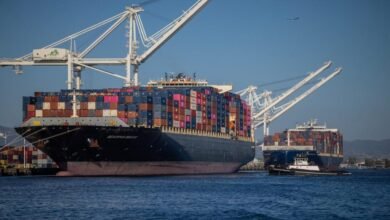
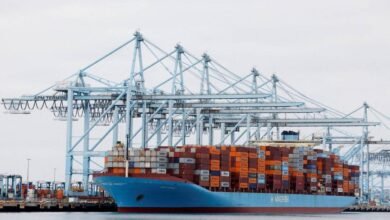
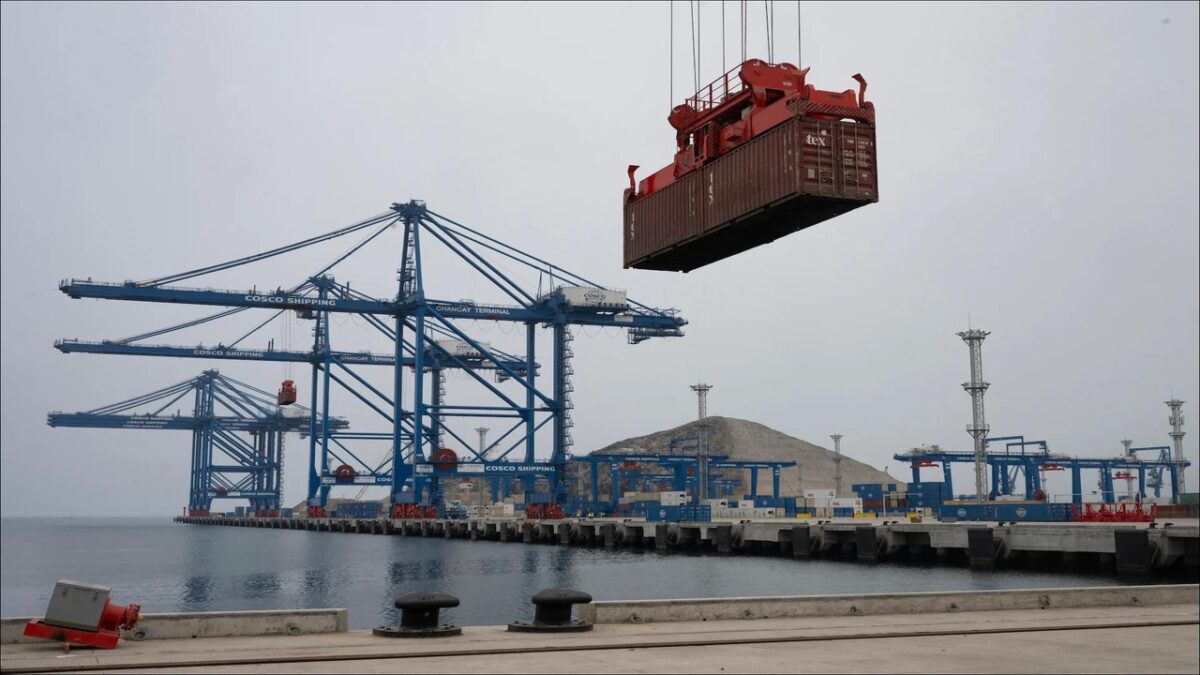
The Chancay port, situated approximately 50 miles north of Lima, is more than just another shipping terminal; it is poised to become a vital gateway for South American trade with Asia. Built at an reported cost of 1.3 billion dollars, this Chinese-built port commenced full commercial operations in June 2025, boasting a designed capacity of one million TEU annually. Its deep-water berths are capable of accommodating the largest container vessels, positioning it as a pivotal hub for trans-Pacific routes and potentially transforming Peru into a major logistical center for the entire Pacific coast of Latin America.
COSCO’s vision for Chancay extends beyond mere cargo handling; it aims to establish an integrated logistics ecosystem that could significantly reduce shipping times and costs for goods traveling between South America and Asia. This economic promise initially garnered widespread enthusiasm, seen as a catalyst for regional growth and a modern enhancement to Peru’s port infrastructure. The development promised new jobs, increased trade volumes, and a stronger position for Peru in the global supply chain, drawing considerable attention from international trade analysts and investors alike.
However, the very scale and strategic nature of the Chancay port quickly propelled it into the spotlight of global power dynamics. As a significant piece of foreign infrastructure investment, particularly from China, its operational control and regulatory framework became a subject of intense scrutiny. The port’s capacity to handle massive cargo flows and its potential to influence regional shipping lanes elevated it beyond a simple commercial venture, making it a key player in broader geopolitical rivalries. The question of who ultimately controls such a vital asset, even if privately funded, became paramount.
This inherent strategic value explains why the Chinese-built port has become such a contentious issue. Its development highlights the intricate balance nations must strike between welcoming foreign investment to fuel economic development and safeguarding national interests, including economic sovereignty and security. The battle over Chancay’s oversight thus reflects a wider global debate about the governance of essential infrastructure in an era of intensifying great power competition, demonstrating how local court decisions can have far-reaching international implications.
Peru’s Regulatory Battle: Sovereignty and Control
The recent Peruvian court ruling stems from an appeal lodged by Ositran, the state’s regulatory authority for public transport infrastructure. In January, a lower court had sided with COSCO, which argued that since the port was privately funded and operated, it was exempt from direct state oversight beyond initial concessions. This perspective aligned with standard private investment models where the investor maintains significant autonomy in operations, often limiting government intervention to contractual agreements and general legal compliance, rather than direct regulatory supervision.
Ositran, however, contended that despite its private funding and operation, the Chancay port functions as a public-use port, providing essential services to the nation’s and region’s trade. Therefore, it argued, the state has an inherent right and responsibility to exercise oversight. This fundamental legal distinction—between a purely private enterprise and a public-service utility—became the crux of the regulatory battle. The appeal highlighted the Peruvian government’s determination to assert its regulatory authority over critical national infrastructure, regardless of its ownership structure.
The appellate court’s decision explicitly affirmed Ositran’s authority, stating that the regulatory body has the power to regulate, supervise, inspect, and sanction operators under Peruvian law. This ruling effectively overturns the previous judgment and grants the Peruvian state a more direct and extensive role in the port’s operations than COSCO had initially anticipated or desired. The implications are significant for future foreign investment projects, as it sets a precedent that even privately funded mega-projects serving a public purpose will remain subject to comprehensive governmental oversight.
For Peru, this ruling is a victory for national sovereignty and regulatory control, demonstrating that the nation is unwilling to cede absolute authority over vital assets, even when pursuing economic growth through foreign partnerships. It sends a clear message about the boundaries of private enterprise within the context of public utility, underscoring the government’s commitment to protecting its strategic interests and ensuring that national economic development aligns with its regulatory frameworks. This move is crucial in maintaining the delicate balance between attracting international capital and safeguarding domestic governance, particularly in projects with significant national impact.
US-China Geopolitical Rivalry in Latin America
The legal contest over the Chancay port’s oversight unfolds against a broader backdrop of intensifying US-China geopolitical rivalry, particularly in Latin America. US officials have repeatedly voiced concerns that China’s growing economic influence in the region, often through infrastructure development projects, could lead to nations ceding sovereignty and potentially undermining Western Hemisphere security interests. The Chancay project, as a high-profile Chinese-built port, quickly became a tangible example of these concerns.
The Trump administration, in particular, has been vocal about perceived threats from Chinese control over critical maritime infrastructure. Donald Trump himself has frequently asserted that China seeks to control the Panama Canal, and he reiterated this stance recently, declaring that the “United States will not let China take over the Panama Canal.” This rhetoric highlights a consistent US foreign policy objective to counter what it views as an assertive Chinese strategy to establish strategic footholds in crucial global trade arteries, including ports and canals.
The battle over Chancay port oversight mirrors these larger geopolitical anxieties. For the US, Chinese involvement in such a strategically significant port in Peru raises questions about potential dual-use capabilities (civilian and military), data security, and the long-term impact on regional power dynamics. The fear is that economic leverage could translate into political or even military influence, disrupting the existing balance of power and potentially challenging US interests and alliances in Latin America. The port’s capacity and advanced infrastructure make it an attractive asset for any global power looking to project influence.
Conversely, China frames its investments in Latin America, including the Chancay port, purely as economic cooperation initiatives aimed at mutual benefit and promoting global trade. Beijing emphasizes infrastructure development as a key component of its Belt and Road Initiative, designed to enhance connectivity and economic prosperity. From China’s perspective, US objections are seen as an attempt to stifle fair competition and obstruct the legitimate economic development of sovereign nations. This clash of narratives underscores the profound ideological and strategic differences at play, transforming a regulatory dispute into a proxy battle in a wider global competition for influence and maritime security.
Future Implications for Global Maritime Trade and Investment
The Peruvian court’s decision regarding the Chancay port’s oversight carries substantial implications for the future landscape of global maritime trade and international investment. For foreign investors, particularly those from China, it introduces a new layer of regulatory risk and scrutiny for large-scale infrastructure projects. While nations seek foreign capital for development, this ruling signals that even privately funded ventures in strategic sectors will be subject to robust national oversight, potentially altering the attractiveness of certain investment models or requiring more flexible negotiation terms from foreign entities.
This legal precedent could prompt other nations in Latin America and beyond to re-evaluate their own regulatory frameworks concerning foreign-built or operated critical infrastructure. Governments might strengthen their oversight mechanisms, ensuring that national interests, sovereignty, and security are not compromised by large-scale international partnerships. This could lead to a global trend where host countries increasingly assert their regulatory prerogatives over essential assets like ports, railways, and telecommunications networks, leading to more complex investment environments.
For global maritime trade, a more tightly regulated environment in key ports like Chancay could introduce additional operational complexities or even delays, depending on how oversight is implemented. However, it could also foster greater transparency and accountability, potentially enhancing the long-term stability and reliability of these crucial trade nodes. The balance between efficient, privately managed operations and comprehensive public oversight will be a key factor in determining the ultimate impact on supply chains and shipping costs, influencing how global logistics are planned and executed for container shipments.
Ultimately, the Chancay port ruling is a stark reminder of the evolving dynamics in global finance and geopolitics. It underscores the challenges of balancing economic ambitions with national security concerns and the imperative for sovereign nations to maintain control over their critical assets. As the US and China continue their competition for global influence, similar regulatory challenges and geopolitical battles over infrastructure development are likely to emerge, shaping the future of global maritime commerce and international relations for years to come. It highlights the critical need for clear legal frameworks that protect national interests while fostering beneficial international cooperation.