North Sea Offshore Vessel Rates Soar to Record Highs | Mariner News
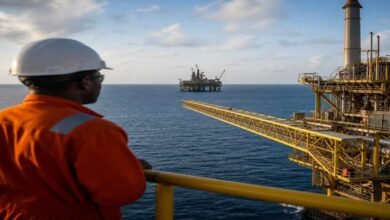
The North Sea has long been a crucible for maritime innovation and energy production, and recently, the region’s offshore vessel rates have surged to unprecedented levels. This remarkable upswing signals a robust recovery and transformative period for the maritime support sector, driven by a confluence of renewed oil and gas activity and the burgeoning demands of the offshore wind industry. Vessel owners and operators are now experiencing a golden age, with day rates climbing to heights not seen in years, reshaping the economic landscape for specialized shipping services in this vital European basin.
This boom in charter rates is not merely a cyclical rebound; it reflects fundamental shifts in global energy priorities and a tightening supply-demand balance for high-specification vessels. The implications are profound, offering significant opportunities for those in the offshore maritime industry while also presenting challenges related to capacity, crewing, and long-term strategic planning. Understanding the dynamics behind these record-breaking rates is crucial for anyone involved in offshore energy and marine operations.
Understanding the Surge in North Sea Offshore Vessel Rates
The dramatic increase in North Sea offshore vessel rates can be attributed primarily to a significant imbalance between the available fleet and the escalating demand for marine support services. Following a protracted downturn earlier in the decade, many older or less efficient vessels were scrapped or repurposed, leading to a leaner, more focused fleet. This reduction in overall capacity meant that when demand eventually picked up, the market quickly tightened, creating upward pressure on prices for high-quality, operational ships.
Simultaneously, the global energy landscape underwent a dramatic shift. Energy security concerns, exacerbated by geopolitical events, spurred renewed investment in domestic oil and gas production, particularly in established regions like the North Sea. This invigorated traditional drilling and maintenance campaigns, requiring a consistent supply of platform supply vessels (PSVs), anchor handling tug supply (AHTS) vessels, and other specialized craft. The sudden surge in demand caught many by surprise, as the pace of new offshore projects and maintenance work accelerated.
Moreover, the rapid expansion of offshore wind farm development across the North Sea has introduced an entirely new, highly specialized segment of demand. Construction support vessels (CSVs), service operation vessels (SOVs), and heavy-lift installation vessels are now crucial for erecting and maintaining colossal wind turbines. This dual demand from both conventional energy and renewable energy sectors has created an unprecedented strain on the existing fleet, pushing daily charter rates to exceptional highs and solidifying the profitability of offshore shipping operations.
Key Drivers: Oil, Gas, and the Green Energy Transition
The twin engines powering the current surge in offshore vessel demand are the revitalization of the oil and gas sector and the relentless march of the green energy transition. The oil and gas industry, having weathered years of low commodity prices and investor skepticism, is now seeing a resurgence. Elevated crude oil and natural gas prices have made new exploration and production projects economically viable once again, leading to increased capital expenditure from energy majors. This includes reactivating drilling rigs, undertaking extensive maintenance programs for existing infrastructure, and pursuing brownfield expansions, all of which require a robust fleet of offshore support vessels.
Operators are eager to maximize production from mature fields and explore new prospects, driven by global energy demand and the need for a stable energy supply. This translates directly into a greater need for PSVs to transport supplies and personnel to platforms, and for AHTS vessels to manage rig movements and anchor deployments. The inherent complexity and harsh environmental conditions of the North Sea further necessitate high-specification, well-maintained vessels, contributing to their premium valuation.
Concurrently, the North Sea has emerged as a global hub for offshore wind energy. Governments and private investors are pouring billions into developing vast wind farms, aiming to meet ambitious renewable energy targets. The construction phase of these projects is incredibly vessel-intensive, requiring a diverse array of ships for foundation installation, turbine erection, cable laying, and subsequent operational maintenance. This sustained, long-term demand from the renewable energy sector provides a robust baseline for offshore vessel utilization, guaranteeing a future market for specialized marine services well beyond the current oil and gas cycle. The convergence of these powerful forces creates a highly competitive environment for securing essential maritime support.
Types of Offshore Vessels Benefiting from High Day Rates
Virtually all segments of the North Sea offshore fleet are experiencing elevated day rates, but certain vessel types are particularly benefiting from the current market dynamics. Platform Supply Vessels (PSVs) are seeing substantial gains. These versatile workhorses are essential for the logistical lifeline of offshore operations, transporting drilling mud, fuel, water, chemicals, and general cargo to offshore rigs and platforms. Their role in sustaining ongoing operations makes them indispensable, and with increased activity, their utilization rates have soared, directly impacting their charter costs.
Anchor Handling Tug Supply (AHTS) vessels are another class achieving unprecedented returns. These powerful ships are critical for towing drilling rigs, moving anchors for semi-submersible platforms, and performing other heavy-duty tasks that require significant bollard pull. The resurgence in drilling and rig repositioning campaigns, coupled with the specialized demands of offshore wind farm installation, has pushed AHTS vessel rates to exceptional levels. Their unique capabilities and limited supply contribute to their premium pricing in this tight market.
Beyond PSVs and AHTS vessels, specialized vessels such as Construction Support Vessels (CSVs), Dive Support Vessels (DSVs), and Service Operation Vessels (SOVs) are also commanding high rates. CSVs are vital for subsea construction and inspection, while DSVs support saturation diving operations for maintenance and repair. SOVs, specifically designed for offshore wind farm maintenance, provide accommodation and logistical support for technicians. The high-tech nature and operational complexity of these vessels further justify their elevated day rates, ensuring that specialized offshore shipping services remain highly sought after across the North Sea energy landscape.
Economic Impact and Future Outlook for North Sea Operators
The unprecedented day rates for North Sea offshore vessels are translating directly into substantial economic benefits for vessel owners and operators. Increased profitability is allowing companies to strengthen their balance sheets, reduce debt, and invest in fleet modernization and technological upgrades. This financial stability is crucial for a sector that has historically been cyclical and capital-intensive. The improved earnings provide a much-needed buffer against future market fluctuations and enable strategic long-term planning.
Looking ahead, the outlook for offshore vessel operators in the North Sea appears positive and stable. While the extreme peaks might normalize slightly, underlying demand drivers suggest that rates will remain strong for the foreseeable future. The sustained investment in offshore wind, with numerous projects in various stages of development and operation, guarantees a consistent baseline demand. Furthermore, the strategic importance of domestic oil and gas production for energy security means that traditional activities are unlikely to vanish entirely, providing a dual revenue stream for many operators.
Challenges, however, persist. Crewing remains a significant concern, with a shortage of skilled maritime professionals capable of operating these complex vessels. Inflationary pressures on operating costs, including fuel, spare parts, and maintenance, could also temper profit margins. Additionally, regulatory frameworks, particularly concerning environmental standards and emissions, are becoming more stringent, requiring continuous investment in greener technologies and operational practices. Navigating these complexities while capitalizing on the strong market conditions will be key to sustained success in the North Sea offshore market.
Navigating the Competitive North Sea Offshore Market
Operating successfully in the highly competitive North Sea offshore market requires more than just owning a fleet; it demands strategic acumen, operational excellence, and a commitment to innovation. Operators are increasingly focusing on technology adoption to enhance efficiency, reduce fuel consumption, and improve safety standards. Advanced digitalization, remote monitoring capabilities, and hybrid propulsion systems are becoming standard, allowing vessels to operate more effectively and meet stringent environmental regulations. Investing in such technologies is not just about compliance but also about maintaining a competitive edge in a demanding environment.
Strategic partnerships and collaborations are also vital. Many large-scale offshore wind projects, for example, require a consortium of specialized service providers. Forming alliances allows operators to pool resources, share expertise, and offer integrated solutions that are more attractive to major energy developers. This collaborative approach can mitigate risks, optimize logistics, and secure long-term contracts, providing greater stability in a market prone to fluctuations.
The human element remains paramount. The shortage of skilled maritime personnel, from captains and engineers to specialized technicians, necessitates robust training and retention programs. Companies that invest in developing their workforce, offering attractive career paths and opportunities for professional growth, will be better positioned to meet the demands of the expanding North Sea market. Innovation in operational practices, combined with a highly skilled and motivated workforce, will be crucial for maintaining the efficiency and safety standards required in this challenging yet lucrative sector.
The unprecedented rates currently commanded by offshore vessels in the North Sea underscore a pivotal moment for the maritime and energy industries. Driven by a powerful combination of renewed oil and gas activity and the burgeoning offshore wind sector, the demand for specialized marine support services has never been higher. This boom presents significant opportunities for vessel owners and operators, fostering a period of strong profitability and investment. While challenges such as crewing and operational costs remain, the long-term outlook appears robust, positioning the North Sea as a key arena for energy production and maritime innovation for years to come. Staying agile, innovative, and committed to sustainable practices will be essential for those looking to thrive in this dynamic offshore market.