Maersk Suspends Ukraine Chornomorsk Feeder Service | Mariner News
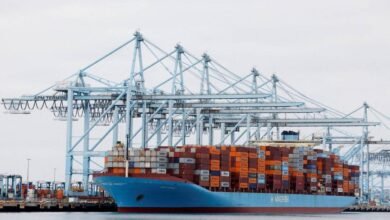
Maersk, a global leader in container shipping, has announced the temporary suspension of its feeder service to Ukraine’s Chornomorsk port, a critical decision that sends ripples through the entire Black Sea region’s maritime logistics network. This strategic withdrawal directly follows intensified attacks by Russia on key Ukrainian port infrastructure, creating an environment of significant operational risk for shipping lines and their crews. The decision by Maersk to cease operations through the Chornomorsk Fishing Port, as confirmed in a company statement cited by Bloomberg News, underscores the severe challenges faced by international shipping amidst ongoing conflict. This move by such a prominent player like Maersk highlights the escalating security concerns that are increasingly dictating global trade routes and container shipping strategies in volatile areas. While Maersk attributed the halt to the ‘current situation’ impacting operations without detailing specific circumstances, the context provided by Bloomberg notes Russia’s repeated assaults on Ukraine’s port infrastructure throughout the war, making the implications abundantly clear for Ukraine port operations.
The suspension of the Maersk Chornomorsk service immediately raises questions about the continuity of supply chains and the economic implications for Ukraine, a nation heavily reliant on its maritime gateways for international trade. This development forces a significant readjustment for businesses that depend on reliable feeder services for their import and export needs, emphasizing the fragility of logistics networks when confronted with geopolitical instability. The incident serves as a stark reminder of how military actions can swiftly disrupt established trade pathways, compelling shipping giants to prioritize the safety of their assets and personnel above all else. The rerouting of import cargo initially bound for Chornomorsk to Constanta in Romania is a testament to the urgent need for adaptable solutions in crisis situations, reflecting the inherent complexities of maintaining global maritime transport in the face of conflict.
The Rationale Behind Maersk’s Suspension of Ukraine Feeder Services
Maersk’s decision to halt its Chornomorsk feeder service is rooted in the practical realities and heightened risks associated with operating in a war zone. The ‘current situation’ referenced by the company directly correlates with Russia’s sustained military actions targeting Ukrainian port facilities, which have become a dangerous flashpoint in the ongoing conflict. These assaults pose an unacceptable threat to the safety of vessels, cargo, and crew members, compelling shipping companies to reassess the viability of their routes. For an enterprise of Maersk’s scale, the potential for damage to multimillion-dollar vessels, cargo losses, and, most importantly, human casualties, far outweighs the benefits of continuing operations in such high-risk environments. The imperative to protect lives and maintain the integrity of their global shipping network is paramount, making such a drastic measure inevitable. This suspension reflects a broader industry trend where major shipping lines are forced to make difficult choices to mitigate risks associated with geopolitical conflicts.
Operating a container feeder service in a region under active bombardment presents a myriad of logistical and insurance challenges. Insurance premiums soar, and the availability of coverage for war-risk zones becomes constrained, significantly increasing the operational costs and financial exposure for carriers. Furthermore, the unpredictable nature of attacks makes scheduling and turnaround times unreliable, leading to delays and disruptions across the broader supply chain. Such uncertainty can quickly erode efficiency and customer confidence. By suspending the Ukraine feeder service, Maersk aims to safeguard its assets and personnel while providing clear alternatives for its clientele, demonstrating a proactive approach to managing unparalleled risks in a dynamic conflict zone. This strategic withdrawal ensures that future cargo movements are directed through safer, more stable channels, mitigating potential losses for all parties involved in the maritime logistics process.
Immediate Impact on Ukraine’s Maritime Logistics and Trade Routes
The suspension of Maersk’s feeder service to Chornomorsk port carries profound immediate consequences for Ukraine’s maritime logistics and its vital trade arteries. Chornomorsk is one of Ukraine’s largest ports and a crucial gateway for its agricultural and industrial exports, as well as a significant entry point for imported goods. The cessation of a major carrier like Maersk from this port directly translates into reduced capacity and increased pressure on alternative logistical channels. For Ukrainian businesses, this means longer transit times, potentially higher shipping costs, and a more complex process for getting their products to international markets or receiving essential imports. The disruption of established Black Sea shipping patterns can have a cascading effect, slowing down economic activity and impacting various sectors from agriculture to manufacturing. This underscores the critical role that efficient container logistics plays in national economies, especially during times of crisis.
This decision further isolates Ukraine’s direct access to global maritime trade, forcing a greater reliance on overland routes or more distant, less efficient port options. The port of Chornomorsk, once a bustling hub, faces a significant downturn in activity, impacting local employment and associated services. Importers and exporters who relied on Maersk’s direct connections will now need to quickly adapt their strategies, exploring other carriers or entirely different shipping methods. This not only adds to the operational burden but also increases the risk of delays and complications for time-sensitive cargo. The ongoing targeting of port infrastructure in Ukraine by Russian forces continues to undermine the nation’s economic stability, making the reliable flow of goods through its traditional trade routes increasingly precarious. The search for resilient logistics solutions becomes paramount for Ukraine’s economic survival and its ability to maintain crucial international links.
Rerouting Strategies and Customer Options: The Constanta Hub
In response to the Chornomorsk port suspension, Maersk has swiftly implemented rerouting strategies designed to minimize disruption for its customers. A key component of this plan involves diverting import cargo originally destined for Chornomorsk to the port of Constanta in Romania. Constanta, situated on the western coast of the Black Sea, serves as a vital alternative hub, capable of handling significant volumes of container traffic. This strategic pivot leverages Constanta’s existing infrastructure and its relatively stable geopolitical environment, offering a safer and more reliable entry point for goods bound for the broader region. While this rerouting ensures continuity of service, it inevitably introduces additional logistical steps, potentially including onward transportation by rail or road from Constanta into Ukraine or other destinations, which can add to both transit times and costs for cargo rerouting.
For export customers previously utilizing Chornomorsk, Maersk has provided flexible options to manage their bookings. These customers can choose to cancel their existing bookings at no additional charge, offering a pathway out of immediate logistical challenges. Alternatively, they have the option to change their port of loading from Chornomorsk to Constanta, also without incurring extra costs. This flexibility aims to support businesses in adapting to the sudden change in maritime operations and mitigate financial penalties for unforeseen circumstances. The shift to Constanta underscores the port’s growing importance as a regional gateway for Black Sea shipping, especially as conflict in Ukraine continues to destabilize traditional container logistics pathways. Such agile responses are crucial for global carriers to maintain client relationships and navigate the complexities of international trade in dynamic political landscapes.
Broader Implications for Black Sea Shipping and Global Supply Chains
The suspension of Maersk’s feeder service to Ukraine’s Chornomorsk port has far-reaching implications that extend beyond immediate operational adjustments, impacting the entire landscape of Black Sea shipping and, by extension, elements of global supply chains. Maersk’s decision, driven by security concerns, sends a powerful signal to other shipping companies and stakeholders about the extreme risks associated with operating in the region. This could lead to a broader reduction in available shipping services, an increase in freight rates due to heightened risk premiums and longer routes, and a general shift away from Ukrainian ports for the foreseeable future. The reduced predictability and increased danger in the Black Sea create a ripple effect, making trade in the region more complex and costly for all participants, thereby impacting maritime trade Ukraine directly.
Furthermore, the ongoing instability and targeting of port infrastructure in Ukraine force a reevaluation of the resilience of global logistics networks. Companies are compelled to diversify their supply routes and consider alternative sourcing strategies to mitigate future disruptions. The reliance on hubs like Constanta becomes more pronounced, potentially leading to congestion and increased demand at these alternative ports. This situation highlights the vulnerability of highly interconnected global trade systems to localized conflicts and underscores the need for robust contingency planning by international logistics providers. The long-term consequences could include a permanent alteration of Black Sea trade patterns, with a stronger emphasis on land-based corridors or a reorientation towards less volatile trade routes within Europe, impacting not just Ukrainian export and import operations but regional economic dynamics as a whole.
The Future of Maritime Trade in Conflict Zones: Navigating Uncertainty
Maersk’s decision regarding the Chornomorsk service suspension is a critical case study in the evolving challenges of maritime trade in conflict-affected zones. The incident underscores a growing trend where geopolitical tensions directly dictate the feasibility and safety of global shipping operations. As conflicts persist or emerge in strategic maritime regions, shipping lines face an unprecedented need for adaptability, foresight, and robust risk management strategies. The immediate future for Ukraine port operations remains highly uncertain, contingent on geopolitical developments and the cessation of hostilities. Until a stable and secure environment is re-established, major carriers will likely continue to adopt cautious approaches, prioritizing safety and operational integrity over direct market access.
Looking ahead, the incident at Chornomorsk may prompt broader discussions within the international maritime community about establishing safer corridors or alternative frameworks for trade in high-risk areas. The long-term resilience of global supply chains will increasingly depend on the ability of logistics providers to not only reroute cargo effectively but also to anticipate and mitigate the impacts of geopolitical instability. This requires enhanced intelligence gathering, flexible contractual agreements, and strong partnerships with regional hubs like Constanta. The lessons learned from the Maersk Chornomorsk service suspension will undoubtedly influence future strategies for container shipping and maritime transport in an increasingly complex and unpredictable world, reinforcing the imperative for proactive management in the face of persistent global challenges.