Maersk Embraces Ethanol as Key Alternative Fuel | Mariner News
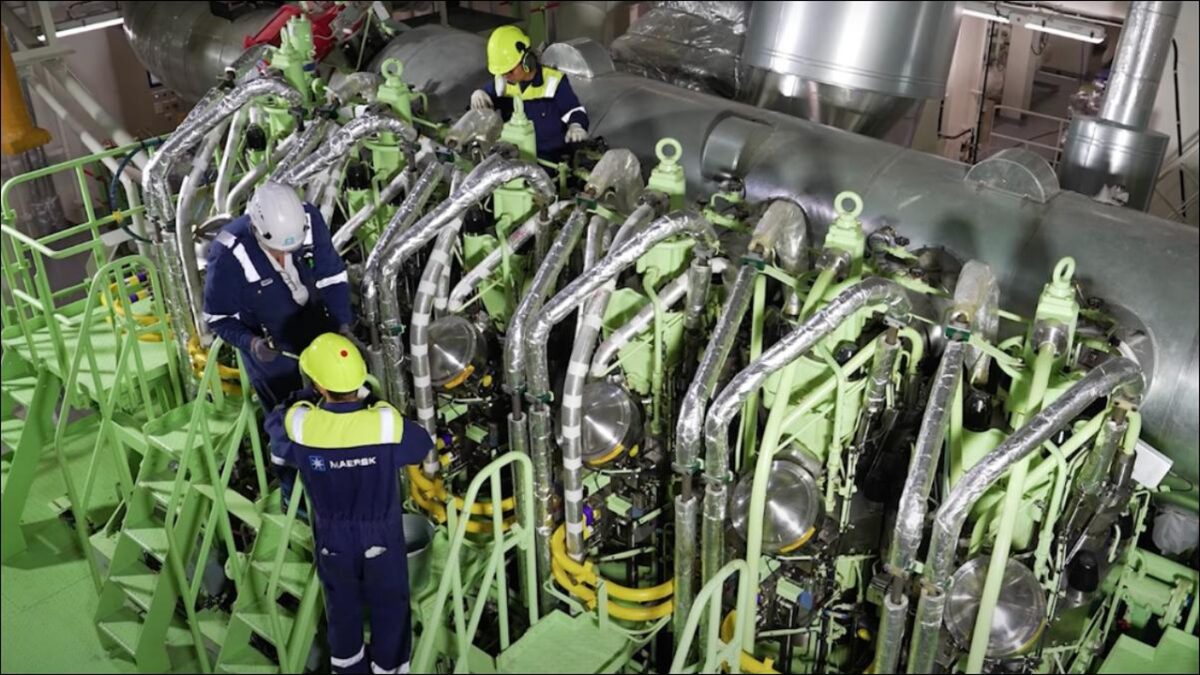
Maersk, a global leader in container shipping, is increasingly viewing ethanol as a crucial alternative fuel to supplement its ambitious green methanol strategy. The shipping giant acknowledges the current challenges in securing sufficient supplies of green methanol, which has spurred an intensified focus on other viable clean energy solutions. This strategic shift underscores the maritime industry’s urgent need for diverse and sustainable fuel pathways to achieve its ambitious decarbonization goals. Ethanol, with its similar chemical properties and growing availability, presents an attractive and practical option for vessels initially designed to run on methanol, offering a significant step forward in reducing the carbon footprint of global trade. The proactive exploration of ethanol demonstrates Maersk’s commitment to accelerating the transition to greener shipping operations, ensuring its fleet, including pioneering vessels like the Laura Maersk, can maintain operational efficiency while minimizing environmental impact.
The Green Methanol Supply Challenge for Shipping
The maritime sector faces a formidable challenge in decarbonization, with green methanol emerging as a frontrunner among alternative fuels. However, the current reality reveals a significant supply-side constraint for this promising fuel. The production of green methanol, derived from renewable sources such as sustainable biomass or captured carbon, is still in its nascent stages and cannot yet meet the burgeoning demand from shipping companies like Maersk that have invested heavily in methanol-enabled vessels. This scarcity creates a bottleneck, potentially hindering the rapid scale-up of sustainable shipping initiatives and delaying the industry’s progress towards net-zero emissions. The lack of robust infrastructure for green methanol bunkering globally further complicates its widespread adoption, prompting vessel operators to explore supplementary green fuel options to bridge the immediate supply gap.
Developing a resilient supply chain for green fuels requires substantial investment in production facilities, logistics, and distribution networks. Until these systems are fully mature, companies like Maersk must remain agile and open to incorporating other low-carbon or carbon-neutral fuels. The focus on diversifying fuel sources is not merely a contingency plan but a strategic imperative, ensuring that the transition away from conventional bunker fuels remains on track despite initial hurdles. This pragmatic approach safeguards against potential delays in decarbonization efforts and maintains the momentum towards a cleaner, more sustainable maritime transport system.
Ethanol’s Emergence as a Viable Maritime Fuel Alternative
Ethanol, often recognized for its role in road transport biofuels, is now gaining serious traction as a viable alternative fuel for maritime applications, particularly for methanol-ready vessels. Its chemical composition allows it to be used in engines designed for methanol with minimal or no modifications, making it a highly attractive option for shipping companies already committed to methanol dual-fuel technology. This compatibility significantly reduces the barriers to entry for adopting ethanol, accelerating its integration into the existing green fleet. The global production capacity for ethanol, primarily from agricultural feedstocks, is considerably more developed than that for green methanol, offering a more immediate and scalable supply solution. This abundance provides a welcome relief valve for shipping lines grappling with green methanol shortages.
Beyond its accessibility, ethanol offers a compelling environmental profile when produced sustainably. Bioethanol, derived from renewable biomass, can achieve significant reductions in greenhouse gas emissions compared to traditional fossil fuels. This makes it a powerful tool in the arsenal for maritime decarbonization. As the industry strives to meet stringent emission reduction targets set by international bodies, incorporating renewable ethanol into the fuel mix can play a critical role. Moreover, continued advancements in sustainable ethanol production, including cellulosic ethanol from waste materials, promise even greater environmental benefits and a more robust, diversified supply chain for future green fuels. The flexibility offered by ethanol enhances operational resilience and supports the ongoing commitment to sustainable shipping practices across the globe.
Maersk’s Strategic Fuel Diversification for Sustainable Shipping
Maersk’s proactive embrace of ethanol as a complementary alternative fuel underscores a strategic pivot towards fuel diversification, critical for long-term sustainable shipping. Recognizing that relying solely on green methanol might pose risks due to supply volatility, Maersk is building a robust fuel strategy that leverages multiple clean energy sources. This approach ensures greater flexibility and resilience in its operations, allowing the company to adapt to evolving market dynamics and fuel availability challenges. The decision reflects a pragmatic understanding that achieving net-zero emissions requires an array of solutions, not just a singular focus. By integrating ethanol, Maersk can optimize its vessel utilization and maintain its ambitious schedule for decarbonizing its extensive container fleet.
The shipping giant is also actively involved in developing the necessary infrastructure and partnerships to support this diversified fuel strategy. This includes collaborating with fuel producers, technology providers, and port authorities to establish reliable bunkering facilities for both methanol and ethanol. Such investments are vital for de-risking the transition to green fuels and creating a viable ecosystem for sustainable maritime transport. Maersk’s leadership in this area serves as a blueprint for other shipping companies, demonstrating how to navigate the complexities of fuel transition through innovation and strategic foresight. This comprehensive approach reinforces Maersk’s commitment to a greener future for global trade, setting new benchmarks for environmental responsibility within the industry.
Broader Industry Implications and the Green Fuel Transition
Maersk’s embrace of ethanol as an alternative fuel carries significant implications for the broader maritime industry. Its pioneering efforts will likely encourage other shipping companies and vessel operators to explore similar fuel diversification strategies. As more major players validate ethanol’s potential, it could spur increased investment in its production and distribution for marine use, creating a stronger supply chain and driving down costs. This collective movement towards a broader portfolio of green fuels is essential for accelerating the industry’s overall decarbonization journey. The regulatory landscape, including initiatives from the International Maritime Organization (IMO) and regional bodies, is increasingly pushing for emission reductions, making the adoption of such diverse fuel pathways a necessity rather than an option.
The transition to green fuels is not without its challenges, including the need for new engine technologies, bunkering infrastructure, and robust safety protocols. However, the collaborative spirit fostered by leading companies like Maersk helps to overcome these hurdles. Knowledge sharing, joint ventures, and policy advocacy are all crucial components of a successful industry-wide shift. Furthermore, the increasing pressure from cargo owners and consumers for more sustainable supply chains is a powerful motivator, driving shipping lines to invest in cleaner operations. Ethanol’s role as a readily available and technically compatible option could significantly ease this transition, providing a practical stepping stone while longer-term, more complex green fuel solutions mature. The pathway to sustainable shipping is multifaceted, and ethanol represents a crucial, timely component of this evolving energy mosaic.
Economic and Environmental Considerations of Ethanol as a Maritime Fuel
Evaluating ethanol as a maritime fuel involves a careful balance of economic viability and environmental benefits. From an economic perspective, the current global production capacity of ethanol means it can often be more cost-competitive than nascent green methanol supplies, offering a more stable pricing outlook. This affordability is a key factor for shipping companies operating on thin margins, enabling them to invest in green technologies without undue financial burden. Furthermore, the existing infrastructure for ethanol production and transportation, albeit primarily for road fuels, provides a foundation that can be adapted and scaled for marine applications more rapidly than building entirely new supply chains for other emerging green fuels. The reduced need for extensive new infrastructure can translate into lower capital expenditure and quicker implementation for sustainable initiatives.
Environmentally, sustainably produced ethanol offers significant advantages in reducing greenhouse gas emissions and improving air quality. When derived from renewable biomass, its lifecycle emissions can be substantially lower than those of fossil fuels. As a clean-burning fuel, ethanol also produces fewer particulate matter and sulfur oxide emissions, contributing to cleaner air in port cities and along shipping routes. While the exact emission reduction potential depends on the feedstock and production process, certified sustainable ethanol provides a verifiable pathway to decarbonization. The ongoing research into advanced ethanol production technologies, such as those utilizing waste gases or agricultural residues, promises to further enhance its environmental credentials and expand its supply base, solidifying its position as a critical component in the maritime industry’s drive towards a truly sustainable future. The ability to utilize existing assets and infrastructure with ethanol helps accelerate the transition, offering both economic prudence and environmental progress.
The Path Forward for Sustainable Shipping and Future Fuels
Maersk’s proactive stance on incorporating ethanol into its fuel strategy highlights a crucial lesson for the entire maritime sector: a diversified approach to alternative fuels is paramount for achieving sustainable shipping. The journey to decarbonization is complex, marked by evolving technologies, fluctuating supply chains, and dynamic regulatory landscapes. Relying on a single fuel source, no matter how promising, introduces vulnerabilities. By embracing a multi-fuel strategy that includes both methanol and ethanol, Maersk is creating a resilient and adaptable pathway forward. This strategy acknowledges that different vessels, routes, and operational requirements may necessitate different fuel solutions, fostering greater flexibility across its global network. This integrated approach ensures that the company can continue to lead in sustainability while maintaining operational excellence and meeting customer demands for greener logistics solutions.
The future of maritime fuels will undoubtedly involve a portfolio of options, including green methanol, sustainable ethanol, ammonia, hydrogen, and potentially other novel energy carriers. The industry’s success will hinge on continuous innovation, strategic partnerships, and a collective commitment to investing in the research, development, and scaling of these technologies. Maersk’s decision to supplement green methanol with ethanol is not merely a short-term fix but a strategic decision that underscores the importance of pragmatic, scalable solutions in the immediate term while long-term breakthroughs mature. This forward-thinking approach provides a clear roadmap for other shipping companies seeking to navigate the complex waters of decarbonization, ensuring that global trade can continue to thrive responsibly and sustainably for generations to come.