EU Sanctions on Shadow Fleet: Will They Lift? | Mariner News
The global maritime industry faces a significant geopolitical dilemma concerning EU sanctions shadow fleet operations. The United States intends to lift comprehensive sanctions against Iran, including UN Security Council measures. However, the European Union has declined discussions on lifting its own sanctions, particularly those targeting the “shadow fleet.” This transatlantic divergence creates considerable uncertainty for shipping companies, insurers, and commodity traders, forcing them to navigate a fragmented regulatory landscape. The maritime sector, crucial for global energy and trade, watches as key players weigh strategic interests. The question of whether the EU will follow Washington’s lead or maintain its robust stance against these elusive vessels remains critical.
Diverging Paths: US Sanctions Relief vs. EU Stance on Iran
The current geopolitical climate presents a stark contrast in diplomatic approaches between the United States and the European Union regarding Iran and entities supporting its illicit trade. The US administration’s announcement to lift comprehensive sanctions against Iran signals a significant shift, potentially easing relations and allowing Iran’s reintegration into the global economy, particularly its oil export markets. This decision may represent a strategic re-evaluation, aiming to de-escalate regional tensions and re-engage with Tehran on various international fronts, potentially leading to increased legitimate trade flows.
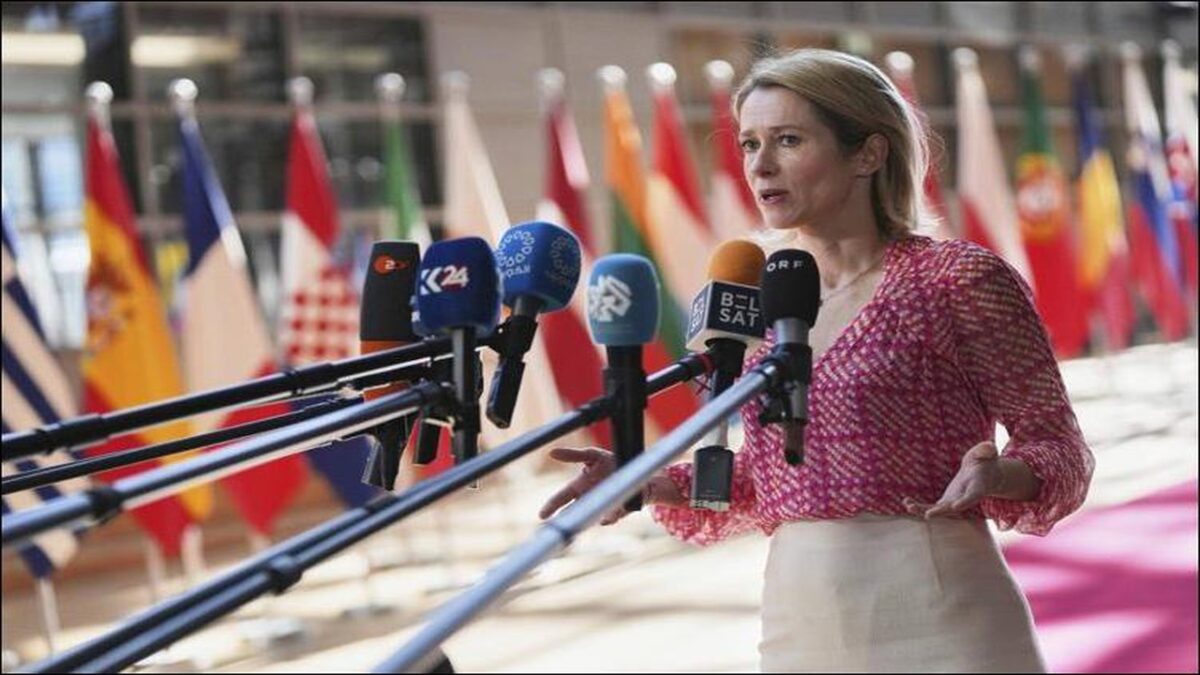
However, the EU’s position stands distinct. Despite the US initiative, European officials have explicitly declined to comment on or commit to a similar lifting of their own sanctions against the shadow fleet until a later, unspecified date. This hesitancy highlights fundamental differences in strategic priorities and risk assessment. Anders Amstrup Fournais, a partner and attorney at Hafnia Law, expressed skepticism, stating, “It’s completely bizarre,” believing the EU is unlikely to mirror the US example. This divergence complicates international commerce, creating dual compliance obligations for maritime operators depending on their operational jurisdiction and cargo. Ramifications for chartering, insurance, and trade finance are substantial, requiring constant vigilance.
Defining the “Shadow Fleet”: Risks and Market Impact
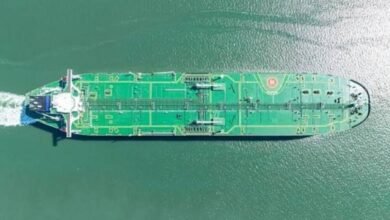
The “shadow fleet” is synonymous with a clandestine network of aging, often poorly maintained vessels operating outside conventional regulatory oversight. These ships, predominantly oil tankers, facilitate illicit transportation of crude oil and petroleum products from sanctioned countries like Iran and Venezuela. They employ deceptive practices including disabling AIS transponders, ship-to-ship transfers, falsifying documentation, and frequently changing flags or ownership. This opaque operation allows sanctioned entities to bypass international restrictions, generating revenue that often funds controversial regimes, undermining global maritime governance.
The proliferation of the shadow fleet poses significant risks to the global maritime industry and environmental safety. These vessels often operate without proper insurance, using substandard equipment and unqualified crews, leading to heightened risks of accidents, spills, and environmental disasters. The financial burden, without legitimate insurance, often falls on coastal states or the international community. Moreover, their operations distort global shipping markets, creating an uneven playing field for legitimate operators adhering to stringent international safety and environmental regulations. Increased tonnage from these unsanctioned vessels can also impact freight rates and vessel availability, complicating the commercial landscape.
Beyond environmental and commercial concerns, the shadow fleet directly challenges international sanctions regimes. By enabling sanctioned states to export vital resources, these vessels undermine diplomatic and economic pressure. Their continued operation highlights persistent enforcement challenges in the vast global shipping network. Thus, any EU decision on these sanctions carries not only economic weight but significant implications for international law enforcement and global energy supply chain stability.
Legal Labyrinths and Economic Disruptions for Maritime Stakeholders
The divergence between US and EU policy on shadow fleet sanctions creates a labyrinth of legal and economic challenges for maritime stakeholders. Shipping companies, charterers, insurers, and financial institutions face increased compliance complexity. They must meticulously scrutinize every transaction, vessel, and party to ensure adherence to both US regulations, often with extraterritorial reach, and specific EU sanctions targeting entities linked to Iran’s oil trade. Non-compliance results in severe penalties, including fines, reputational damage, and exclusion from vital financial markets. Advanced due diligence and robust internal compliance teams are essential.
Hafnia Law underscores the gravity of the situation. Anders Amstrup Fournais’s belief that the EU is unlikely to follow the US indicates the industry cannot assume broad relaxation of rules. Instead, it must prepare for EU sanctions to remain firm, even as the US eases its own. This means vessels trading with Iran, though US-compliant post-lifting, could still face restrictions under EU law if linked to the shadow fleet or engaged in illicit activities by Brussels. Such a fragmented legal environment burdens shipowners and operators, who must contend with conflicting legal requirements and ensure global operations avoid breaching one regime while complying with another.
Economically, continued EU sanctions on the shadow fleet will likely perpetuate market distortions. Clandestine operations mean a portion of global oil trade will flow through opaque channels, impacting legitimate tanker markets. While a Tanker CEO noted on an Iran-US deal that “We believe the dominant effect will be increased trade rather than increased tonnage,” this assumes full normalization. If the EU maintains sanctions, the dual market for compliant and non-compliant shipping will persist. This affects freight rates, insurance premiums, and access to finance for higher-risk vessels, contributing to an inefficient global supply chain.
EU’s Resolve: Strategic Interests and Future Sanctions Landscape
The European Union’s decision to maintain sanctions against the shadow fleet, independent of US actions, is deeply rooted in its distinct strategic interests and commitment to legal precedents. Unlike the US, the EU often prioritizes multilateralism, stability, and international law among its member states. The shadow fleet directly challenges maritime safety, environmental protection, and the rule of law – principles the EU strongly upholds. Thus, continuing sanctions is a necessary measure to uphold these fundamental values and deter future illicit activities.
Furthermore, the EU’s energy security concerns and broader geopolitical objectives may diverge from those of the US. While US sanctions lifting on Iran might aim for de-escalation, the EU could perceive the shadow fleet as a persistent threat to global maritime governance and the integrity of the international financial system. Revenue from these illicit operations could fund activities contrary to European interests. By holding firm, the EU asserts its independent foreign policy, demonstrating resolve to enforce international norms and ensure its sanctions remain an effective tool for achieving its specific strategic objectives.
Looking ahead, the future of maritime sanctions against the shadow fleet remains a critical point of uncertainty for the global shipping industry. This divergence necessitates a robust approach to compliance and risk management for all maritime stakeholders. The industry must prepare for a prolonged period of regulatory complexity, where nuanced legal interpretations and geopolitical shifts constantly redefine the operational landscape. Navigating these waters will require not just legal expertise but also a profound understanding of evolving international relations and a steadfast commitment to upholding responsible shipping practices in a fragmented global environment.