UK Sanctions Russia’s War, Targets Shadow Fleet | Mariner News
The United Kingdom has unleashed a formidable new package of sanctions against Russia’s war efforts, signaling a resolute commitment to disrupt the illicit financial and logistical arteries fueling the conflict in Ukraine. This decisive action, announced amidst the crucial G7 Summit, represents a significant escalation in global efforts to choke off Moscow’s military capabilities by directly targeting its shadow fleet, clandestine procurement routes, and sophisticated illicit finance networks designed to circumvent Western sanctions. These stringent measures aim to sever the critical supply lines that have sustained Russia’s aggression, demonstrating the international community’s unwavering resolve to hold perpetrators accountable and restore peace. The comprehensive nature of this latest clampdown underscores a strategic pivot towards more aggressive enforcement mechanisms, impacting maritime operations and the global shipping industry. The emphasis on dismantling these murky operations highlights a concerted push to increase transparency and accountability within international trade. As the conflict in Ukraine continues to exact a heavy toll, the UK’s proactive stance is poised to create substantial ripple effects across the global economic and maritime landscape. This robust response highlights the severe consequences for nations engaging in illegal conflict, particularly when leveraging complex illicit networks for support.
Escalating Pressure on Russia’s War Machine
The recent UK sanctions package marks a critical juncture in the international response to Russia’s illegal invasion of Ukraine. With 70 new designations, the measures are strategically designed to intensify pressure on Moscow’s beleaguered war machine, hitting crucial nodes across multiple fronts. This concerted effort is a direct result of discussions at the G7 Summit, where allied nations reaffirmed their unified commitment to supporting Ukraine and dismantling Russia’s capacity to wage war. The targets include entities and individuals involved in Russia’s military procurement supply chains and those facilitating the movement of prohibited goods. By tightening the economic noose, the UK aims to deplete Russia’s resources, making it increasingly difficult to acquire essential components for its military apparatus. These actions reflect a robust diplomatic and economic offensive, demonstrating that the global community will not tolerate egregious violations of international law. The relentless pursuit of those aiding and abetting the aggression signifies a long-term strategy to undermine the Kremlin’s illicit operations and ultimately secure lasting peace.
The timing of this announcement is particularly poignant, following a series of abhorrent attacks by Russia against Ukrainian civilians and cherished cultural sites. Such barbaric acts only strengthen the resolve of the UK and its allies to accelerate economic attrition against Russia. The cumulative effect of these Western sanctions is designed to cripple Russia’s industrial base and its ability to sustain prolonged military operations. Over the course of 2026 alone, the UK has now sanctioned nearly 500 individuals, entities, and ships under its robust Russia sanctions regime, illustrating an unprecedented level of punitive action. This aggressive posture sends an unequivocal message: the economic costs of Russia’s aggression will continue to mount, isolating the Kremlin further on the global stage. The collaborative spirit among G7 nations ensures a coordinated approach, maximizing the impact of each member’s sanctions and closing potential loopholes that Russia might exploit.
Dismantling Russia’s Shadow Fleet and Illicit Maritime Operations
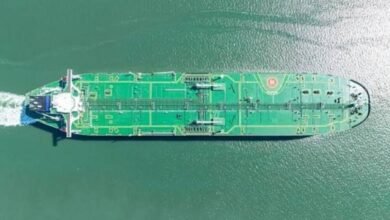
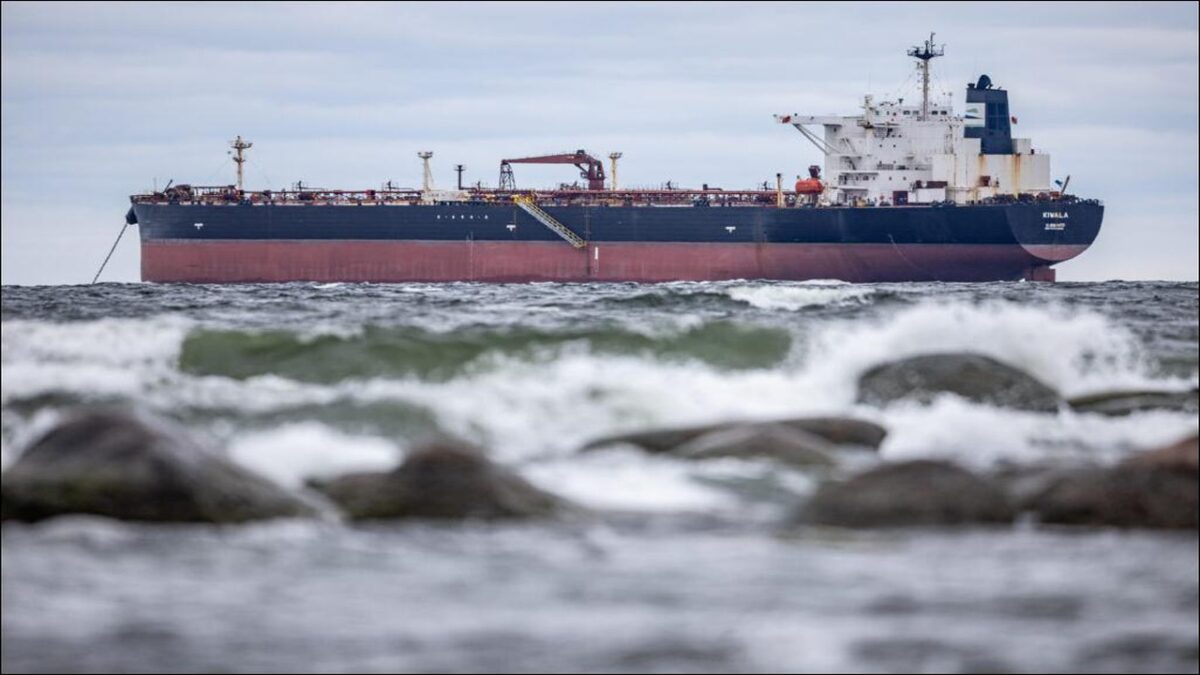
A cornerstone of the new UK sanctions is the direct assault on Russia’s notorious shadow fleet, a clandestine network of aging and often unsafe vessels used to transport illicit oil and other commodities while evading international scrutiny and price caps. More than 20 oil tankers have been specifically targeted with enhanced powers, introduced just last month, enabling more effective interception and disruption of these shadowy operations. This move is crucial because the shadow fleet has become a vital lifeline for Russia’s economy, generating revenue that directly fuels its war efforts. By exposing and penalizing these vessels and their operators, the UK aims to significantly impede Russia’s capacity to export crude oil and refined products, thereby diminishing a primary source of its national income. The decrepit nature of many of these vessels also poses considerable environmental and safety risks.
The ongoing operation of this illicit oil network not only undermines Western sanctions but also distorts global maritime trade and creates an uneven playing field for legitimate shipping industry participants. The UK’s targeted approach seeks to increase the financial and logistical burden on Russia’s energy sector by making it harder and more expensive to move its products. This strategy involves identifying and sanctioning facilitators, insurers, and other service providers who enable these circumvention schemes. The focus on oil tankers is particularly strategic, given their central role in Russia’s attempts to maintain its export revenues. This unprecedented clampdown signals a clear intent to leave no stone unturned in disrupting Russia’s financial lifelines, even those operating in the murky waters of international shipping. The global community is increasingly aware of the dangers posed by these unregulated fleets, from environmental disasters to funding illegal conflicts.
Choking Off Illicit Finance and Procurement Networks
Beyond the tangible assets of the shadow fleet, the UK sanctions package meticulously targets the sophisticated illicit finance networks that are indispensable to Russia’s war machine. These networks are adept at disguising financial transactions, laundering money, and facilitating the acquisition of critical military components through intricate shell companies and intermediaries across various jurisdictions. By identifying and sanctioning key players within these financial conduits, the UK aims to sever the flow of funds that enable Russia’s military procurement supply chains. This includes targeting individuals and entities that provide financial services, technological support, or logistical assistance, however indirect, to Russia’s defense industrial base. The goal is to make it exceedingly difficult and costly for Russia to source the advanced materials, electronics, and spare parts necessary to manufacture and maintain its weaponry.
The complexity of these illicit networks often involves multiple layers of deception, making them challenging to uncover and disrupt. However, the UK, in collaboration with its international partners, is continuously enhancing its intelligence capabilities to track and dismantle these shadowy operations. These finance networks are not only crucial for military procurement but also for helping Russian oligarchs and sanctioned entities move their wealth, effectively undermining the spirit and letter of existing sanctions. The new measures underscore a determined effort to plug these loopholes, ensuring that financial institutions and individuals worldwide exercise extreme caution and due diligence when dealing with entities that could be linked, even remotely, to Russia’s war efforts. This concerted global effort aims to dry up the financial resources that fuel the conflict, reinforcing the principle that complicity in aggression carries severe economic repercussions.
The Broader Impact on Global Shipping and Compliance
The intensified UK sanctions against Russia’s shadow fleet and associated illicit networks have profound implications for the wider shipping industry and global maritime trade. Shipowners, operators, insurers, and financial institutions are now facing an even greater imperative to strengthen their compliance frameworks and conduct exhaustive due diligence. The risk of inadvertently facilitating sanctioned activities or transacting with designated entities has escalated, carrying severe penalties that can include hefty fines, reputational damage, and even imprisonment. The increased targeting of oil tankers engaged in the illicit oil trade means that the origin and destination of cargo, along with the ownership and registration of vessels, must be scrutinized with unparalleled rigor. This shift demands a proactive approach to risk management, moving beyond superficial checks to deep dives into corporate structures and beneficial ownership.
Furthermore, these measures are designed to disrupt the financial and operational mechanisms that allow Russia to circumvent Western sanctions. This includes scrutinizing ship-to-ship transfers, changes in flag registry, and complex ownership arrangements often employed by the shadow fleet. The ripple effects extend to the insurance sector, as underwriters face heightened risks when dealing with vessels suspected of engaging in illicit activities, potentially increasing operating costs and limiting reach. Ultimately, the goal is to raise the cost of doing business for Russia’s illicit operations to an unsustainable level, pushing them out of legitimate markets and into riskier, more exposed ventures. This will contribute to a safer, more transparent global shipping environment for all compliant actors, reinforcing international maritime law.
International Cooperation and the Future of Sanctions Enforcement
The latest UK sanctions package is not an isolated effort but a pivotal component of a broader, coordinated international strategy to counter Russia’s aggression in Ukraine. The G7 Summit served as a vital platform for reinforcing this collective resolve, with member nations committing to aligning their sanctions regimes and enhancing intelligence sharing to improve enforcement. This collaborative approach is essential for identifying and disrupting sophisticated illicit networks that often span multiple countries and jurisdictions. By working together, allies can close loopholes, prevent sanctions evasion, and amplify the overall economic pressure on Moscow. The continuous evolution of sanctions regimes reflects an adaptive strategy, as governments refine their tools to target new methods of circumvention and adjust to the changing dynamics of the conflict.
The future of sanctions enforcement will likely see an even greater emphasis on technological solutions, data analytics, and real-time intelligence to track illicit activities. As Russia and its facilitators become more adept at evasion, so too must the international community become more sophisticated in its detection and prevention methods. This includes leveraging satellite imagery to monitor suspicious maritime movements, analyzing financial transaction data for anomalies, and sharing best practices among Western sanctions authorities. The long-term objective is to establish a robust and resilient global framework that can effectively deter future aggression and uphold the principles of international law. This ongoing commitment to strengthening enforcement mechanisms underscores a united front against any nation that seeks to undermine global stability through illegal means, ensuring accountability remains at the forefront of the international agenda.
The UK sanctions package represents a powerful and comprehensive strike against the multifaceted mechanisms sustaining Russia’s illegal war in Ukraine. By meticulously targeting the shadow fleet, key oil tankers, and the intricate illicit finance networks that enable military procurement, the UK is significantly intensifying the economic pressure on Moscow. These decisive actions, taken in concert with international allies during the G7 Summit, underscore an unwavering commitment to defending Ukraine and upholding international legal norms. The message is clear: the global community will continue to dismantle every avenue that supports aggression, making it increasingly untenable for Russia to continue its war efforts. For the shipping industry and related sectors, this necessitates heightened vigilance and robust compliance to navigate the evolving landscape of Western sanctions. Ultimately, these efforts aim not only to degrade Russia’s military capacity but also to foster a more transparent, secure, and stable global environment, free from the destabilizing influence of illicit operations.