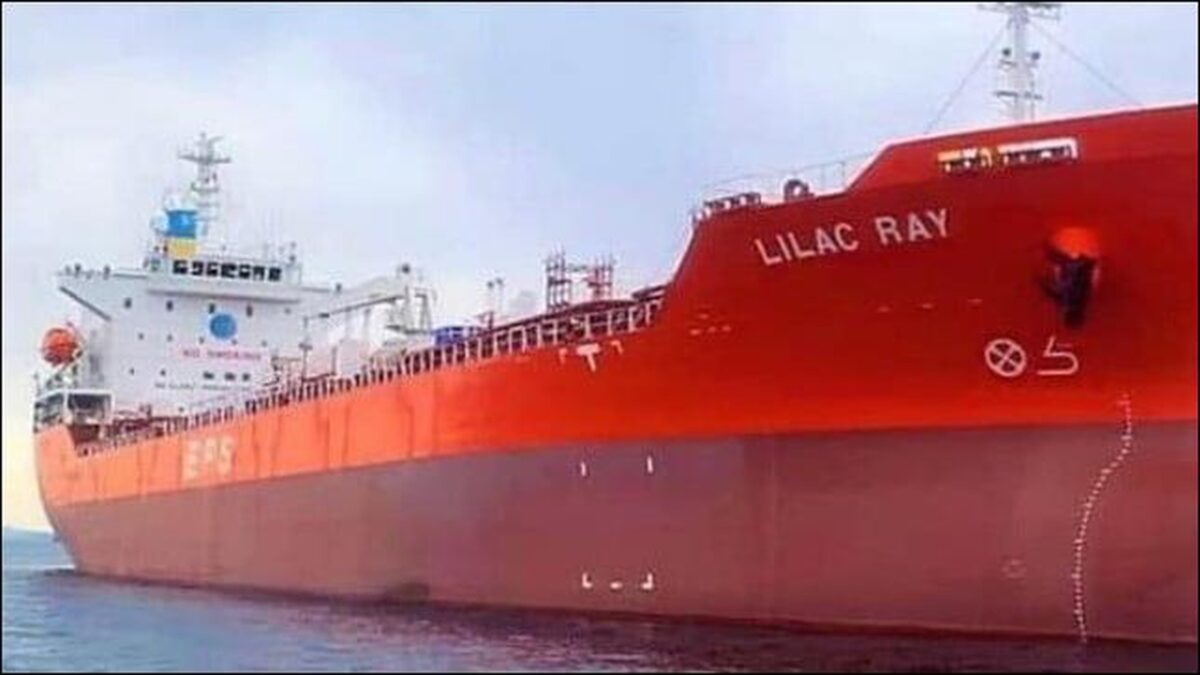
Eastern Pacific Shipping Exits Chemical Tanker Segment | Mariner News
Eastern Pacific Shipping (EPS), a global leader in the maritime industry, has officially announced its strategic exit from the chemical tanker segment. This significant move, executed through a comprehensive en-bloc transaction with industry peers Ace Tankers and Womar Tankers, marks a pivotal moment in the company’s ongoing fleet portfolio alignment and long-term growth strategy. The transaction, which is poised for completion this week, subject to customary closing conditions, underscores EPS’s commitment to optimizing its extensive vessel holdings and concentrating resources on core business operations and emerging opportunities within the dynamic shipping landscape. This bold decision by Eastern Pacific Shipping reflects a meticulous evaluation of market conditions and a forward-thinking approach to sustainable maritime investments, ensuring the company remains agile and competitive in a constantly evolving global trade environment. This development is not merely a divestment; it’s a reorientation that positions EPS for future success and innovation across other key shipping verticals.
The Strategic Rationale Behind EPS’s Major Fleet Divestment
Eastern Pacific Shipping’s decision to exit the chemical tanker segment is deeply rooted in a strategic desire to refine its operational focus and reallocate capital towards areas promising higher growth potential and greater synergy with its core competencies. The company has long been celebrated for its diverse and technologically advanced fleet, and this move represents a calculated effort to further optimize its asset base. By divesting from its chemical tanker fleet, EPS aims to streamline its extensive portfolio, enabling a more concentrated investment in segments where it foresees stronger returns and alignment with its overarching vision for the future of shipping. This strategic realignment is a testament to the proactive management philosophy at EPS, which continuously seeks to adapt and evolve its business model in response to global economic shifts, regulatory changes, and technological advancements within the maritime sector. The focus intensifies on innovative and sustainable shipping solutions, reinforcing EPS’s position as a forward-thinking maritime conglomerate.
This deliberate shift allows Eastern Pacific Shipping to channel its considerable resources – both financial and human – into segments that are better positioned for expansion and where the company can leverage its expertise most effectively. In an industry characterized by its cyclical nature and intense competition, such strategic divestments are crucial for maintaining long-term financial health and operational efficiency. The move away from chemical tankers frees up capital and management attention, which can now be directed towards pioneering projects and fleet expansions in other lucrative areas of the maritime industry, including potentially greener technologies and larger vessel classes that align with global trade patterns. This strategic pivot highlights the company’s adaptability and commitment to maintaining a competitive edge in the complex world of global shipping. By optimizing its fleet composition, EPS is not merely reacting to market forces but actively shaping its future trajectory.
Details of the Landmark Chemical Tanker Transaction
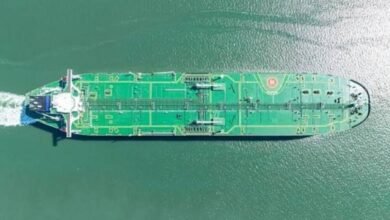
The transaction details reveal that Eastern Pacific Shipping’s existing chemical tanker fleet, which comprised 14 vessels – including three state-of-the-art newbuildings – will transition to new ownership. These vessels, ranging from 19,000 to 26,000 deadweight tonnage (dwt), have been commercially managed through the Ace Quantum Chemical Tanker (AQCT) pool. Under the terms of the agreement, seven of these vessels will continue under the management of AQCT, ensuring a smooth operational handover and continuity for existing charters. The remaining seven vessels, notably including the three newbuildings, will come under the experienced management of Womar Tankers. This division of assets among two reputable tanker operators, Ace Tankers and Womar Tankers, signifies a well-orchestrated transfer of operations, minimizing disruption and maximizing value for all parties involved in this significant en-bloc transaction. The vessels are also slated for renaming under their new owners, marking a complete transition of their identity and operational command within the global tanker market.
This meticulous planning in the divestment of EPS’s chemical tanker assets reflects a commitment to responsible asset management and a seamless transition for the vessels and their crews. Such comprehensive en-bloc sales are complex undertakings, requiring extensive due diligence and coordination among multiple stakeholders. The involvement of Ace Tankers and Womar Tankers, both prominent players in the specialized tanker segments, ensures that these high-value assets will continue to be operated efficiently and safely. This strategic move not only facilitates EPS’s portfolio optimization but also contributes to the broader restructuring of ownership within the chemical tanker sector, potentially influencing market dynamics and competitive landscapes. The sale of these modern vessels, particularly the newbuildings, underscores the quality of assets EPS maintains and its ability to execute high-value maritime deals effectively.
Eastern Pacific Shipping’s Future Fleet Strategy and Growth Opportunities
With the strategic exit from chemical tankers now underway, Eastern Pacific Shipping is poised to intensify its focus on its robust orderbook, which currently boasts more than 150 vessels across a multitude of shipping segments. This impressive pipeline of new vessels underscores EPS’s ambitious growth trajectory and its commitment to a diversified and modern fleet. The company’s future investment strategy is expected to pivot towards segments such as container shipping, dry bulk, LNG carriers, and potentially larger crude oil tankers, where global trade demand and technological advancements present significant opportunities. EPS has demonstrated a strong commitment to environmental sustainability, investing heavily in alternative fuels and eco-friendly vessel designs. This commitment is likely to be a cornerstone of its expanded operations, ensuring that its future fleet not only meets but exceeds evolving international environmental regulations.
By reallocating capital and strategic attention from the chemical tanker sector, EPS can accelerate its initiatives in decarbonization, digitalization, and operational efficiency across its remaining and expanding fleet. This forward-looking approach positions Eastern Pacific Shipping at the forefront of maritime innovation, embracing new technologies and operational methodologies to enhance performance and reduce its carbon footprint. The company’s extensive orderbook includes vessels powered by cleaner fuels, reflecting a proactive stance on climate change and a dedication to leading the industry towards a more sustainable future. This strategic recalibration allows EPS to concentrate its formidable resources on building a resilient, adaptable, and environmentally responsible fleet that is well-equipped to navigate the complexities of future global trade and logistics. The expansion across diverse segments, coupled with a strong emphasis on sustainability, reinforces EPS’s position as a dynamic and influential force in the global maritime industry.
Broader Implications for the Global Tanker Market
The strategic exit from the chemical tanker segment by a major player like Eastern Pacific Shipping inevitably sends ripples throughout the global tanker market. This transaction could lead to a minor but noticeable shift in the competitive landscape of the chemical tanker sector, with Ace Tankers and Womar Tankers solidifying their positions. For other operators within the chemical tanker space, EPS’s departure might open up new opportunities for market share or could signal a broader industry trend towards consolidation or specialization. The sale of 14 modern vessels, including newbuildings, to two established operators ensures that these assets will continue to serve the market, potentially bolstering their combined capacity and service offerings. This kind of significant fleet realignment by a prominent shipping company often prompts others to reassess their own portfolios and strategic direction, fostering a dynamic environment of adaptation and competition within the maritime industry.
Furthermore, the long-term implications extend beyond immediate market share adjustments. Eastern Pacific Shipping’s move highlights the increasing importance of strategic focus and asset optimization in a capital-intensive industry. As global trade patterns evolve and environmental regulations tighten, shipping companies are under immense pressure to operate leaner, greener, and more efficiently. This transaction serves as a case study for how major shipping groups are actively managing their assets to align with long-term strategic goals and respond to market demands. The chemical tanker market, which transports a wide array of specialized liquid bulk cargoes, remains a critical component of global supply chains. EPS’s decision, while strategic for its own growth, will be keenly watched by analysts and competitors for insights into broader market trends and the future direction of tanker operations and investments. This significant vessel sale underscores the continuous evolution of maritime commerce and the proactive strategies employed by leading companies to maintain their competitive edge. The impact on charter rates, vessel valuations, and overall market sentiment within the chemical tanker segment will be closely monitored as the industry adjusts to this major development.
In conclusion, Eastern Pacific Shipping’s strategic exit from the chemical tanker segment is a landmark decision that underscores the company’s agile and forward-thinking approach to fleet management and long-term business strategy. By divesting these assets through a well-executed en-bloc transaction with Ace Tankers and Womar Tankers, EPS is not merely reducing its footprint but actively reorienting its vast resources towards core growth segments and future opportunities. This move enhances the company’s ability to invest in sustainable technologies and expand its formidable orderbook across other vital shipping sectors. This strategic realignment is a clear indication of Eastern Pacific Shipping’s unwavering commitment to maintaining its leadership position in the global maritime industry, driven by innovation, efficiency, and a sustainable vision for the future of shipping. The ripples of this decision will undoubtedly be felt throughout the tanker market, signaling a continuous evolution in maritime commerce.