Klaipeda’s Green Hydrogen Waste Ship Starts Operations | Mariner News
The Port of Klaipeda, a vital maritime hub in Lithuania, has officially inaugurated a groundbreaking era in environmental stewardship with the launch of its innovative hydrogen-fuelled waste collection ship, Rasa. This pioneering vessel, which recently commenced operations, represents a monumental leap forward for sustainable port services and positions Klaipeda at the forefront of global efforts to decarbonize the shipping industry. As the world’s first green hydrogen-powered ship specifically designed for collecting bilge water, sludge, and other operational waste from visiting vessels, Rasa embodies a substantial €12 million investment in a cleaner, greener future for the Baltic Sea and beyond. Its introduction underscores the port’s unwavering commitment to ecological responsibility and technological advancement, setting a new benchmark for zero-emission maritime operations.
This momentous occasion is not merely about a new ship; it signifies a profound paradigm shift in how ports manage their environmental footprint and contribute to a healthier marine ecosystem. The Rasa is more than just a functional vessel; it is a symbol of innovation, demonstrating that cutting-edge technology and environmental consciousness can seamlessly integrate into daily port activities. This development is particularly crucial for the Baltic Sea, a sensitive semi-enclosed body of water that faces significant environmental pressures. By deploying such a sophisticated and eco-friendly solution, Klaipeda is actively working to mitigate pollution and preserve the rich biodiversity of its surrounding waters, reinforcing its role as a leader in marine sustainability.
A New Era for Maritime Sustainability with Green Hydrogen
The Rasa vessel is an engineering marvel, boasting a dual-power propulsion system that utilizes both green hydrogen and advanced battery power. This hybrid configuration allows the 42-meter vessel to operate with minimal environmental impact, producing zero tailpipe emissions during its waste collection rounds. Green hydrogen, produced through electrolysis powered by renewable energy sources, is at the heart of this system, ensuring that the entire operational cycle, from fuel production to consumption, is environmentally benign. This commitment to ‘green’ energy distinguishes Rasa from conventional waste collection ships that typically rely on fossil fuels, which contribute to greenhouse gas emissions and air pollution.
Designed to collect critical waste streams such as bilge water, sludge, and various other pollutants generated by ships, Rasa plays a crucial role in preventing marine contamination. Historically, the disposal of such waste has posed significant challenges, but with Rasa, Klaipeda Port is providing a state-of-the-art solution that aligns with the strictest environmental regulations. The vessel’s ability to efficiently and cleanly collect these materials directly contributes to cleaner port waters and a healthier Baltic Sea, demonstrating a tangible commitment to marine environmental protection. Its operational efficiency, combined with its eco-friendly design, makes Rasa a blueprint for future sustainable shipping solutions globally.
Klaipeda’s Strategic Investment in Eco-Friendly Port Operations
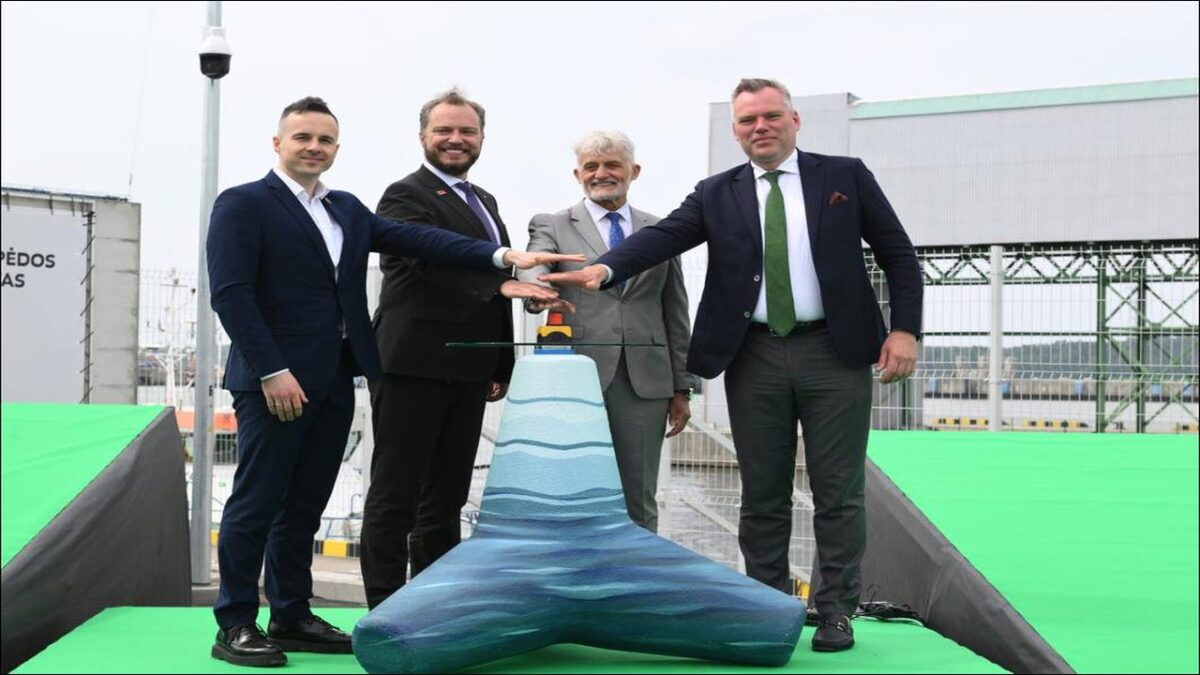
The launch of the Klaipeda hydrogen-fuelled waste collection ship, Rasa, is a testament to the Port of Klaipeda’s ambitious strategic vision for a sustainable future. The €12 million investment in this vessel reflects a profound belief in the power of green technology to transform port operations. Algis Latakas, Director General of the Klaipėda Port Authority, eloquently summarized this vision, stating, “Rasa represents a significant shift in shipping, an investment in a cleaner future and a new approach to port operations, where cutting-edge technologies and environmental responsibility become part of everyday activities.” This sentiment encapsulates the port’s commitment to integrating advanced sustainable practices into its core business model.
Complementing the Rasa’s deployment, the Port of Klaipeda also recently inaugurated its first green hydrogen production and refuelling facility. This facility, capable of producing approximately 127 metric tons of green hydrogen annually, is a critical component of the port’s integrated sustainability strategy. A significant portion of this domestically produced green hydrogen will be dedicated to powering the Rasa, creating a localized, closed-loop supply chain that enhances energy independence and further minimizes the carbon footprint. This synergistic approach – combining a renewable fuel source with an innovative vessel – positions Klaipeda as a pioneering hub for hydrogen-powered maritime solutions, offering a scalable model for other ports worldwide looking to decarbonize their operations.
Technical Innovation Driving Zero-Emission Maritime Waste Management
The construction of the 42-meter Rasa vessel was a collaborative effort, involving the expertise of both Lithuanian and Estonian shipbuilders, highlighting regional cooperation in advancing green maritime technology. At the heart of Rasa’s advanced propulsion system lies the sophisticated hydrogen power system, including state-of-the-art fuel cells and high-capacity storage tanks, supplied by Genevos. Genevos, a leader in hydrogen fuel cell solutions for maritime applications, provided the critical components that enable Rasa to convert hydrogen into electricity with remarkable efficiency, powering its operations quietly and cleanly.
This integration of advanced fuel cell technology with a robust battery system ensures not only zero emissions but also operational reliability and flexibility. The hybrid design allows for optimal energy management, enabling the vessel to switch seamlessly between hydrogen and battery power based on operational demands. This technical prowess positions Rasa as an exemplar of modern shipbuilding, showcasing how innovation in design and engineering can lead to significant environmental benefits without compromising operational effectiveness. The success of Rasa’s hydrogen power system provides a crucial real-world case study for the broader adoption of fuel cell technology in the marine sector, addressing challenges related to energy density and safe storage of hydrogen on board vessels.
Pioneering the Decarbonization of Port Services and Shipping
The launch of Klaipeda’s hydrogen-fuelled waste collection ship transcends local significance, offering a powerful blueprint for the decarbonization of port services and the wider shipping industry. As global maritime regulations tighten and the demand for eco-friendly solutions intensifies, Klaipeda’s initiative provides tangible proof that zero-emission port operations are not only feasible but also economically viable and environmentally imperative. This move is in perfect alignment with international climate goals, including those set by the International Maritime Organization (IMO) for reducing greenhouse gas emissions from shipping, and the European Union’s ambitious Green Deal.
By demonstrating the practical application of green hydrogen in a working maritime vessel, Klaipeda is effectively de-risking the adoption of this technology for other stakeholders in the shipping value chain. It encourages shipowners, port authorities, and technology developers to accelerate their investments in alternative fuels and sustainable infrastructure. The operational success of Rasa creates a virtuous cycle, stimulating further research and development into hydrogen propulsion systems, enhancing supply chain logistics for green hydrogen, and ultimately accelerating the transition away from fossil fuels in the maritime sector. This ripple effect has the potential to transform numerous aspects of marine operations, from cargo vessels to passenger ferries, ushering in a new era of cleaner, more sustainable shipping across the globe.
Shaping the Future of the Baltic Sea Ecosystem
Beyond its technological prowess and economic implications, the Rasa vessel holds profound significance for the ecological health of the Baltic Sea. The Baltic Sea is recognized as one of the most environmentally sensitive marine areas in the world, facing complex challenges from nutrient run-off, hazardous substances, and marine litter. The introduction of a zero-emission waste collection vessel directly addresses these concerns by preventing further pollution and actively cleaning up existing waste from ship operations. By using green hydrogen, Rasa ensures that its own operations do not contribute to the very problems it is designed to solve, providing a holistic environmental solution.
Klaipeda Port’s commitment to protecting the marine environment extends beyond mere compliance; it embodies a proactive stewardship of its natural resources. The ability to collect bilge water and sludge with an environmentally friendly vessel ensures that these potentially harmful substances are safely removed from the marine environment and properly disposed of on land. This preventative approach is critical for preserving marine biodiversity, maintaining water quality, and supporting the livelihoods of coastal communities. The Rasa serves as a beacon of hope for environmental regeneration in the Baltic Sea, inspiring other regional ports and maritime stakeholders to adopt equally stringent and innovative measures for ecological preservation. It signifies a clear shift towards operational practices that prioritize the long-term health and sustainability of precious marine ecosystems.
The launch of the Klaipeda hydrogen-fuelled waste collection ship, Rasa, marks an undeniable turning point for maritime sustainability. As the world’s first vessel of its kind powered by green hydrogen and batteries, Rasa is not merely a piece of equipment but a powerful statement of intent from the Port of Klaipeda. It underscores a visionary leadership in embracing cutting-edge green technology to address pressing environmental challenges within the shipping industry. This landmark achievement solidifies Klaipeda’s position as a trailblazer in green port operations and demonstrates a scalable, effective pathway toward a decarbonized future for global shipping. The Rasa stands as a testament to innovation, collaboration, and an unwavering commitment to a cleaner, healthier planet for generations to come.