East London Port to Gain LNG Import Terminal | Mariner News
Transnet National Ports Authority (TNPA) is moving forward with plans to construct a liquefied natural gas (LNG) import terminal at South Africa’s East London port. The initiative aims to significantly enhance the port’s competitiveness and diversify its cargo handling capabilities.
The state-owned port operator has launched a tender seeking a private entity to invest in a small- to medium-scale LNG terminal. Under a 25-year concession agreement, the selected operator will be responsible for the design, financing, development, construction, operation, maintenance, and eventual transfer of the facility to TNPA upon expiry of the term.
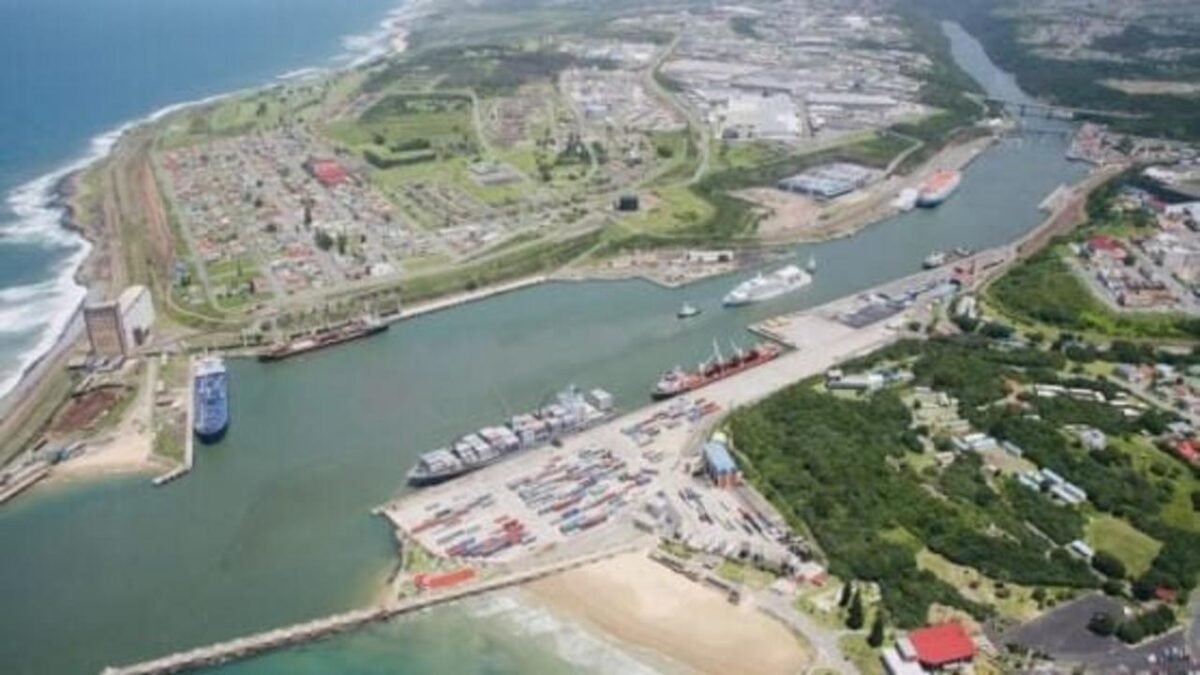
Located at the mouth of the Buffalo River, the Port of East London is unique as South Africa’s only commercial river port. Its primary business has historically been supporting the regional automotive manufacturing sector as a main export hub. Last year, TNPA completed a $3.6 million project to deepen and strengthen the automotive terminal, increasing its capacity to handle 790,000 units annually and accommodate two new-generation automotive vessels simultaneously.
Beyond its automotive focus, the port handles diversified cargo including containers, bulk liquids, dry bulk grains, and general breakbulk. Current investments are targeting an increase in container handling capacity from approximately 30,000 TEU to over 100,000 TEU.
The development of an LNG terminal, alongside these other capacity enhancements, signals a strategic shift for TNPA. The reliance on a 25-year private concession for the terminal’s lifecycle, from financing to operation before state transfer, underscores a model of leveraging private capital and expertise for significant infrastructure development. This approach could attract new vessel calls and trade routes, positioning East London as a more versatile multi-modal logistics hub rather than one primarily specialized in vehicle exports.
The terminal will facilitate the receipt and dispatch of LNG via vessels, pipelines, and tankers, suggesting a focus on regional energy supply and industrial demand. This small- to medium-scale approach, coupled with a broader ambition for container and automotive growth, indicates Transnet’s concerted effort to de-risk East London’s operations by diversifying revenue streams and reducing dependency on a single sector.