Strait of Hormuz Vessel Transits Fall to Single Digits | Mariner News
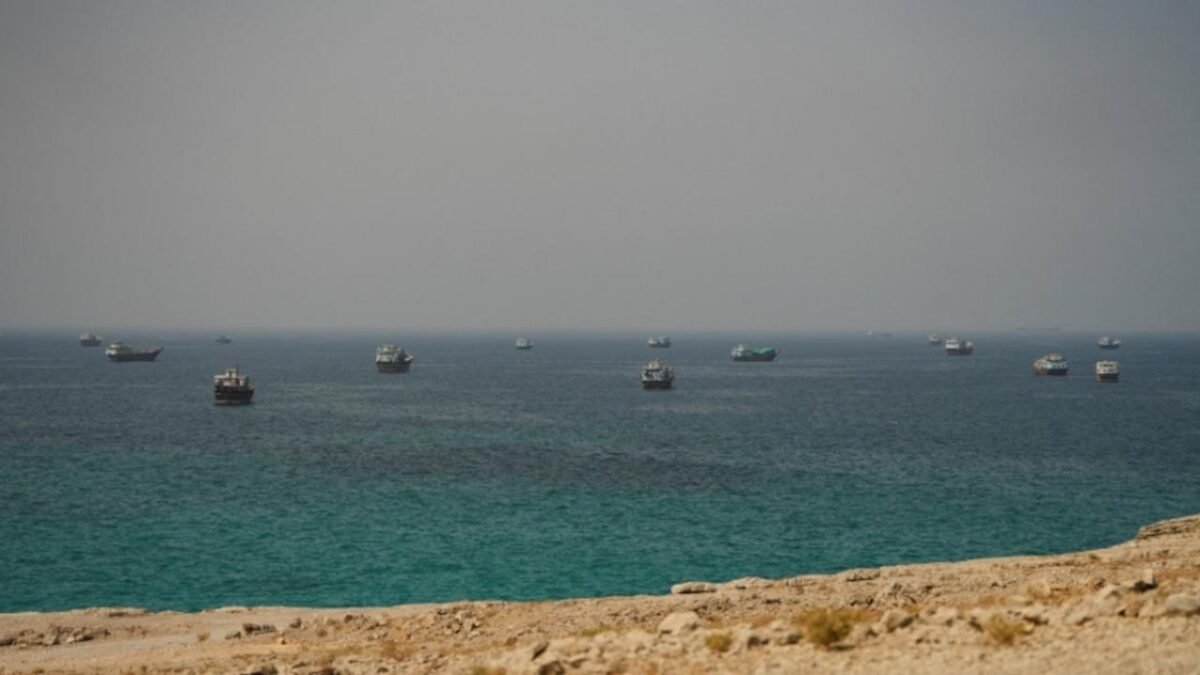
Commodity vessel transits through the Strait of Hormuz plummeted to single digits per day over the weekend, a significant drop well below the 10-day average of 14, according to preliminary shiptracking data reported by Reuters. This sharp decline signals immediate operational and commercial disruption in the critical chokepoint, exacerbating regional instability for maritime trade.
The dramatic reduction in traffic comes amidst concurrent security challenges. Saudi Arabia’s East-West pipeline, a vital bypass route for Gulf crude, was temporarily shut down following a drone attack. Furthermore, the UKMTO reported a vessel being struck by an unknown projectile within the strait early Sunday.
The weekend saw only four vessels exit the Gulf via the strait, including a Handysize in ballast, a Handy carrying LPG, a Supramax laden with fertiliser, and a Suezmax carrying crude or condensate. Ten vessels entered the Gulf, among them a mini-bulker with minor bulk commodities, a Handymax transporting grain, a Panamax carrying metals, and a Supramax with dry bulk cargo.
This reduced transit volume presents immediate challenges for regional bunker suppliers, as fewer vessel movements translate directly into diminished near-term bunkering opportunities. The closure of the Saudi pipeline simultaneously removes a key alternative route, increasing reliance on the strait for critical commodity flows or forcing lengthier diversions.
Historically, prior to February 28, a date associated with the start of a war between the US, Israel, and Iran as referenced by the source, the Strait of Hormuz typically handled approximately 125 large commercial vessels daily. The current single-digit figures highlight a profound shift in maritime activity and risk perception across a diverse range of commodity segments.