Ground Effect Transport Faces Open Ocean Stability | Mariner News
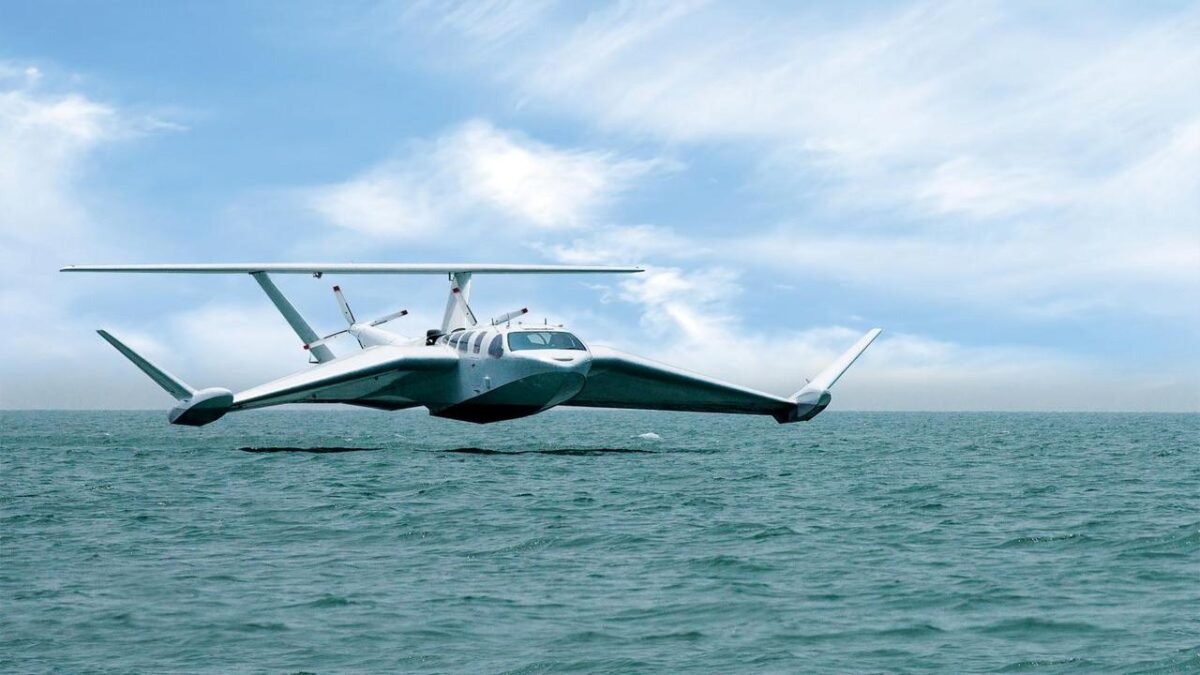
The commercial future of ground effect transport, touted for its economic and operational benefits in short-haul coastal routes, hinges on its proven ability to navigate open ocean swells and waves safely and stably. While these novel craft are classified as vessels for regulatory purposes, overcoming environmental dynamics is identified as the paramount challenge for their wider deployment.
This classification presents a significant implication for adoption: operators of existing maritime vessels can easily adapt to operating ground effect vehicles, potentially streamlining crew training and regulatory frameworks. Early tests involving European and Russian built ground effect vehicles demonstrated notable energy efficiency, consuming 25 to 33 percent less energy than an equivalent payload airplane, and highlighted their potential to alleviate overcrowding at coastal airports.
However, these demonstrations were conducted over inland bodies of water with minimal wave conditions. A pilot of large commercial jet planes has raised concerns about the stability and smooth ride required for ground effect vehicles when transiting uneven surfaces such as ocean swells and waves.
Operational success demands a ride quality comparable to hydrofoils, which are well-proven for their ability to provide smooth and stable passage through choppy water, waves, and swells by elevating their hulls above the surface. Ground effect wings must achieve a similar outcome to be viable in open sea conditions.
Addressing the complex dynamics of sustained flight above uneven water surfaces remains the defining technical and operational hurdle to unlocking the promised efficiency and market opportunities for commercial ground effect transport.